 EN
EN
MS01-09-Metal stamping small lotus leaf
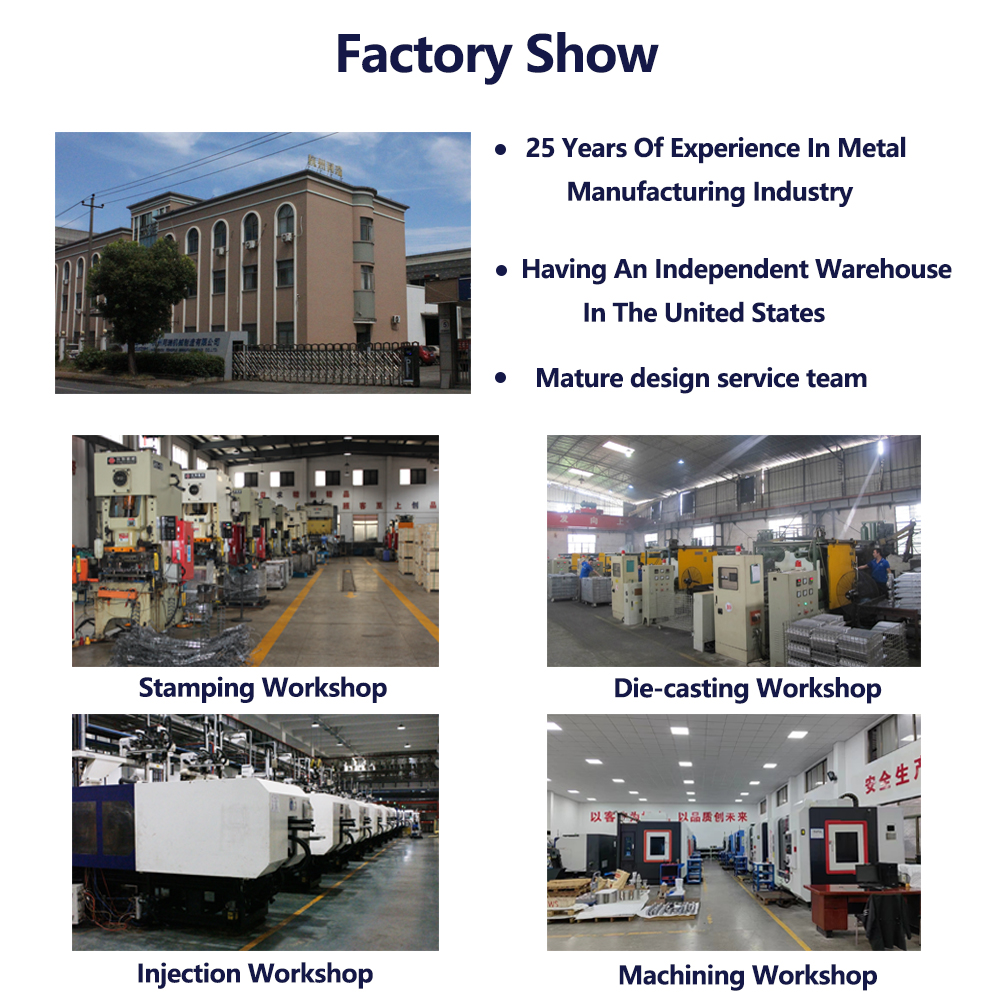
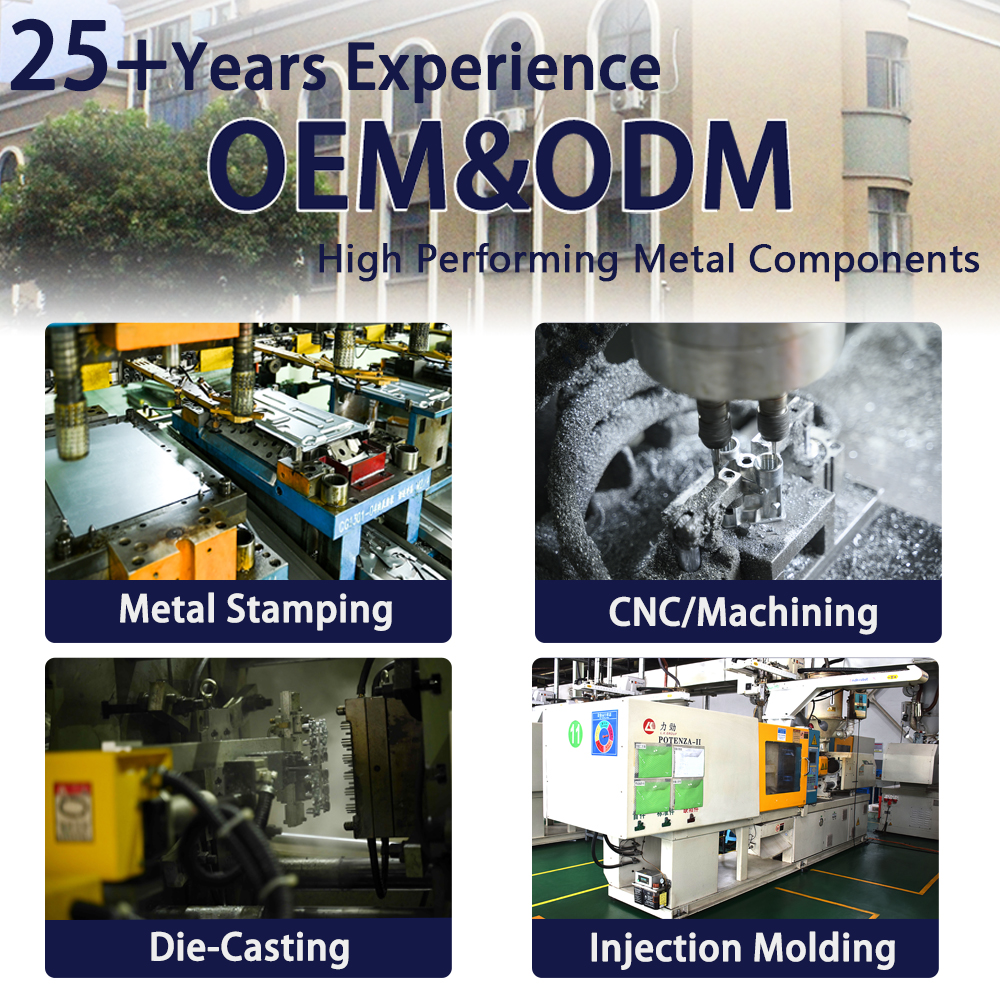
We specialize in the manufacturing of precision metal parts, with a professional design and production team dedicated to providing customers with high-quality, highly consistent metal component solutions. Leveraging advanced progressive stamping die technology, metal drawing processes, and fully automated production lines, we offer one-stop services from design support to mass delivery. Our products are widely used in white goods, automotive parts, and other industrial sectors.
- Overview
- Recommended Products
-
Materials: Primarily utilizes 304 stainless steel (0.8–1.5mm thickness) for its excellent corrosion resistance, sterility, and formability—ideal for the part’s intricate pivot mechanism and flat mounting flanges. Optional materials include 316L stainless steel (for marine or chemical-resistant environments) or 6061 aluminum alloy (for lightweight consumer electronics). All materials undergo tensile testing (≥515 MPa for 304 stainless steel) and corrosion resistance verification (48-hour salt spray testing for stainless steel variants).
-
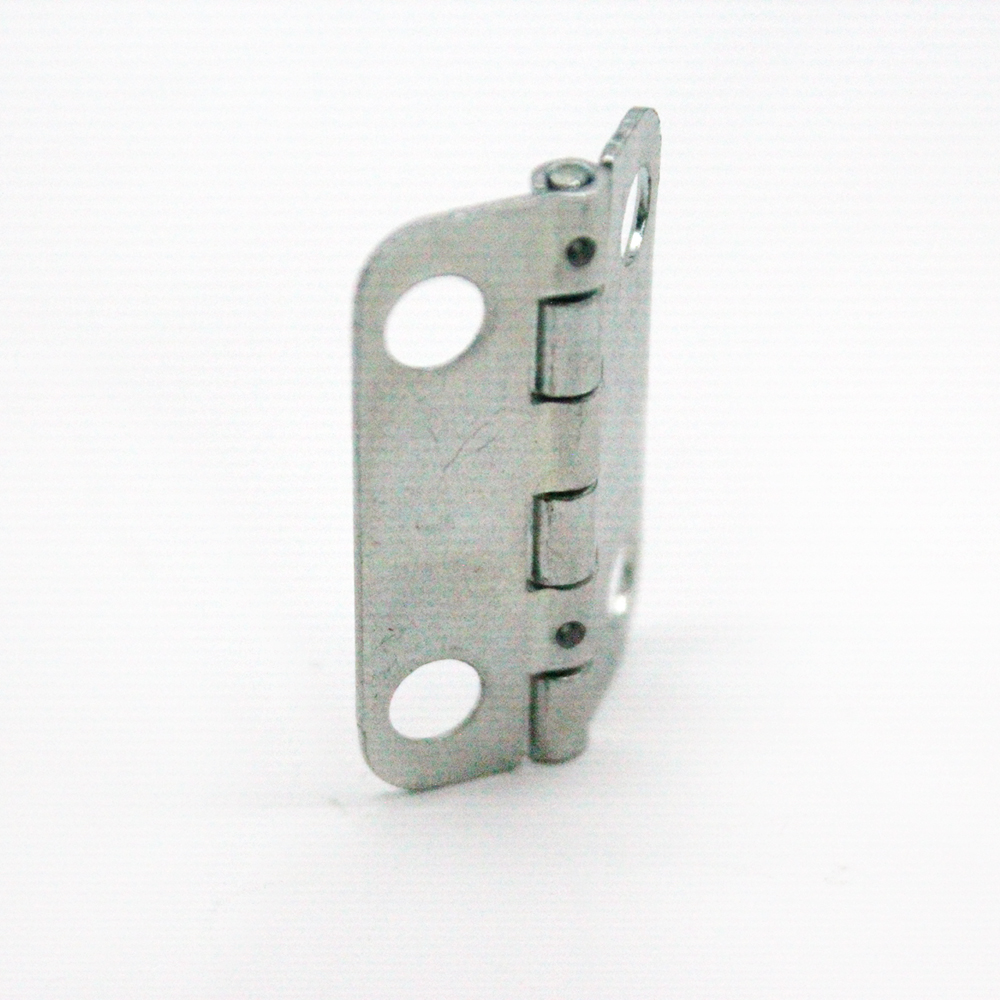
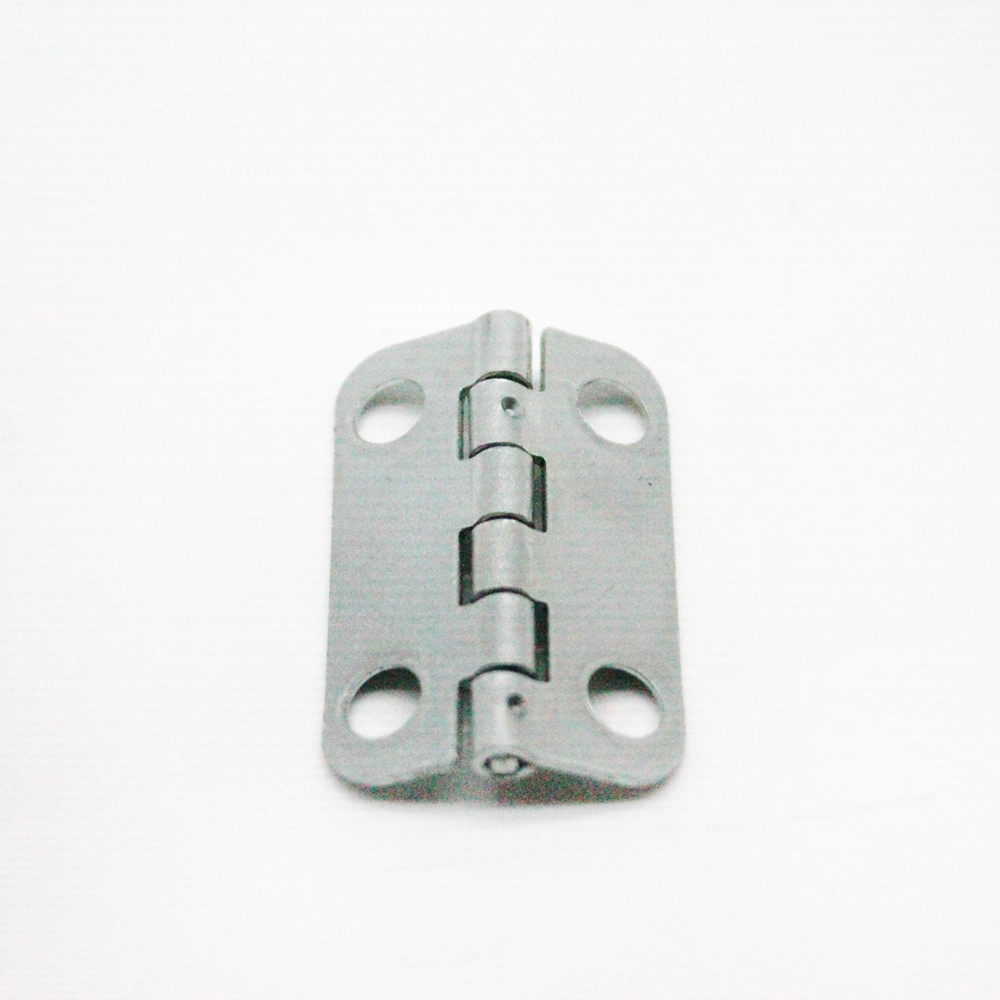
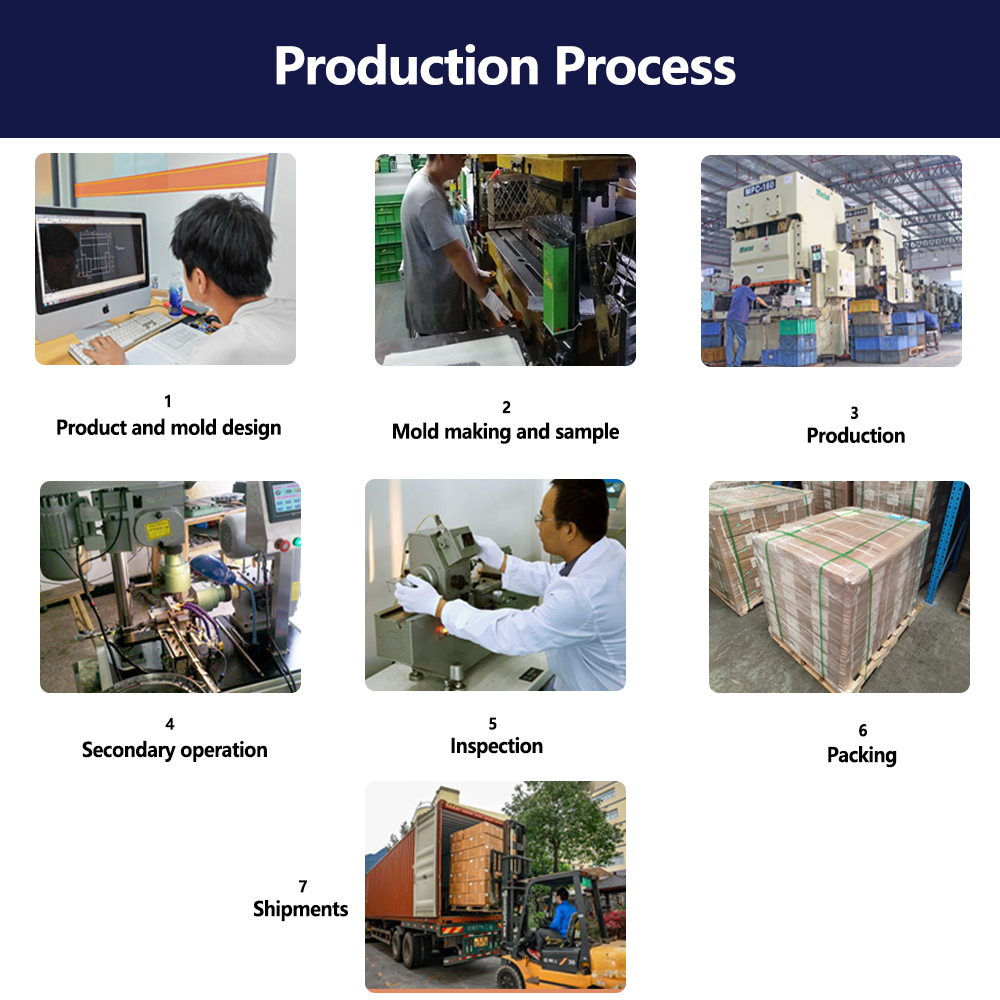
Production Process: Relies on micro-progressive stamping dies (10–14 stations) to achieve the part’s miniature geometry—including the precision pivot pins and mounting holes visible in the image. The stamping process operates at 150+ strokes per minute, with in-line optical inspection to ensure dimensional accuracy. Unlike traditional hinges, MS01-09’s production incorporates precision pivot assembly post-stamping, where pins are inserted with ±0.01mm alignment to ensure smooth rotation.
-
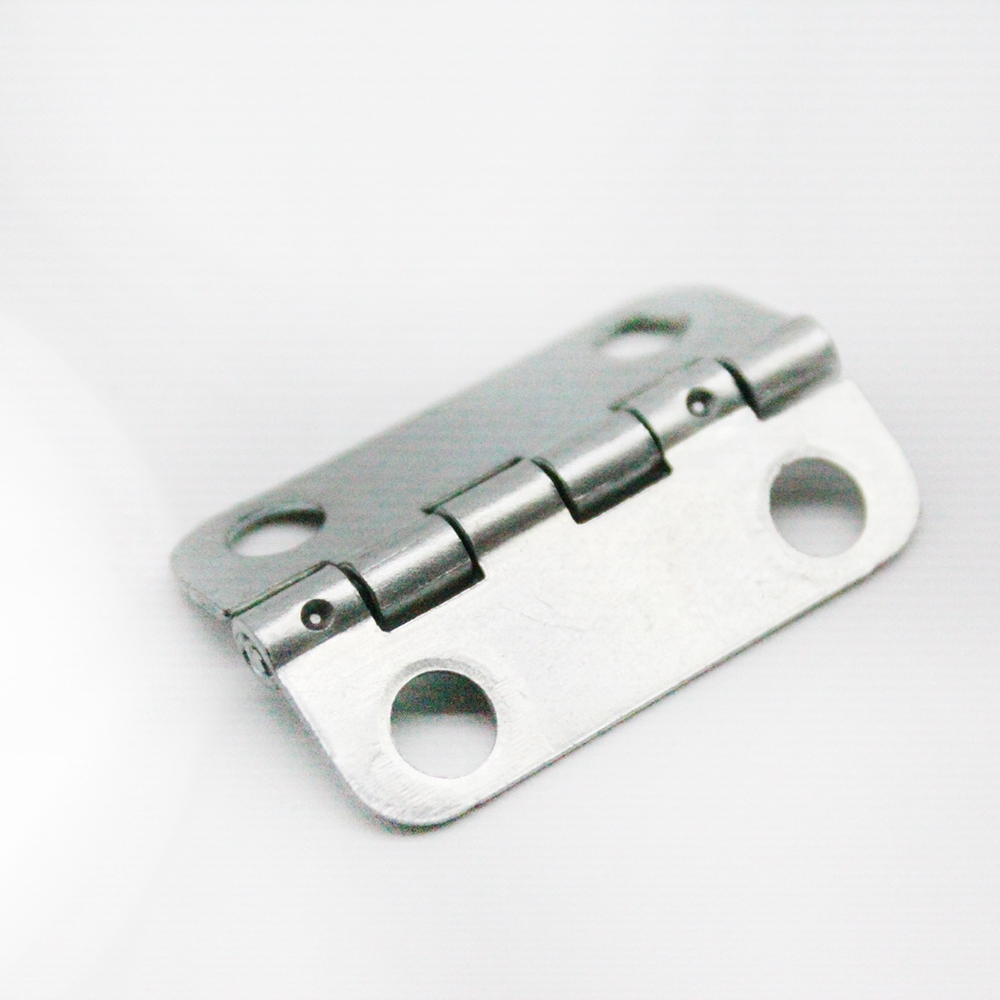
Surface Treatment: Supports passivation (for 304/316L stainless steel variants) to enhance corrosion resistance, electropolishing (for medical-grade applications requiring ultra-smooth, sterile surfaces), or bead blasting (for aesthetic consistency in consumer electronics). The image shows the natural finish of 304 stainless steel, but all surface treatments undergo 72-hour salt spray testing to ensure durability in harsh environments.
-
Mold Development Cycle: 6 weeks for standard MS01-09 molds, with expedited 3-week turnaround for modifications to hinge dimensions or pivot torque—essential for aligning with evolving product designs, such as updated medical device enclosures.
-
Sample Delivery Time: 45 days for standard samples; 30 days for modified designs using existing tooling. Samples include a torque report (measuring rotational resistance within 0.5–2.0N·m) and dimensional conformance data (verified against the image’s prototype with ±0.02mm tolerance).
-
Quality System: Compliant with IATF 16949, with specialized checks for MS01-09: each hinge undergoes 100% torque testing (ensuring smooth rotation within specified limits) and visual inspection for burrs or pivot misalignment.
-
Production Advantage: Automated stamping and assembly lines with AI-powered vision systems inspect every part for dimensional errors, pivot alignment, and surface defects—ensuring the part in the image is representative of all units produced. This automation achieves a defect rate of <0.05%, far below industry averages for miniature components.
- Minimum Order Quantity: 1,000 pieces for standard configurations; 1,500 pieces for custom material/finish combinations. Custom orders include a design-for-manufacturability review to ensure the miniature geometry (like the hinge’s pivot pins) is feasible in high-volume production.
-
Ultra-Precise Pivot Mechanism: The micro-progressive stamping and precision pivot assembly processes create the hinge’s smooth-rotating pins (seen in the image) with ±0.01mm alignment—critical for applications like medical device doors, where inconsistent torque could disrupt operation. This precision eliminates the need for secondary machining, reducing production costs by 25%.
-
Corrosion Resistance & Sterility: 304/316L stainless steel variants (as shown in the image) offer inherent corrosion resistance and sterility, making MS01-09 ideal for medical equipment (e.g., diagnostic device enclosures) and food-grade commercial appliances. Electropolished finishes meet FDA standards for biocompatibility and cleanliness.
-
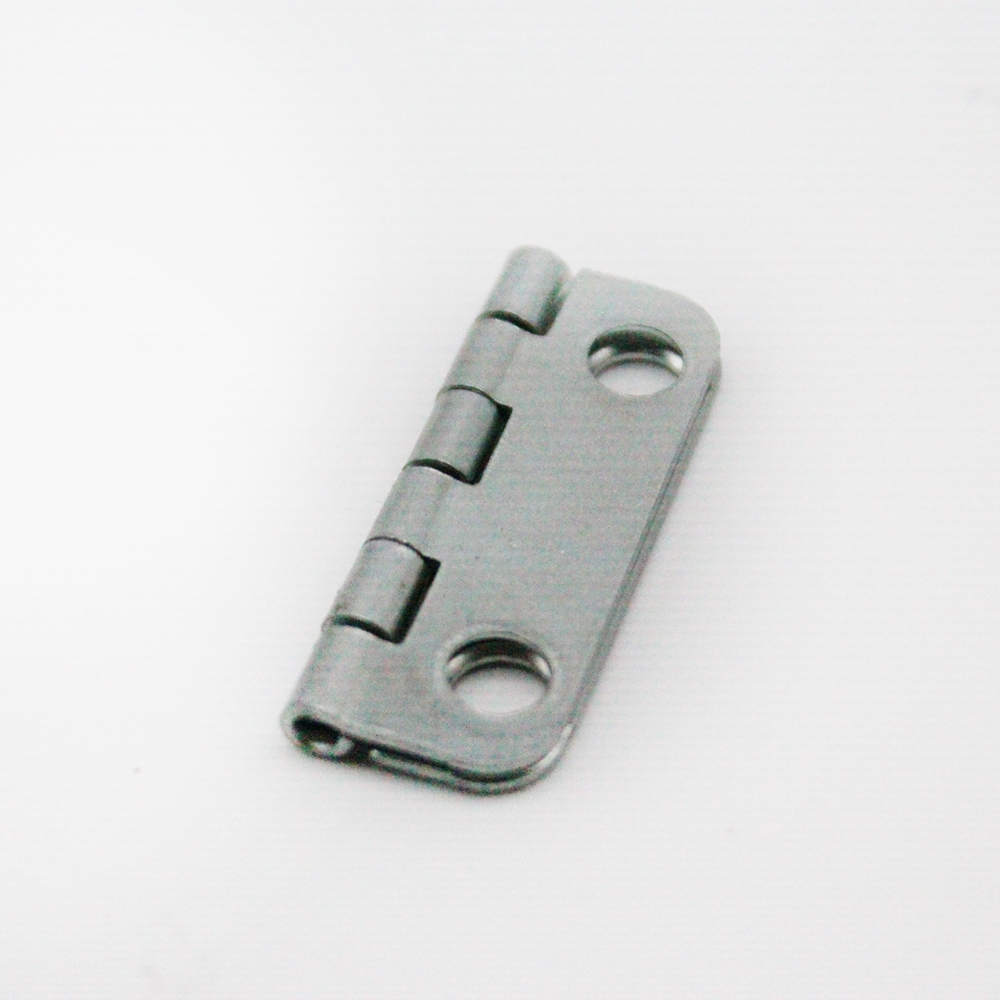
Miniaturization Without Compromise: Despite its compact size (visible in the image), MS01-09 maintains a static load capacity of up to 5kg and dynamic load capacity of 3kg—sufficient for electronics enclosures, small appliance doors, and industrial instrumentation panels. Its lightweight design (≤10g per hinge) also supports mobility-focused products like portable medical devices.
-
Rapid Design Iteration: Our mold team can modify hinge dimensions, pivot torque, or surface finishes in as little as 3 weeks—enabling clients to quickly adapt MS01-09 to new product iterations, such as slimmed-down consumer electronics or redesigned medical device components.
- Cost-Effective Scalability: High-speed micro-stamping (150+ strokes per minute) and automated assembly drive down unit costs for large orders. For volumes of 10,000+ pieces, MS01-09’s cost decreases by 20%, making it viable for both high-margin medical devices and mass-market electronics.
-
Medical Devices: Serves as enclosure hinges for diagnostic equipment (where the sterile, corrosion-resistant stainless steel meets regulatory standards) and portable medical tools (the lightweight design supports mobility). The precise pivot torque ensures smooth, consistent door operation during patient use.
-
Electronics: Used as enclosure hinges for routers, modems, and industrial control panels (where the compact size fits tight spaces, and the stainless steel resists EMI interference). Custom bead-blasted finishes align with consumer electronics branding.
-
White Goods: Deployed as miniature door hinges for espresso machine panels, smart refrigerator control modules, and microwave accessory compartments (the small form factor fits within appliance trim, and the corrosion resistance withstands kitchen moisture).
-
Industrial Sector: Applied in instrumentation access panels (where the hinge’s precision meets industrial design standards for readability and operation) and sensor enclosure doors (the stainless steel construction resists dust and chemicals in factory environments). It operates reliably in temperatures from -20°C to 100°C.
-
Other Industries: Utilized in jewelry boxes (the polished stainless steel finish adds a premium aesthetic) and custom display cases (the precise pivot allows for controlled opening angles). Its flexibility in customization, from material to finish, makes it suitable for niche luxury products.
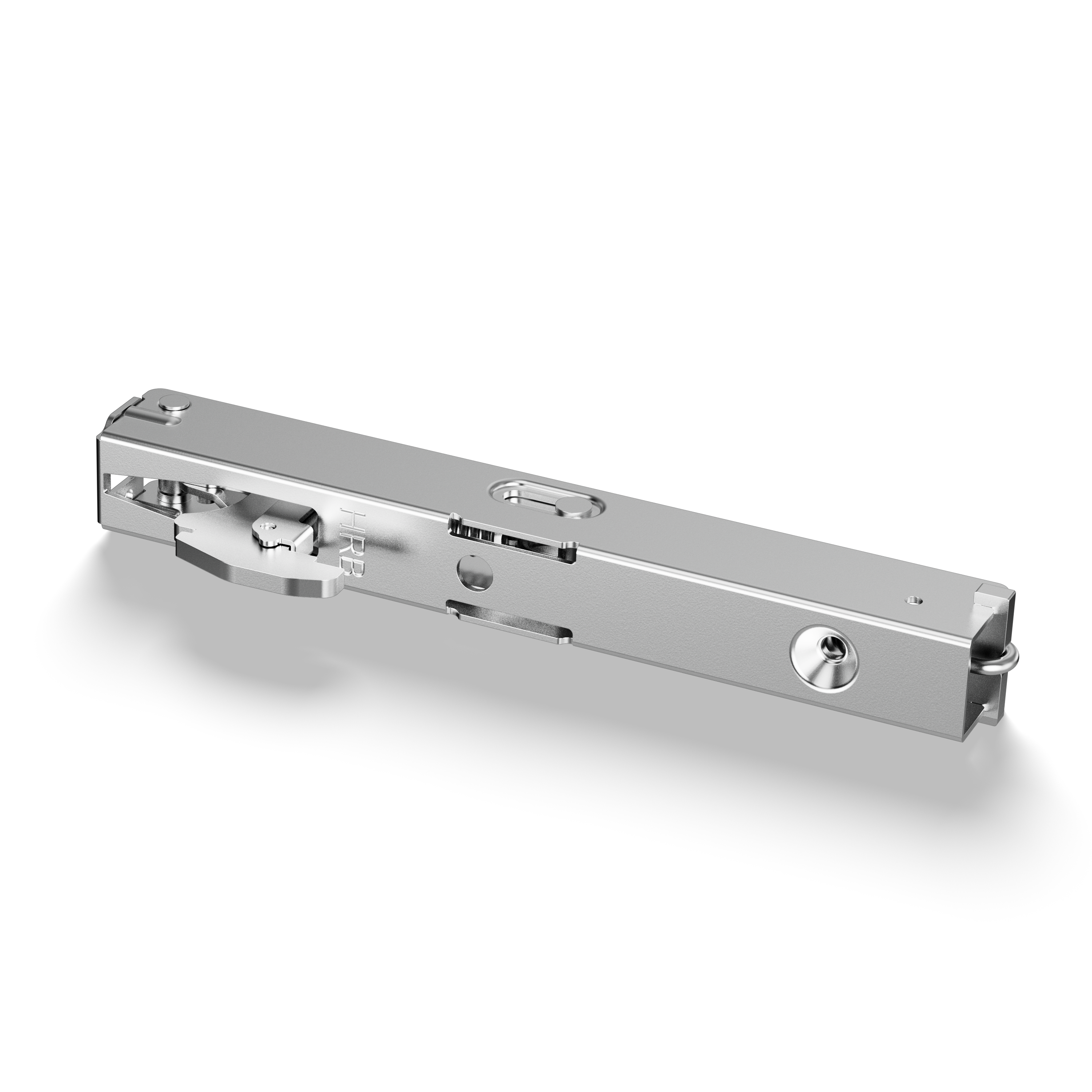
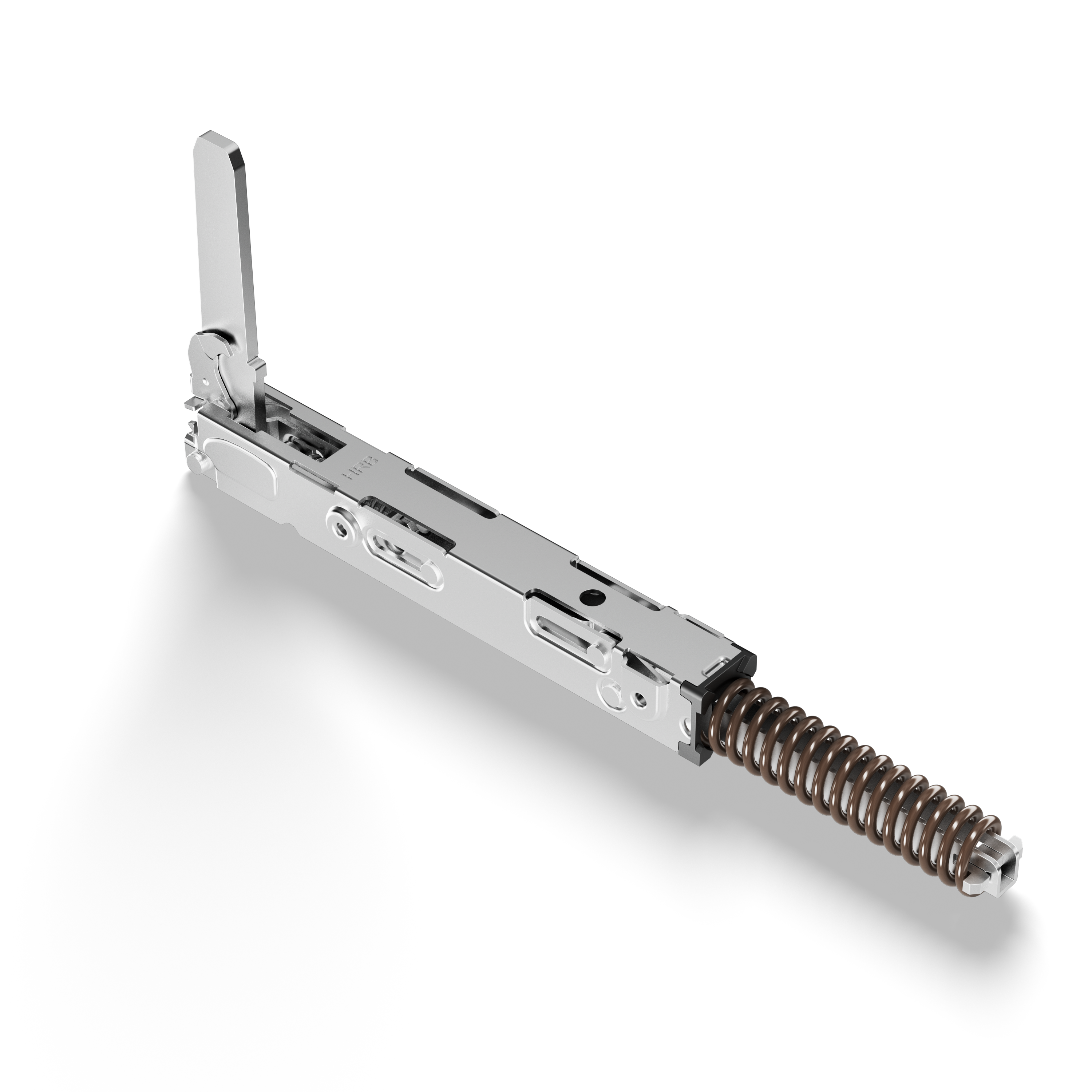
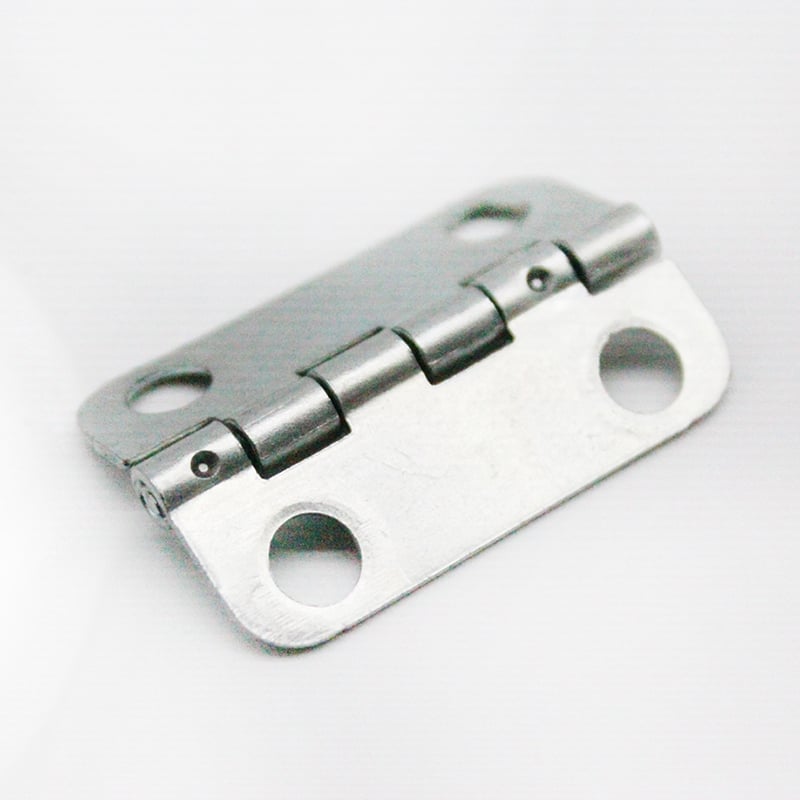
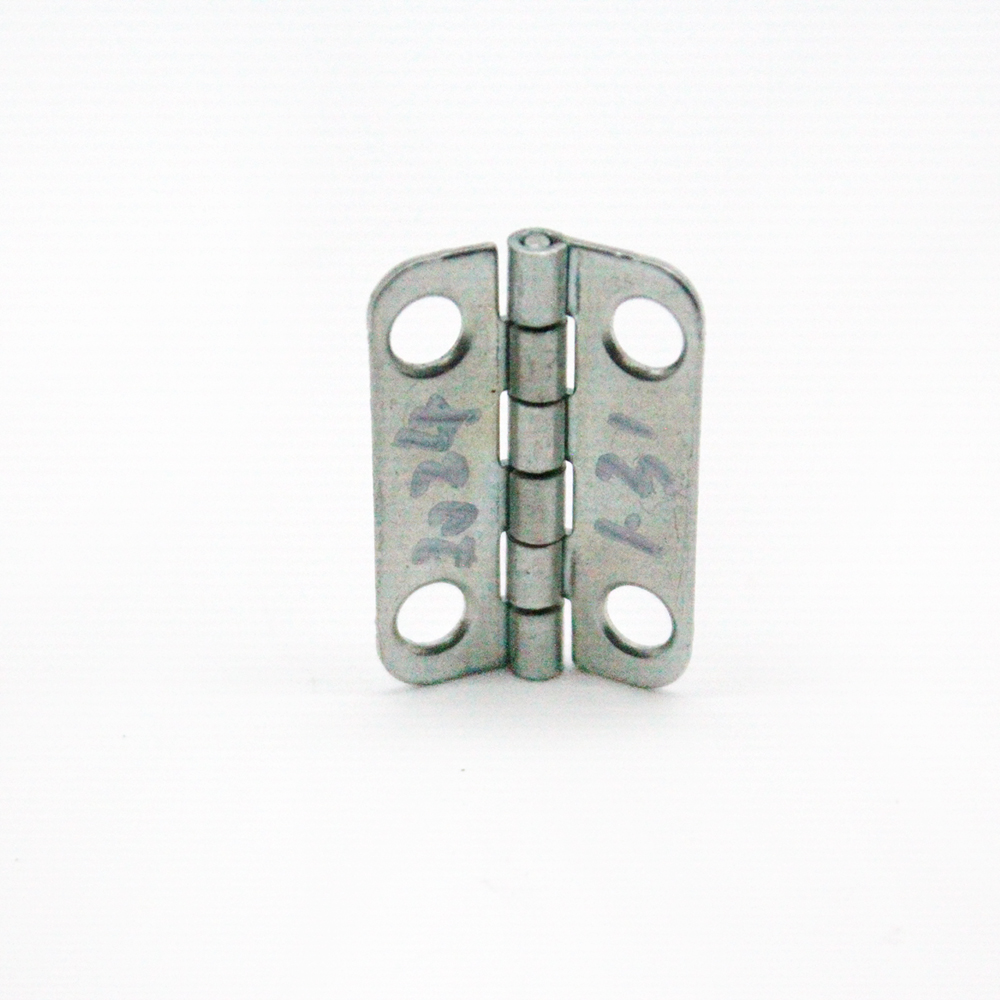
Welcome to our precision metal part solution, Model MS01-09—an exemplar of high-precision miniature hinges engineered for applications demanding smooth rotation, corrosion resistance, and structural reliability. As illustrated in the accompanying image, MS01-09 features a compact stainless steel design with precision-aligned pivot pins and reinforced mounting flanges, making it ideal for use in medical devices, electronics enclosures, and high-end white goods. Our engineering team has optimized MS01-09 to meet the stringent requirements of industries where space efficiency and durability are paramount: the hinge’s rotational torque is controlled within 0.5–2.0N·m, and the mounting holes (visible in the image) are produced with ±0.02mm tolerance—critical for seamless integration into automated assembly lines. Whether you’re a medical device manufacturer needing sterile, corrosion-resistant hinges or an electronics brand sourcing compact enclosure components, MS01-09 delivers a solution that balances miniaturization with robust performance.
Model MS01-09 is tailored for miniature hinge applications, with specifications aligned to its role as a compact, high-precision component (as seen in the image):
Model MS01-09 leverages its miniature, precision-engineered design (visualized in the image) to deliver unique advantages:
Model MS01-09’s miniature, precision design (as depicted in the image) makes it a versatile solution across sectors:
In every application, MS01-09’s miniature, precision-engineered design—exemplified by the image’s smooth pivot pins and perfectly aligned mounting holes—sets a new benchmark for parts that demand both compactness and reliability in modern manufacturing.
Q: How long does mold development and sample production take?
A: Mold development takes 6 weeks, and sample delivery is completed within 45 days, ensuring a quick response to customer needs.
Q: What production process do you use?
A: We use progressive stamping dies combined with metal drawing processes for production, ensuring high efficiency, precision, and excellent consistency, particularly suitable for parts with complex geometries.
Q: Do you meet automotive industry quality standards?
A: Yes, we are certified under the IATF 16949 Quality Management System, fully complying with automotive industry quality requirements.
Q: What are the advantages of metal drawing process?
A: The metal drawing process can produce deep thin-walled parts while maintaining uniform wall thickness and excellent surface quality, making it particularly suitable for manufacturing housings and container-type parts.
Q: What industries do your production capabilities cover?
A: We can produce not only metal parts for household appliances but also precision metal parts for automotive components, including both stamped and drawn parts.
Q: Do you support multiple surface treatment options?
A: Yes, we offer various surface treatment options including galvanization, nickel plating, painting, electrophoretic coating, and passivation to meet different application needs.
Q: Is the minimum order quantity negotiable?
A: 1,000 pieces is our standard minimum order quantity. For long-term cooperation or special requirements, we can negotiate flexibly.
Ready to enhance your oven door hinge performance? Contact us now for free technical consultation and a quote! Our engineers and sales team are here to provide professional support.
Email: [email protected]
Tel: 86-15663457251
Choose our reliable oven hinges for your equipment — built strong and precise to support every opening and closing.
Note: This product holds an EU design patent, ensuring unique and proprietary design.