
Classification: Precision Metal Parts - The Foundation of Modern Engineering
Page Introduction
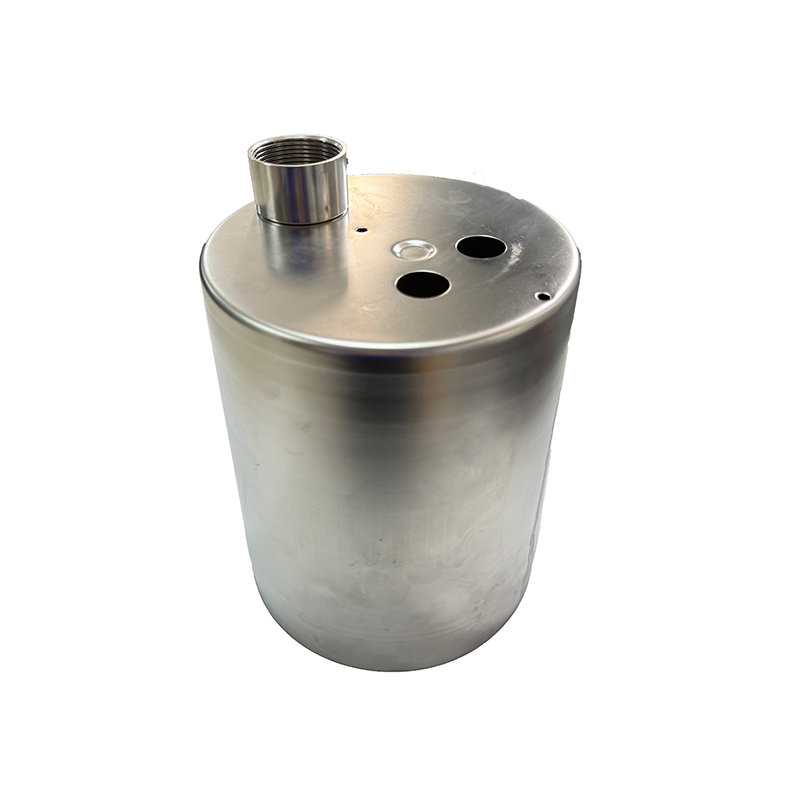
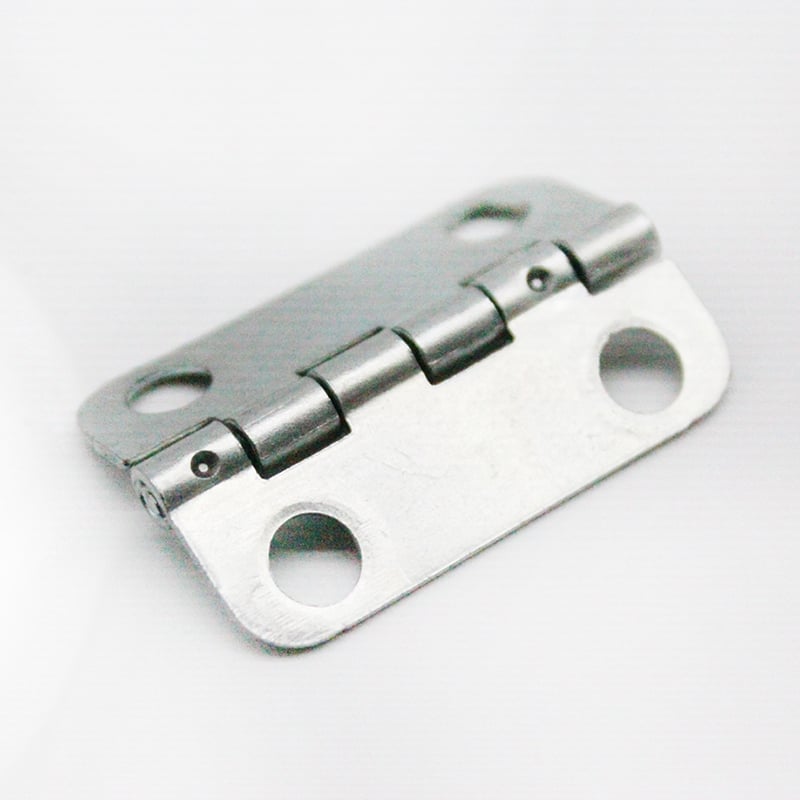
In the realm of advanced manufacturing, Precision Metal Parts represent the fundamental building blocks of innovation, reliability, and performance. These are not merely metal components; they are intricately engineered pieces fabricated to exceptionally tight tolerances, impeccable surface finishes, and exacting geometric specifications. The creation of Precision Metal Parts is a sophisticated discipline that bridges the gap between digital design and physical reality, enabling the functionality of everything from life-saving medical devices to the complex machinery that powers global industries. This classification encompasses a vast array of components—including custom brackets, surgical implants, aerospace fasteners, electronic housings, and fluidic connectors—all united by their uncompromising adherence to quality and dimensional accuracy. The manufacturing of these Precision Metal Parts leverages state-of-the-art technologies and rigorous quality control processes to ensure that every single part, from prototype to high-volume production runs, performs its intended function flawlessly under demanding conditions. As industries continue to push the boundaries of miniaturization, efficiency, and durability, the role of Precision Metal Parts becomes increasingly critical, serving as the indispensable elements that ensure the seamless operation of the modern world's most advanced technological systems.
Key Advantages of Precision Metal Parts
The widespread adoption of Precision Metal Parts across diverse sectors is driven by a compelling set of advantages that standard off-the-shelf components cannot match.
Unmatched Dimensional Accuracy and Repeatability: The primary advantage of Precision Metal Parts is their exceptional conformity to design specifications. Utilizing advanced manufacturing techniques like CNC machining and photochemical etching, these parts are produced with tolerances often within microns (±0.001 inches or tighter). This incredible accuracy ensures perfect fit, alignment, and assembly, eliminating functional issues and reducing assembly time. Furthermore, the processes are highly repeatable, guaranteeing that the ten-thousandth part is identical to the first, which is crucial for mass production and inventory management.
Superior Material Properties and Performance: Precision Metal Parts are manufactured from a wide selection of high-performance metals and alloys, each chosen for specific characteristics. This allows engineers to select the ideal material—be it stainless steel for its corrosion resistance, titanium for its high strength-to-weight ratio, aluminum for its lightweight conductivity, or specialized alloys like Inconel for extreme temperature stability. The integrity of these materials is preserved throughout the precision manufacturing process, resulting in parts that offer enhanced strength, durability, thermal conductivity, and electrical properties compared to parts made from plastics or less precisely formed metals.
Enhanced Product Reliability and Longevity: Equipment failure is often traced back to the failure of a single, substandard component. Precision Metal Parts are engineered to prevent this. Their exact dimensions, superior surface finish, and inherent material strength contribute to significantly reduced wear and tear, lower friction, and increased resistance to fatigue and stress. This directly translates into end-products with greater reliability, longer service life, and reduced downtime for maintenance and repairs, providing immense value in critical applications like aerospace, automotive, and medical devices.
Design Freedom and Complexity: Modern manufacturing methods for Precision Metal Parts empower designers with unprecedented freedom. Complex geometries, intricate internal features, micro-sized holes, and delicate contours that are impossible to achieve with conventional machining can be realized through processes like multi-axis CNC machining and metal injection molding. This allows for the consolidation of multiple parts into a single, complex Precision Metal Part, simplifying assemblies, reducing potential points of failure, and enabling groundbreaking product designs.
Excellent Surface Finish and Aesthetic Quality: Beyond mere function, Precision Metal Parts often boast exceptional surface finishes directly from the manufacturing process. Techniques like CNC turning and milling can produce fine finishes, while secondary processes like passivation, anodizing, plating, and polishing can be applied to enhance appearance, add corrosion resistance, or modify surface properties. This is vital for consumer electronics, luxury goods, and medical tools where aesthetics and tactile feel are as important as mechanical performance.
Core Manufacturing Process & Technological Selling Points
The quality of Precision Metal Parts is intrinsically linked to the advanced manufacturing processes used to create them. Each technology offers unique selling points tailored to different design requirements and production volumes.
1. CNC (Computer Numerical Control) Machining
CNC machining is a subtractive process where computer-controlled machine tools remove material from a solid block to form the desired part.
Selling Points:
Versatility in Materials and Design: Capable of processing virtually any machinable metal, from soft aluminums to super-alloys.
Extreme Accuracy and Tight Tolerances: Ideal for producing Precision Metal Parts with the most demanding dimensional and geometric requirements.
Rapid Prototyping: Allows for quick iteration and validation of designs with functional metal prototypes.
Superior Strength: Parts are machined from solid billets, resulting in excellent mechanical properties with no internal voids.
2. Metal Stamping and Fabrication
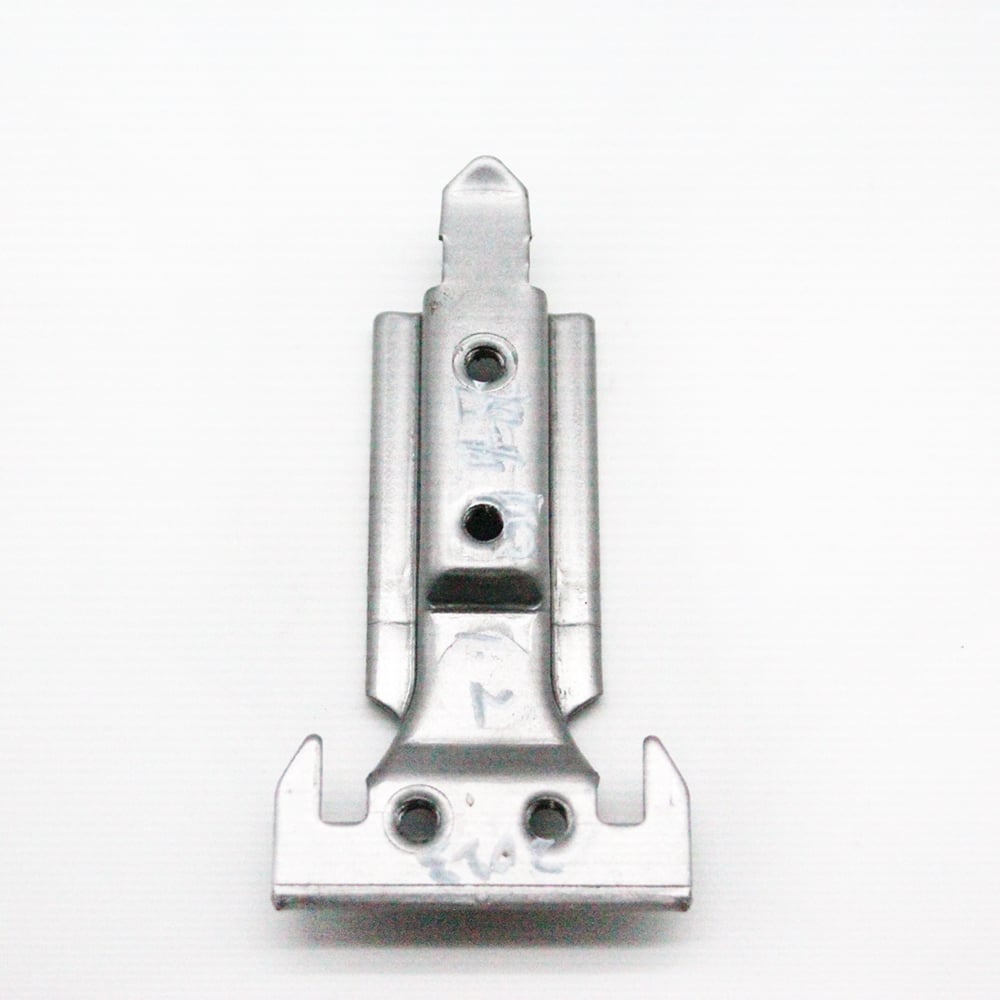
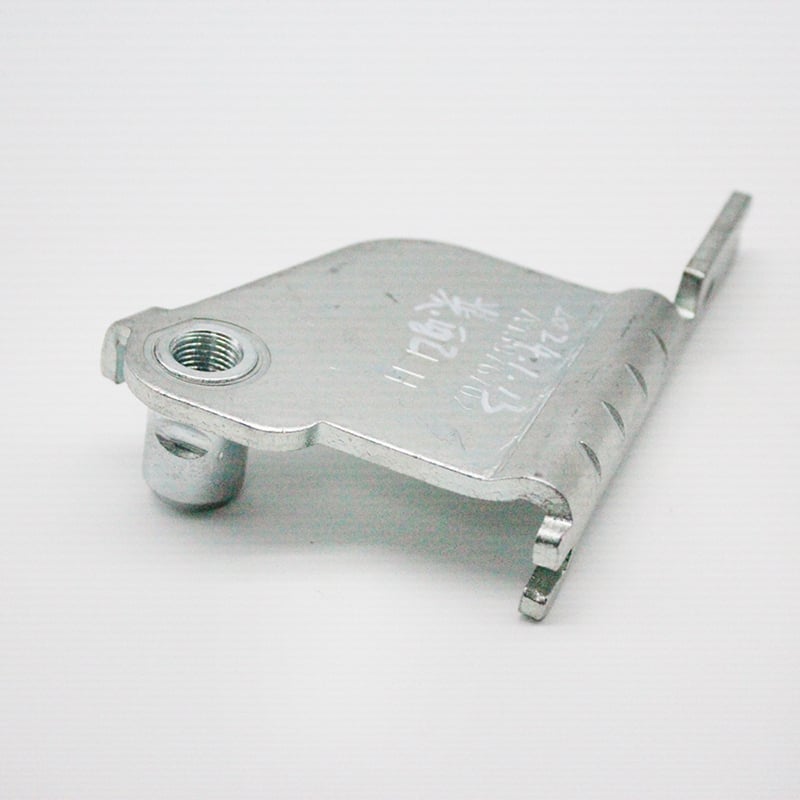
This process uses presses and specialized tooling to shape flat metal sheets into desired forms through bending, punching, and coining.
Selling Points:
High-Volume Production Efficiency: Once the stamping die is created, Precision Metal Parts can be produced at very high speeds and low per-part cost.
Consistency and Repeatability: Stamping delivers millions of identical parts with minimal variation.
Material Efficiency: Minimizes waste compared to subtractive processes, especially for sheet-based components.
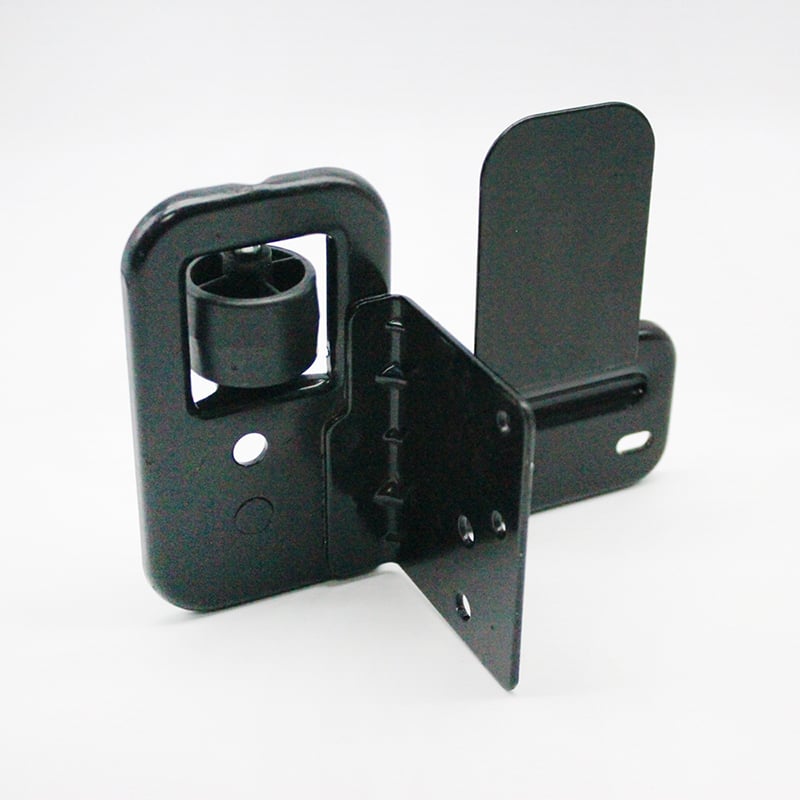
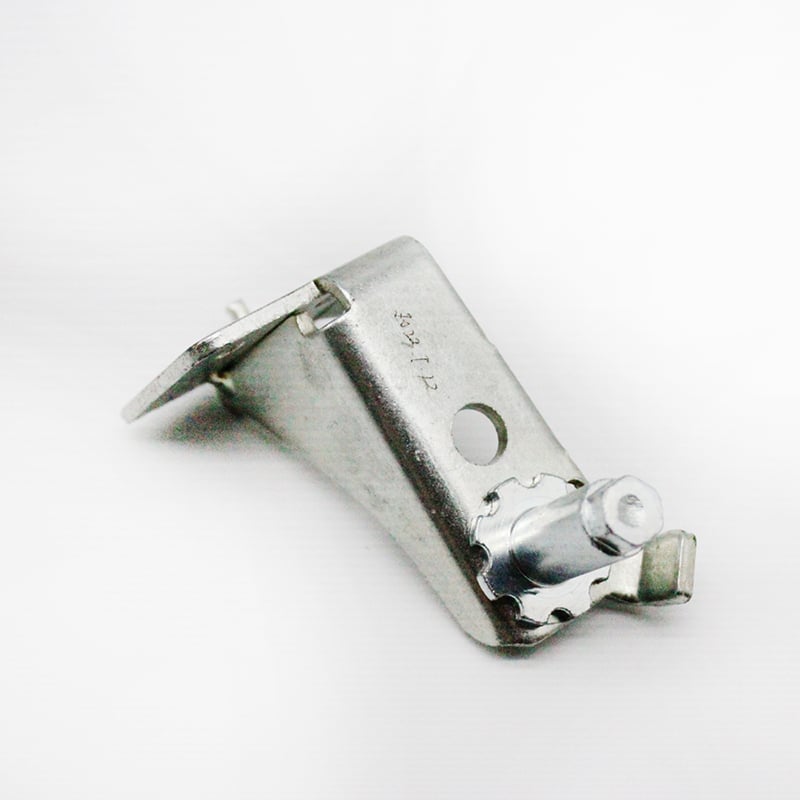
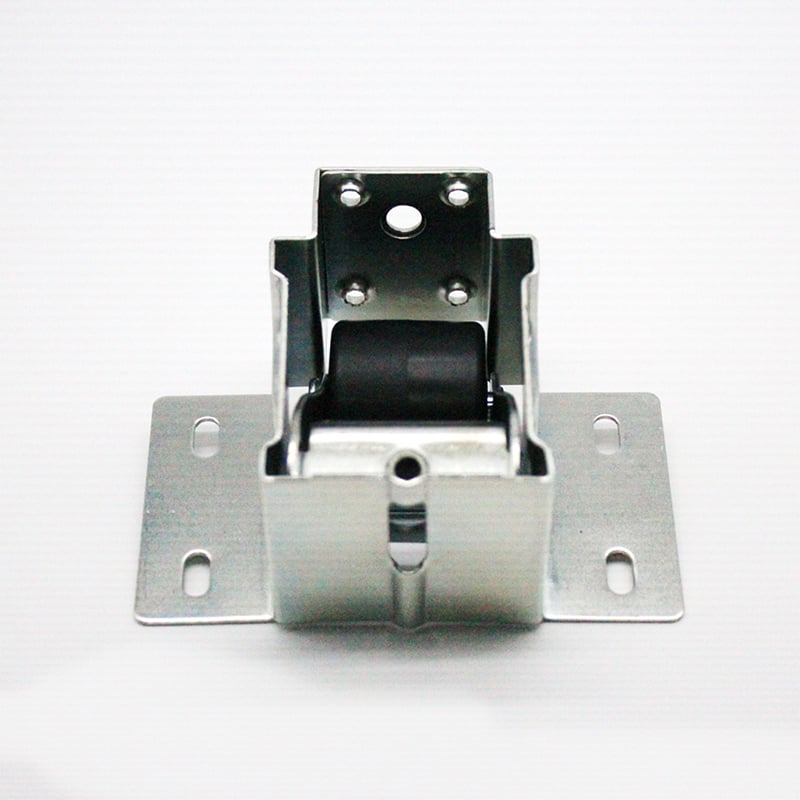
Ability to Create Complex Features: Can incorporate formed tabs, louvers, embossed logos, and precisely punched holes in a single operation.
3. Photochemical Etching (PCM)
A subtractive process that uses chemical etchants to selectively remove metal from a sheet, defined by a photoresist mask.
Selling Points:
Burr-Free and Stress-Free Parts: The process does not impose mechanical or thermal stresses, preserving the material's properties and producing parts with absolutely no burrs.
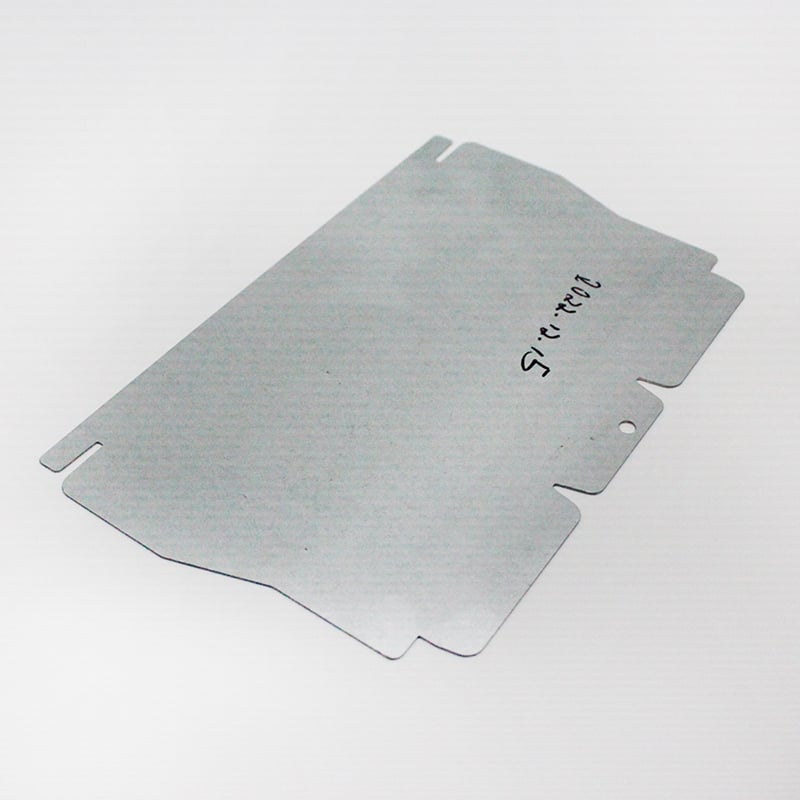
Complex and Intricate Geometries: Perfect for producing extremely delicate, flat Precision Metal Parts like lead frames, filters, shims, and electrical contacts that would be fragile or costly to machine.
Rapid and Low-Cost Tooling: The "tooling" is a digital film, making it inexpensive and fast to produce, ideal for prototypes and short runs.
Excellent for Thin Metals: Exceptionally capable of processing thin gauges of metal without distortion.
4. Metal Injection Molding (MIM)
A hybrid process that combines the design flexibility of plastic injection molding with the strength of metal. Metal powder is mixed with a binder, molded, and then sintered in a furnace.
Selling Points:
Complexity at High Volumes: Unbeatable for mass-producing highly complex, net-shape Precision Metal Parts that would require extensive CNC machining otherwise.
Material Consistency: Sintered parts are homogeneous and exhibit material properties very close to wrought materials.
Excellent Surface Finish: Parts emerge from the mold with a very high-quality surface finish.
Reduced Waste: A near-net-shape process that minimizes material loss.
Conclusion:
The category of Precision Metal Parts is defined by an unwavering commitment to quality, performance, and technological advancement. The choice of manufacturing process—be it CNC machining for its unparalleled accuracy, metal stamping for its high-volume efficiency, photochemical etching for its burr-free intricacy, or metal injection molding for its complex, high-volume capabilities—is a strategic decision tailored to the specific application. By understanding the distinct advantages and technological selling points of these Precision Metal Parts, engineers and product developers can leverage these critical components to build superior, more reliable, and innovative products that define the future of technology and industry. Investing in high-quality Precision Metal Parts is, therefore, an investment in product excellence and market leadership.


 EN
EN