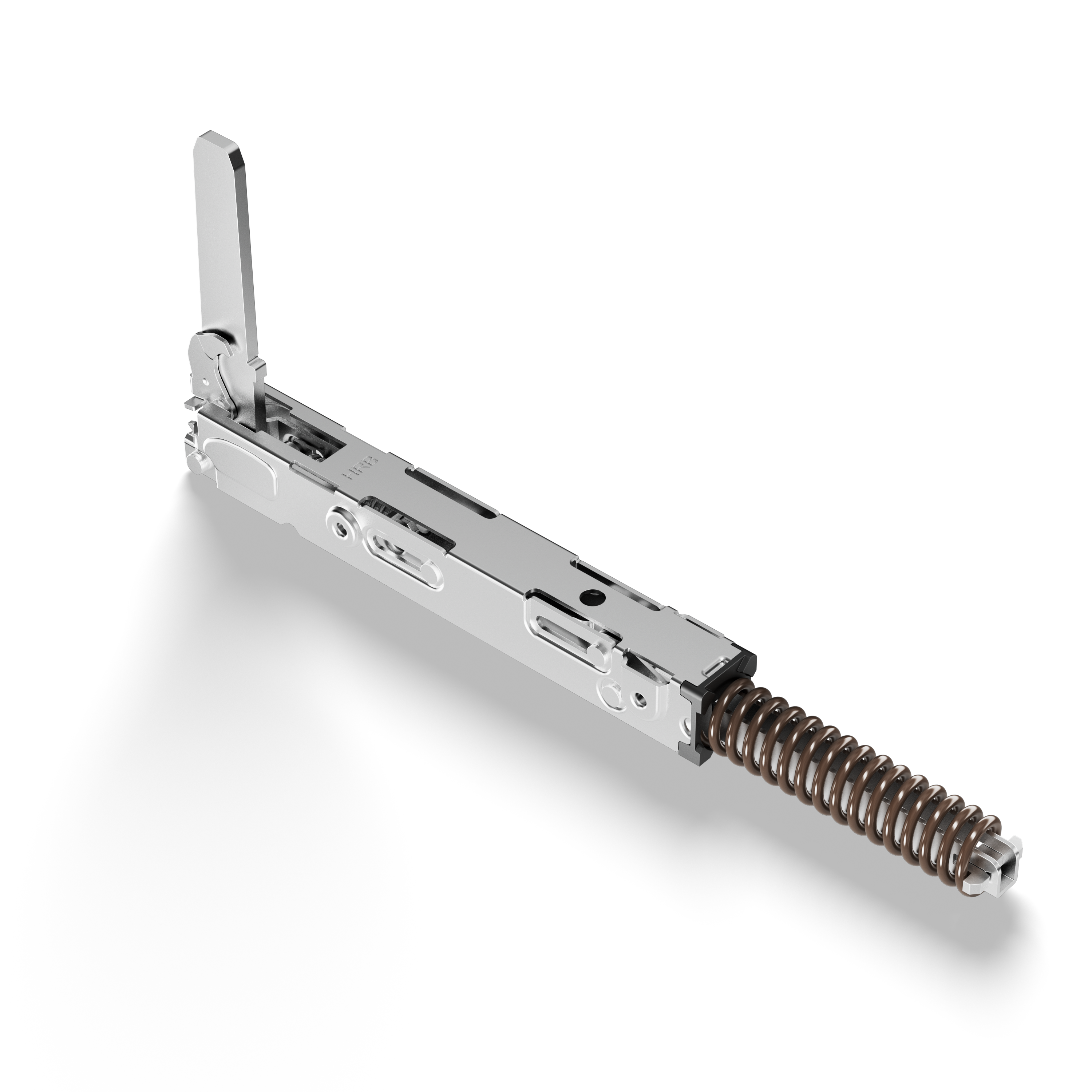
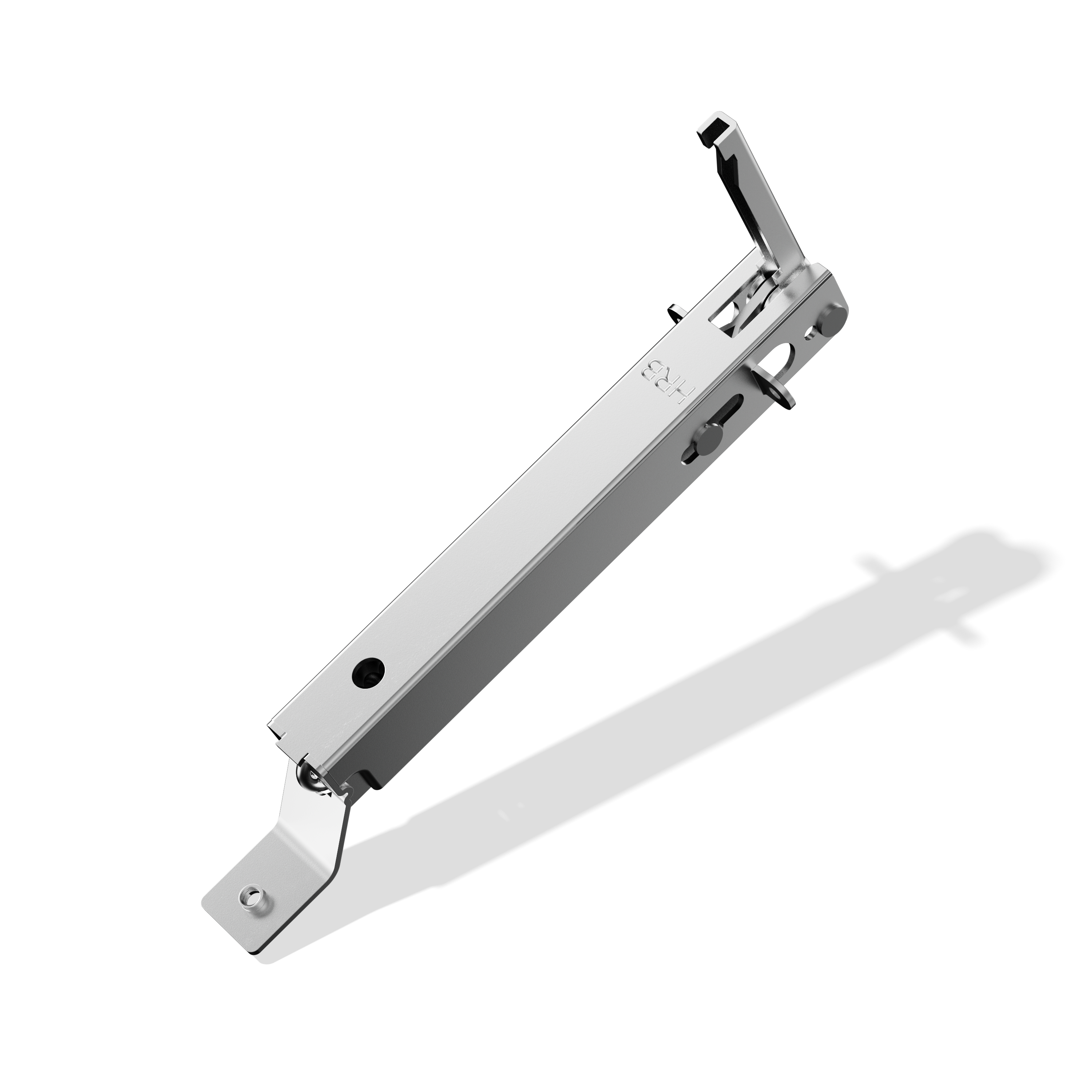
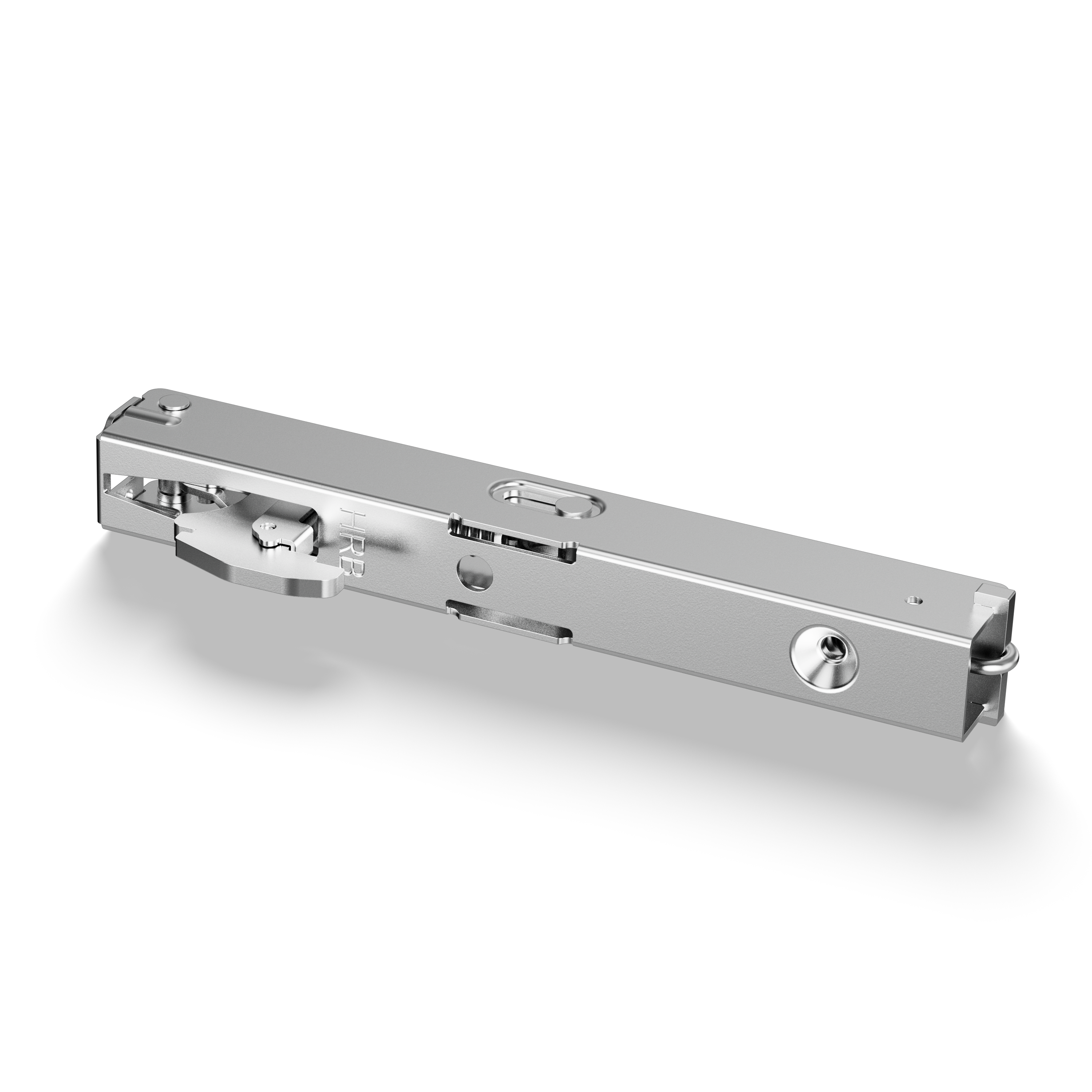
High-Performance Oven Hinges: Your Ideal Solution for Smooth and Durable Door Operation
1. Page Introduction: The Indispensable Role of Oven Hinges
In the realm of kitchen appliances and industrial heating equipment, Hinges are far more than just simple connecting parts—they are the core components that ensure the safe, smooth, and long-lasting operation of oven doors. Whether it is a household embedded oven that accompanies families in preparing delicious meals every day, a large commercial baking oven that undertakes high-frequency production tasks in bakeries, or an industrial oven used for precision drying in factories, the quality of Oven Hinges directly determines the user experience, equipment reliability, and even operational safety.
Our high-performance Oven Hinges are meticulously designed to meet the unique demands of frequent use and complex kitchen environments. Unlike ordinary Hinges that may wear out quickly under high temperatures, humidity, and repeated opening and closing, our products integrate excellent durability, precise structural design, and flexible adaptability. For home appliance manufacturers, choosing our Oven Hinges means enhancing the competitiveness of their products by ensuring stable door operation and long service life. For after-sales maintenance providers, our Hinges serve as ideal original replacement parts, simplifying the repair process and restoring equipment functionality efficiently. For commercial kitchen equipment integrators, our Oven Hinges can adapt to various types of baking equipment, from pizza ovens to barbecue devices, ensuring that every door closes tightly and opens smoothly, thus maintaining the stability of the internal temperature of the oven and guaranteeing the quality of food processing.
This document will take an in-depth look at the advantages of our Oven Hinges, the outstanding craftsmanship that supports their performance, and how these Hinges become a reliable guarantee for different application scenarios, helping you fully understand why our Oven Hinges are the first choice in the market.
2. Advantage Points: Why Our Oven Hinges Stand Out
2.1 Exceptional Durability and Rust Resistance: Conquering Harsh Kitchen Environments
One of the most prominent advantages of our Oven Hinges is their exceptional durability and rust resistance, which is crucial for withstanding the harsh conditions in kitchens and industrial settings. These Hinges are made of high-quality galvanized steel sheets as the base material—galvanized steel itself has inherent corrosion resistance, and we further enhance this performance through three advanced surface treatment processes: galvanizing, nickel plating, and anti-rust paint coating.
In a typical kitchen environment, ovens are often exposed to water vapor from washing, oil fumes from cooking, and even occasional splashes of acidic or alkaline substances. Ordinary Hinges may start to rust, corrode, or become stuck within a short period of use, leading to difficult door opening and closing or even door body deformation. However, our Oven Hinges, with their multi-layered anti-corrosion protection, can effectively resist oxidation and corrosion caused by these factors. Even in commercial kitchens where ovens are used for 8 to 12 hours a day, or in industrial environments with high-temperature fluctuations, these Hinges can maintain their structural integrity and performance, ensuring that the oven door operates normally for a long time. This durability not only reduces the frequency of replacing Hinges but also avoids potential safety hazards caused by damaged Hinges, such as loose oven doors.
2.2 Smooth and Quiet Operation: Enhancing User Experience
Another key advantage of our Oven Hinges is the smooth and quiet operation they provide, which significantly enhances the user experience in both home and commercial settings. We have invested a great deal of effort in the structural design of these Hinges, adopting precise component matching and optimized mechanical structures to ensure that the oven door opens and closes gently without jamming or harsh noises.
In a family kitchen, a quiet oven door operation means that early-morning baking or late-night meal preparation will not disturb the rest of family members. For commercial bakeries or restaurants, where oven doors are opened and closed hundreds of times a day, the smooth operation of Hinges reduces the physical labor of staff—they no longer need to exert extra force to push or pull the door, and the absence of noise also creates a more comfortable working environment. The secret behind this smoothness lies in the high-precision manufacturing of each part of the Hinges. Every pivot, bearing, and connecting component is processed with strict tolerance controls, ensuring that there is no excessive friction between parts during movement. Additionally, we have conducted repeated tests on the opening and closing speed and force of the Hinges, adjusting the structural parameters to achieve the most comfortable operating feel. Whether it is an elderly person in a family using a small desktop oven or a kitchen worker operating a large commercial baking oven, they can easily control the oven door with minimal effort, all thanks to the excellent smooth operation performance of our Oven Hinges.
2.3 Safe and Stable Load-Bearing: Preventing Accidents
Safety is always a top priority when it comes to oven equipment, and our Oven Hinges excel in providing safe and stable load-bearing capacity to prevent accidents caused by door sagging or falling. These Hinges are available in a range of load-bearing capacities, supporting door weights from 5kg to 15kg, and users can choose the appropriate model according to the specific weight of their oven door.
A common problem with low-quality Hinges is that they cannot bear the weight of the oven door for a long time—after a period of use, the Hinges may deform, leading to the oven door sagging. This not only affects the sealing performance of the oven (resulting in heat loss and increased energy consumption) but also poses a safety risk: a sagging door may suddenly fall when opened, potentially injuring the user's hands or body. Our Oven Hinges address this issue through a rational load-bearing design. We use high-strength galvanized steel sheets that have excellent tensile and compressive strength, and the structural design of the Hinges distributes the weight of the door evenly across the entire Hinge structure, rather than concentrating it on a single point.
To verify the load-bearing stability, we conduct rigorous tests: each Hinge model is subjected to repeated load-bearing tests under 120% of its rated load, simulating years of use. Only those Hinges that can maintain their shape and performance without deformation after thousands of tests are put into production. This strict quality control ensures that our Oven Hinges can firmly support the oven door at all times, whether the door is fully opened, partially opened, or closed, providing users with a safe and reliable use experience.
2.4 Long-Life Design: Withstanding Frequent Use
Ovens, especially commercial and industrial ones, require frequent opening and closing, which places high demands on the service life of Hinges. Our Oven Hinges feature a long-life design that can withstand tens of thousands of times of frequent opening and closing, ensuring that the oven remains in good working condition for many years.
We achieve this long-life performance through a combination of high-quality materials and precision engineering. First, the galvanized steel base material not only resists corrosion but also has high wear resistance, reducing the loss caused by friction during repeated movement. Second, the surface treatment processes (galvanizing, nickel plating, and anti-rust paint) not only prevent corrosion but also form a smooth surface layer that further reduces friction between parts. Third, we conduct fatigue tests on every batch of Oven Hinges—these tests simulate the actual use scenario, opening and closing the Hinges continuously for tens of thousands of times, and monitoring parameters such as the smoothness of movement, the tightness of connections, and the integrity of the structure.
For example, a household oven that is used 10 times a week (opening and closing 20 times) would require the Hinges to withstand about 10,000 times of opening and closing in 10 years. Our Oven Hinges, which can easily pass 50,000 or even 100,000 times of fatigue tests, far exceed the service life requirements of ordinary households. For commercial ovens that are used 100 times a day (opening and closing 200 times), our Hinges can still maintain stable performance for 5 to 10 years, greatly reducing the cost of equipment maintenance and replacement for businesses. This long-life design makes our Oven Hinges a cost-effective choice for both home and commercial users.
2.5 Flexible Adjustment and Wide Compatibility: Adapting to Diverse Needs
Flexibility and compatibility are essential features of our Oven Hinges, allowing them to adapt to a wide range of oven types, installation requirements, and user habits. In terms of opening angles, our Hinges adopt a multi-position adjustment design—users can adjust the maximum opening angle of the oven door according to their specific needs. For example, in a small kitchen with limited space, the oven door can be adjusted to open at a 90-degree angle to avoid occupying too much space; in a commercial kitchen where staff need to place large baking trays, the door can be adjusted to open at a 180-degree angle for easy operation. This flexibility not only improves the usability of the oven but also makes the Hinges suitable for different installation environments.
In terms of compatibility, our Oven Hinges are designed to fit various types of equipment, including household embedded ovens, desktop ovens, microwave-oven combinations, commercial baking ovens, pizza ovens, barbecue equipment, and industrial ovens. We understand that different manufacturers have different designs for oven bodies, so we offer three installation methods for our Hinges: screw fixing, welding, and quick-installation structures. The screw-fixing method is suitable for most household and small commercial ovens, as it is easy to install and disassemble; the welding method provides a more firm connection, making it ideal for large industrial ovens that bear heavy loads; the quick-installation structure is designed for manufacturers with high production efficiency requirements, allowing workers to install the Hinges in a short time, improving the overall production speed of the oven.
This wide compatibility and flexible adjustment capability mean that our Oven Hinges can meet the needs of different customers—whether you are a home appliance manufacturer producing a new series of ovens, a commercial kitchen owner upgrading existing equipment, or an after-sales maintenance provider looking for replacement parts, our Hinges can be seamlessly integrated into your system, eliminating the trouble of finding incompatible components.
2.6 Easy Installation and Maintenance: Saving Time and Costs
Installing and maintaining Oven Hinges should not be a complicated and time-consuming task, and our products are designed with ease of installation and maintenance in mind, helping users save time and reduce costs. First, in terms of installation, we adopt standardized interfaces for our Hinges—most models are compatible with the common mounting hole positions and sizes in the industry, so users do not need to modify the oven body or drill new holes when replacing old Hinges. The installation instructions provided with each Hinge are clear and detailed, with step-by-step diagrams and explanations, allowing even users without professional installation experience to complete the installation in a short time. For the quick-installation structure Hinges, the installation process is even simpler: users only need to align the Hinge with the corresponding position on the oven and push it into place, without the need for screws or other fasteners.
In terms of maintenance, our Oven Hinges require minimal upkeep. Due to their excellent rust resistance and wear resistance, users do not need to frequently clean or lubricate the Hinges. If a Hinge needs to be replaced (such as in the case of accidental damage), the disassembly process is as simple as the installation process—for screw-fixed Hinges, just unscrew the screws; for quick-installation Hinges, just pull them out. This ease of maintenance is particularly valuable for commercial and industrial users, as it reduces the downtime of the oven. For example, a bakery that relies on an oven for production cannot afford to have the oven out of service for a long time due to Hinge replacement. With our easy-to-maintain Oven Hinges, the maintenance staff can replace the Hinge in less than 30 minutes, minimizing the impact on production.
In addition, we provide comprehensive after-sales support for our Oven Hinges—if users encounter any problems during installation or maintenance, our technical team can provide timely guidance through phone, email, or video calls, ensuring that the Hinges are installed and used correctly. This combination of easy installation, simple maintenance, and reliable after-sales support makes our Oven Hinges a hassle-free choice for all users.
3. Craftsmanship Selling Points: The Technology Behind High-Quality Oven Hinges
3.1 High-Quality Material Selection: The Foundation of Excellent Performance
The performance of Oven Hinges starts with the selection of materials, and we spare no effort in choosing high-quality materials to ensure that every Hinge has a solid foundation. The core material of our Oven Hinges is high-quality galvanized steel sheets—we carefully select galvanized steel with a zinc coating thickness of not less than 80g/m², as this thickness provides sufficient corrosion resistance while maintaining the strength and ductility of the steel. Unlike low-quality galvanized steel that may have uneven zinc coating or impurities, our selected galvanized steel undergoes strict quality inspection, including tests for zinc coating adhesion, thickness uniformity, and tensile strength, to ensure that it meets our high standards.
Why choose galvanized steel over other materials? First, galvanized steel has excellent corrosion resistance—the zinc coating acts as a barrier, preventing oxygen, water vapor, and other corrosive substances from coming into contact with the underlying steel. Second, galvanized steel has high strength, which is essential for bearing the weight of the oven door. Third, galvanized steel is easy to process, allowing us to form complex Hinge structures through stamping, bending, and other processes without cracking or deformation.
In addition to the base material, we also pay attention to the selection of auxiliary materials for the Hinges, such as the screws used for fixing and the bearings in the moving parts. The screws are made of stainless steel, which has the same level of corrosion resistance as the galvanized steel Hinges, ensuring that the entire connection system does not rust. The bearings are made of high-quality plastic or metal with low friction coefficients, further enhancing the smooth operation of the Hinges. Every material used in our Oven Hinges is selected based on strict standards, and only materials that pass our quality tests are allowed to enter the production process—this is the first step in ensuring the high quality of our Hinges.
3.2 Advanced Surface Treatment Processes: Enhancing Performance and Aesthetics
The surface treatment of Oven Hinges is not only about improving their appearance but also about enhancing their performance, especially corrosion resistance and wear resistance. We use three advanced surface treatment processes for our Oven Hinges: galvanizing, nickel plating, and anti-rust paint coating, each of which plays a unique role in protecting the Hinges.
The first step in surface treatment is galvanizing—although the base material is already galvanized steel, we perform a second galvanizing process to further increase the thickness of the zinc coating. This double galvanizing layer provides an additional barrier against corrosion, making the Hinges more resistant to harsh environments such as high humidity and oil fumes. After galvanizing, the Hinges undergo a nickel plating process—nickel has a bright, smooth surface and excellent corrosion resistance. The nickel plating layer not only improves the appearance of the Hinges (giving them a sleek, professional look) but also reduces friction between the Hinge parts, enhancing the smoothness of operation.
The final step is the application of anti-rust paint coating—we use high-temperature resistant anti-rust paint that can withstand the high temperatures generated by the oven during operation (up to 200°C for some models). This paint coating not only adds a third layer of corrosion protection but also makes the Hinges more resistant to scratches and wear. Before applying the paint, we ensure that the surface of the Hinges is clean and smooth, without any oil, dust, or defects, to ensure that the paint adheres firmly. After painting, the Hinges are baked at a high temperature to cure the paint, forming a hard, durable surface layer.
These three surface treatment processes work together to make our Oven Hinges not only have a long service life but also maintain a good appearance for a long time. Even after years of use, the Hinges will not fade, peel, or rust easily, making them suitable for both visible and hidden installation positions in the oven.
3.3 Fully Automatic Assembly Line: Ensuring Efficient Production and Stable Quality
In the manufacturing process of Oven Hinges, efficiency and quality are equally important, and our fully automatic assembly line is the key to achieving both. Unlike traditional manual assembly, which is prone to errors, low efficiency, and inconsistent quality, our fully automatic assembly line uses advanced robotic arms, precision sensors, and computer control systems to complete every step of the assembly process with high accuracy and efficiency.
The assembly line starts with the feeding of raw materials—galvanized steel sheets are automatically cut into the required shapes and sizes by a CNC cutting machine, with a tolerance of less than 0.1mm, ensuring that each part meets the design specifications. Next, the cut parts are automatically transferred to the stamping and bending machines, which form the parts into the required Hinge structures, such as the frame, pivot, and connecting plates. During this process, precision sensors monitor the shape and size of each part in real-time, and if any part is found to be out of tolerance, the machine automatically stops and alerts the operator, preventing defective parts from entering the next process.
After the parts are formed, they are automatically transferred to the surface treatment station, where the galvanizing, nickel plating, and anti-rust paint coating processes are completed in a closed, controlled environment—this not only ensures the uniformity of the surface treatment but also prevents environmental pollution. Once the surface treatment is done, the parts are sent to the final assembly station, where robotic arms assemble the parts into complete Oven Hinges, including installing the bearings, screws, and other auxiliary components. The assembled Hinges are then automatically transferred to the testing station, where they undergo a series of tests, such as load-bearing tests, smoothness tests, and corrosion resistance tests. Only Hinges that pass all tests are labeled and packaged, ready for delivery.
The advantages of this fully automatic assembly line are obvious: first, it improves production efficiency—our assembly line can produce thousands of Oven Hinges per day



 EN
EN