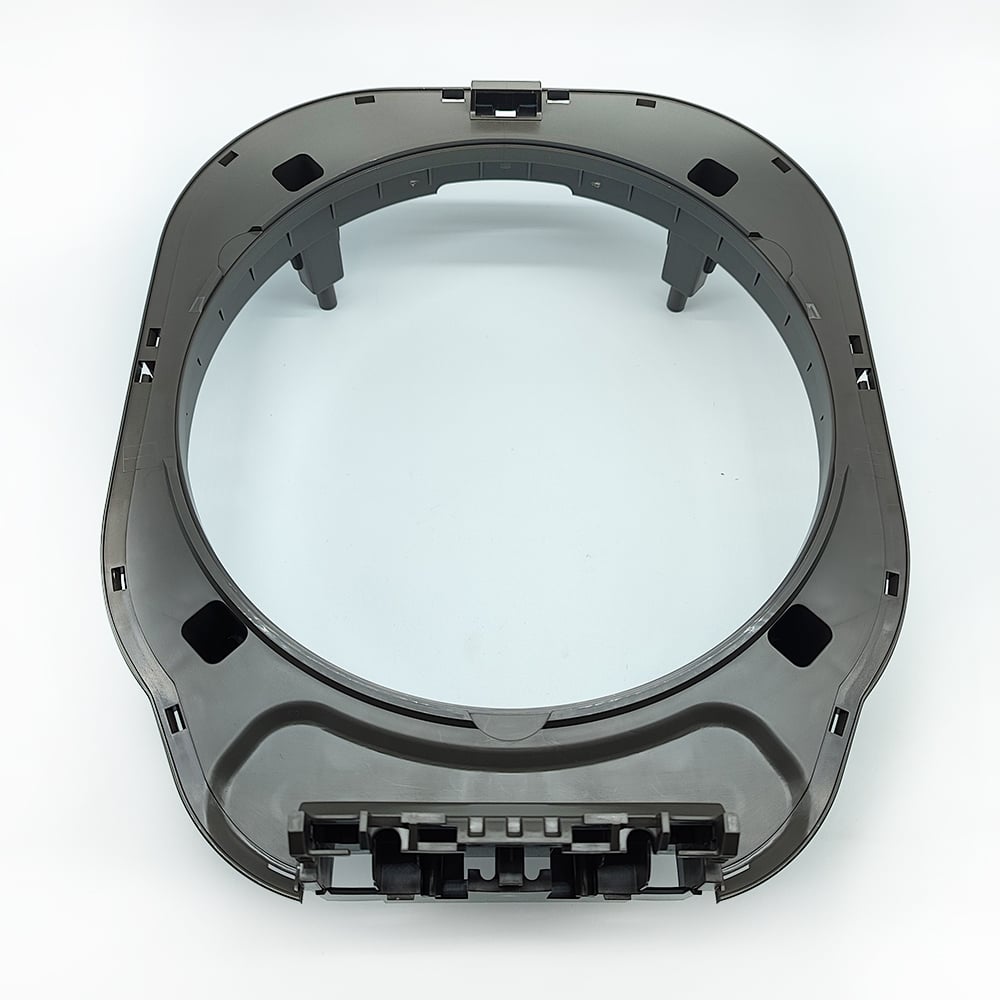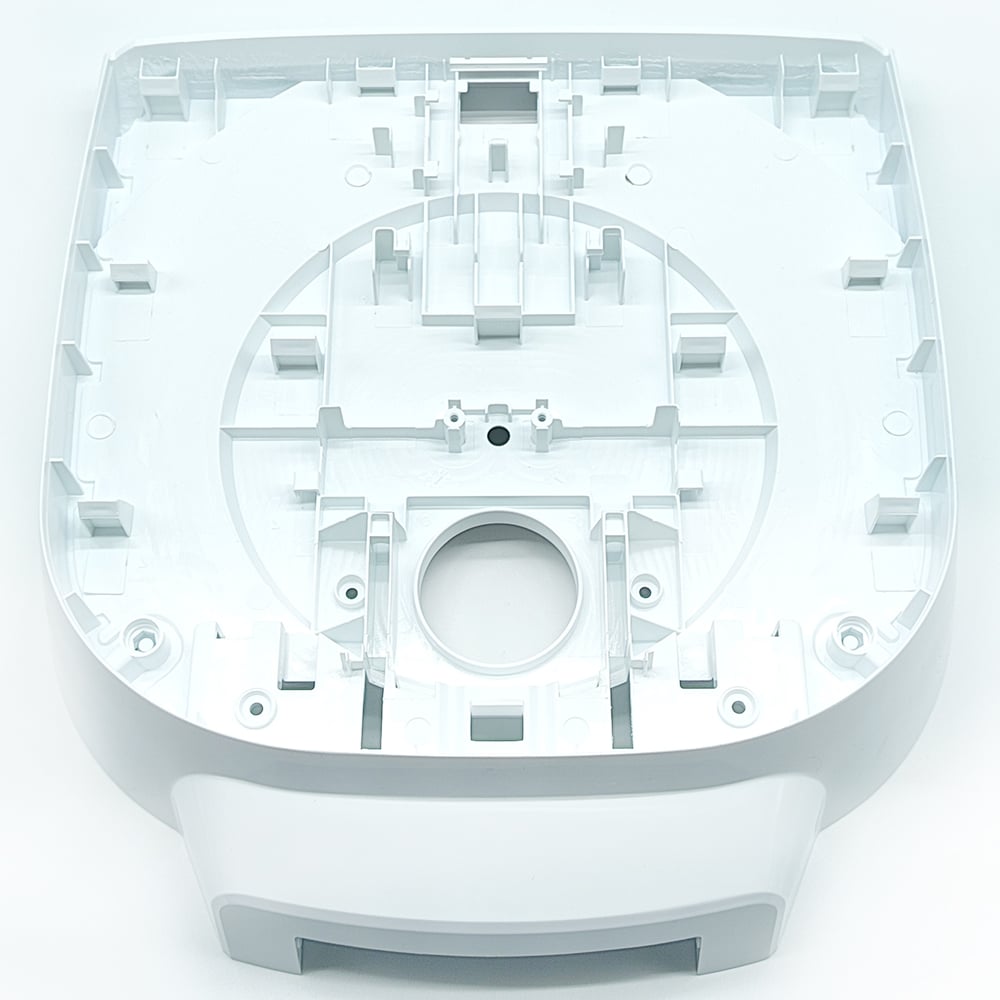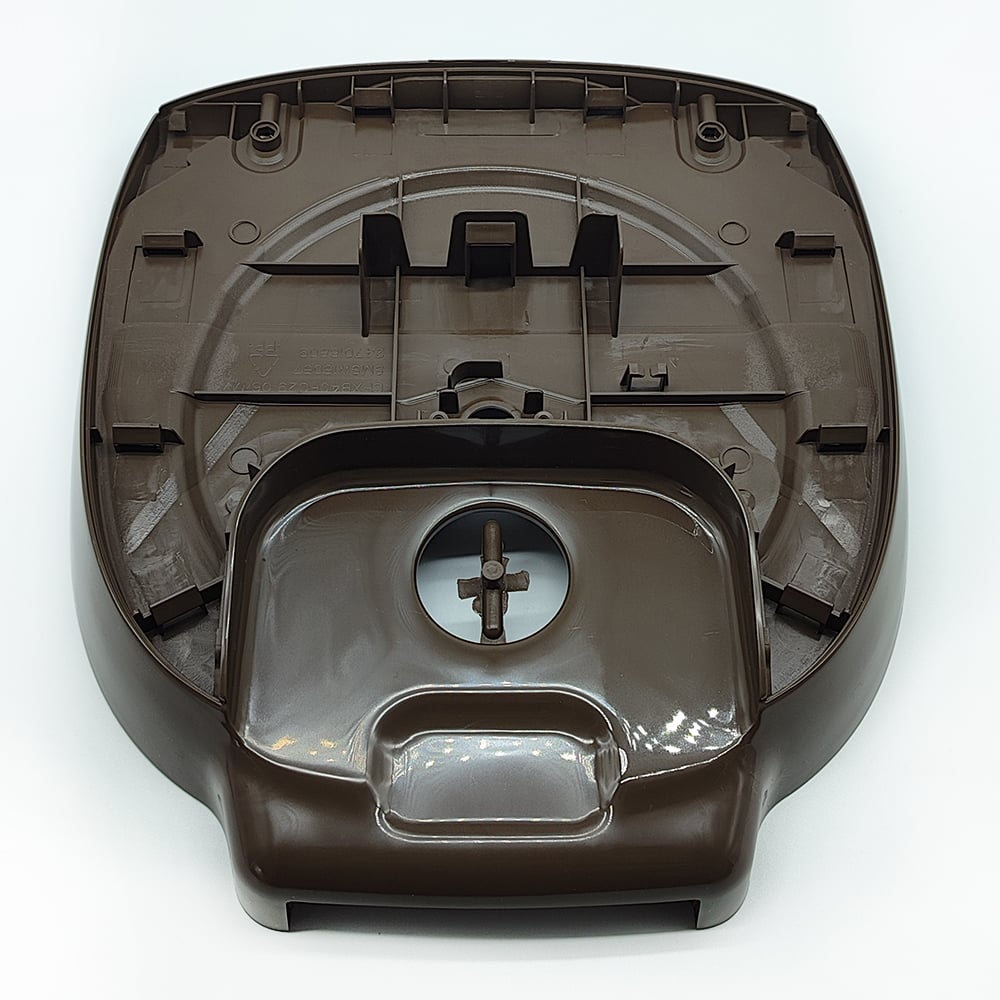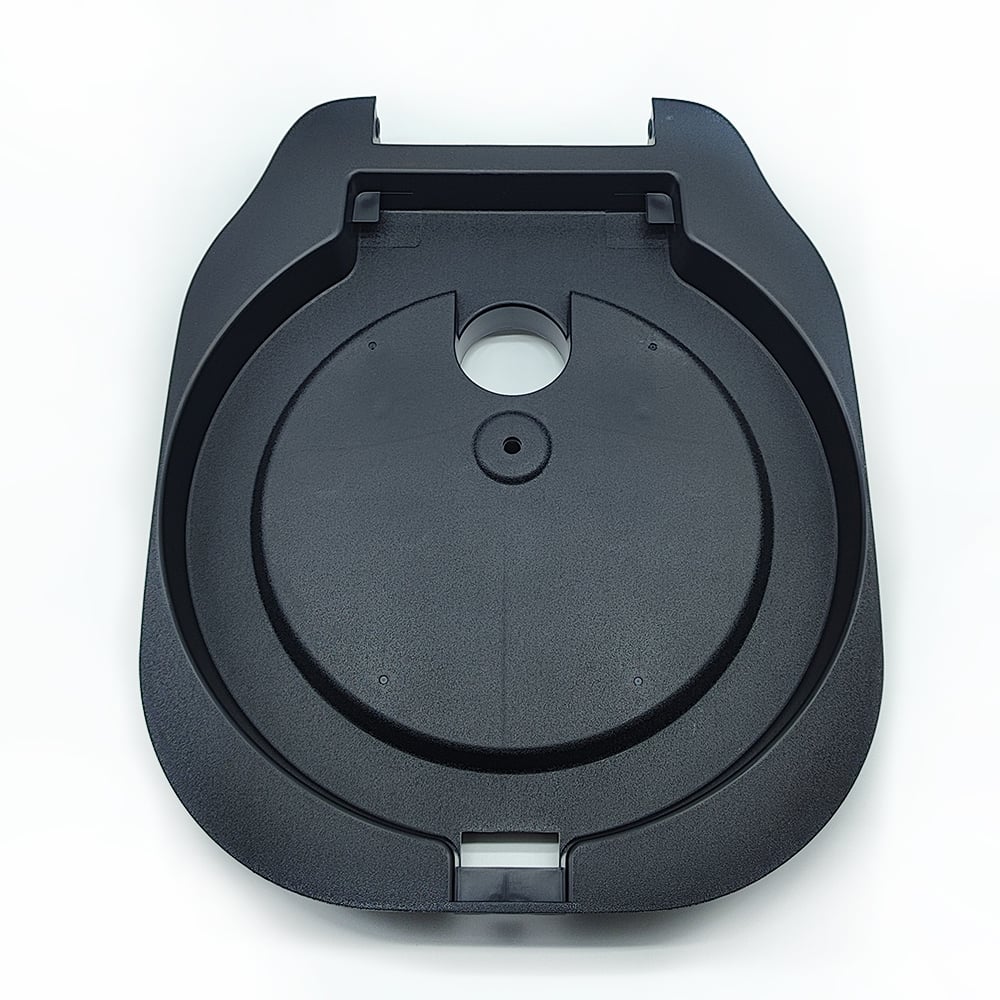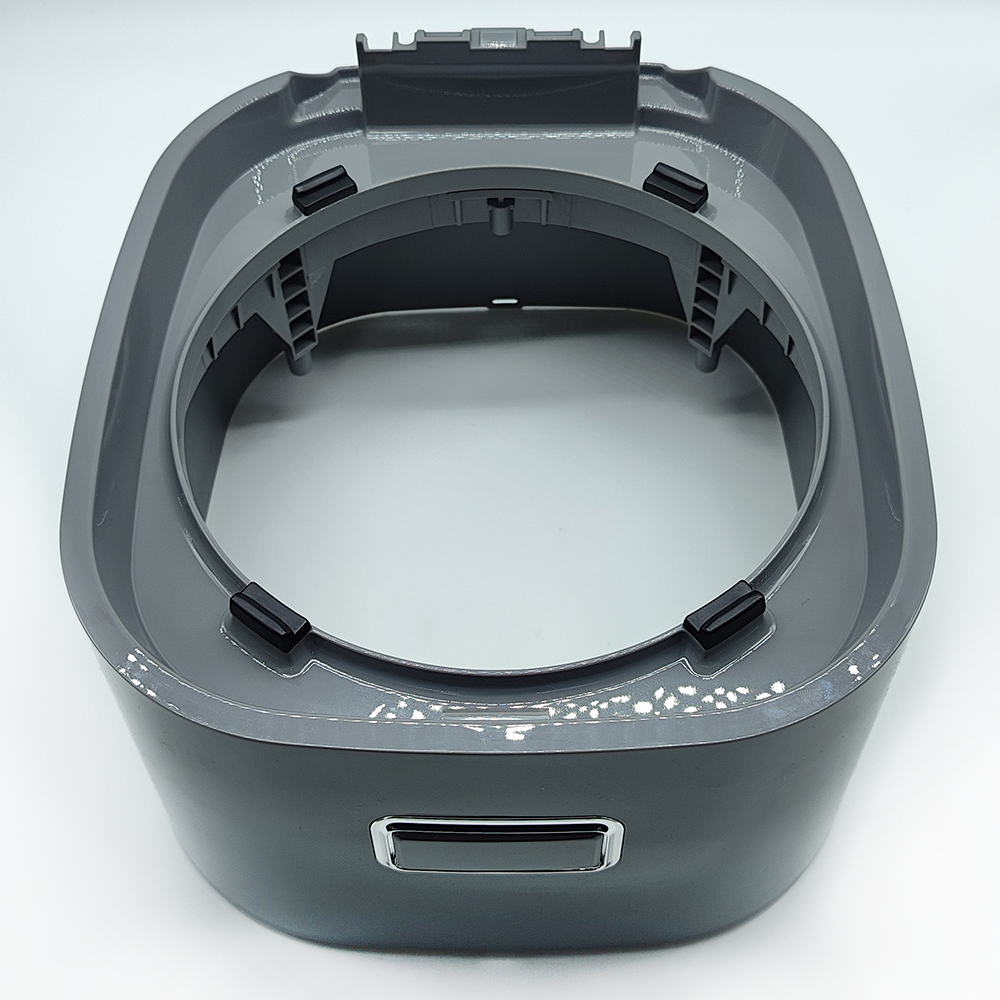
Classification: Injection Molded Products – Shaping Modern Manufacturing
Page Introduction
Injection Molded Products represent one of the most prevalent, versatile, and efficient manufacturing processes in the world today, responsible for producing millions of essential items we encounter daily. This manufacturing method involves injecting molten material—most commonly thermoplastics, but also thermosets, elastomers, and metals—into a precision-engineered mold cavity. Upon cooling and solidifying, the material takes the shape of the cavity, resulting in a finished or near-finished part. The ubiquity of Injection Molded Products is a testament to their critical role across virtually every industry, from automotive and medical to consumer electronics and packaging. These are not simple objects; they are complex, high-volume, and repeatable components that meet stringent requirements for dimensional accuracy, strength, and consistency. The creation of Injection Molded Products is a synergy of advanced engineering, material science, and meticulous design, enabling the mass production of everything from intricate surgical components and durable automotive gears to the ubiquitous plastic housings on our phones and computers. As a cornerstone of modern industrial production, the process of creating Injection Molded Products continues to evolve, offering unparalleled capabilities for designers and engineers to innovate and bring robust, cost-effective products to a global market.
Key Advantages of Injection Molded Products
The dominance of the injection molding process for mass production is due to a powerful combination of economic and technical benefits that are difficult to match with other manufacturing techniques.
Exceptional High-Volume Efficiency and Low Per-Unit Cost: The primary economic driver for Injection Molded Products is their unparalleled efficiency in large-scale production. While the initial investment in mold tooling can be significant, the per-part cost becomes extremely low once production commences. The cycle times for creating Injection Molded Products are remarkably fast, often lasting only seconds. This high-output, automated nature makes the process exceptionally cost-effective for manufacturing millions of identical parts, distributing the initial tooling cost across a vast number of units.
Unmatched Reproducibility and Part-to-Part Consistency: For applications requiring absolute consistency, Injection Molded Products are the gold standard. Once a mold is perfected and the process parameters are set, every single part produced is a virtually identical replica of the last. This repeatability is crucial for assembly line operations, quality control, and product reliability. Whether producing a million medical syringe barrels or automotive light housings, manufacturers can rely on the extreme consistency of Injection Molded Products to ensure seamless assembly and performance.
Vast Material Selection and Superior Material Properties: The range of materials suitable for creating Injection Molded Products is extensive. Engineers can select from thousands of thermoplastic grades, each with specific properties such as impact resistance, heat tolerance, chemical resistance, optical clarity, or biocompatibility. This allows for the customization of Injection Molded Products to meet precise operational demands, whether it's a flexible TPE seal, a rigid ABS housing, or a high-temperature PEEK component for an engine. The material properties are fully realized in the final part, providing excellent strength and durability.
Design Freedom for Complex Geometries and Integrated Features: The injection molding process allows for the creation of highly complex and intricate part geometries that would be impossible or prohibitively expensive with other methods. Injection Molded Products can incorporate complex features like living hinges, snap-fits, internal bosses, and threaded inserts directly into the part design. Furthermore, the technique of using side-actions, lifters, and unscrewing molds within the tooling allows for the production of sophisticated Injection Molded Products with undercuts and complex contours without secondary operations.
Minimal Post-Production Waste and High Material Utilization: As a net-shape process, injection molding is inherently efficient with materials. The amount of material injected into the mold is precisely calculated to form the part, and any excess (such as sprues and runners) can often be reground and recycled back into the production process. This minimized waste stream not only reduces material costs but also aligns with sustainable manufacturing initiatives, making the production of Injection Molded Products an environmentally conscious choice compared to subtractive manufacturing processes.
Core Manufacturing Process & Technological Selling Points
The quality and capabilities of Injection Molded Products are directly tied to the sophistication of the injection molding process and its various advanced techniques.
1. The Standard Injection Molding Cycle
This is the foundational process for creating the vast majority of Injection Molded Products. It involves a cyclical process of clamping, injection, cooling, and ejection.
Selling Points:
Proven and Reliable: A decades-old, highly refined process with predictable outcomes for a wide range of Injection Molded Products.
Full Automation: The entire cycle is automated, leading to high throughput and reduced labor costs.
Excellent Surface Finish: Parts emerge from the mold with a high-quality surface finish, often ready for use with minimal or no post-processing.
High-Strength Output: The injection pressure packs the material densely into the mold, resulting in strong, durable Injection Molded Products with good structural integrity.
2. Insert Molding and Overmolding
These processes enhance the functionality and value of Injection Molded Products by combining plastic with other materials.
Selling Points:
Part Consolidation: Inserts a metal or other component into the mold, which is then overmolded with plastic to create a single, integrated assembly. This simplifies the final product assembly for complex Injection Molded Products.
Enhanced Functionality: Allows for the integration of metal threads, electrical contacts, or decorative elements directly into the plastic part.
Ergonomic Improvement: Overmolding a rigid substrate with a soft-touch TPE or rubber creates Injection Molded Products with improved grip, comfort, and aesthetic appeal (e.g., tool handles, toothbrush grips).
3. Gas-Assisted Injection Molding
This advanced technique injects pressurized nitrogen gas into the molten plastic core after the initial injection phase.
Selling Points:
Reduced Weight and Material Usage: Creates hollow sections within thick-walled Injection Molded Products, significantly reducing part weight and material consumption.
Elimination of Sinks and Warpage: Prevents surface defects like sink marks that typically occur over thick sections, resulting in superior cosmetic quality.
Improved Structural Stiffness: The gas channels create a rigid, tubular structure within the part, enhancing its strength-to-weight ratio—a key selling point for large, structural Injection Molded Products.
4. Two-Shot (or Multi-Shot) Injection Molding
This process involves injecting two different materials into the same mold during a single manufacturing cycle to create a single, multi-material component.
Selling Points:
Aesthetic and Functional Versatility: Enables the creation of a single, seamless part with multiple colors or multiple material properties (e.g., a rigid frame with a flexible seal). This is ideal for creating sophisticated Injection Molded Products like keypads, seals, and tool grips.
Bonding Without Adhesives: The two materials are chemically or mechanically bonded during the molding process, creating a strong, permanent union.
Elimination of Secondary Assembly: Combines what would be multiple separate parts into one, reducing assembly time and cost for complex Injection Molded Products.
Conclusion:
The category of Injection Molded Products is defined by its unparalleled ability to produce high-quality, complex, and cost-effective parts at a massive scale. The combination of design flexibility, material diversity, and exceptional economies of scale makes injection molding an indispensable technology for modern manufacturing. From the simplest disposable spoon to the most complex medical device, Injection Molded Products form the backbone of consumer and industrial goods worldwide. By leveraging advanced techniques like insert molding, gas-assist, and two-shot molding, manufacturers can push the boundaries of what is possible, creating integrated, high-performance components that drive innovation across all sectors. Choosing to manufacture Injection Molded Products is a strategic decision for achieving manufacturing excellence, market competitiveness, and product success.


 EN
EN