 EN
EN
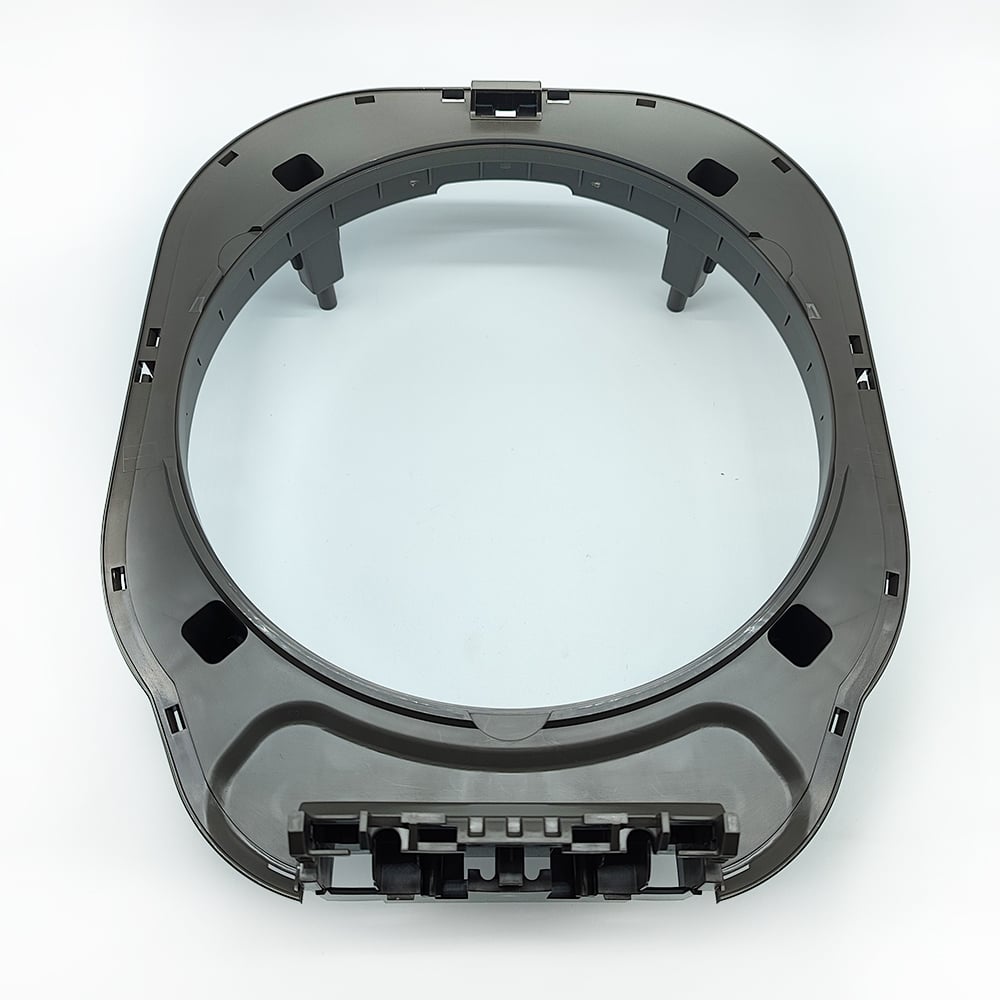
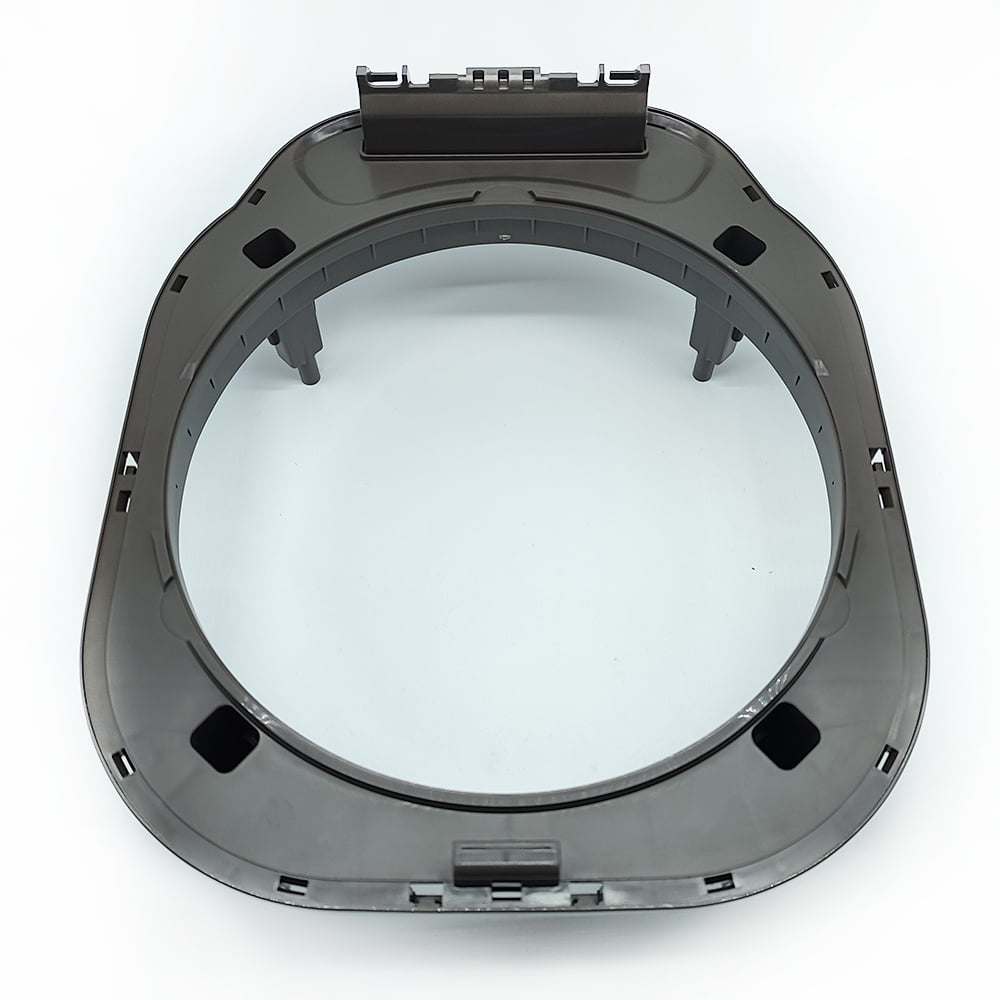
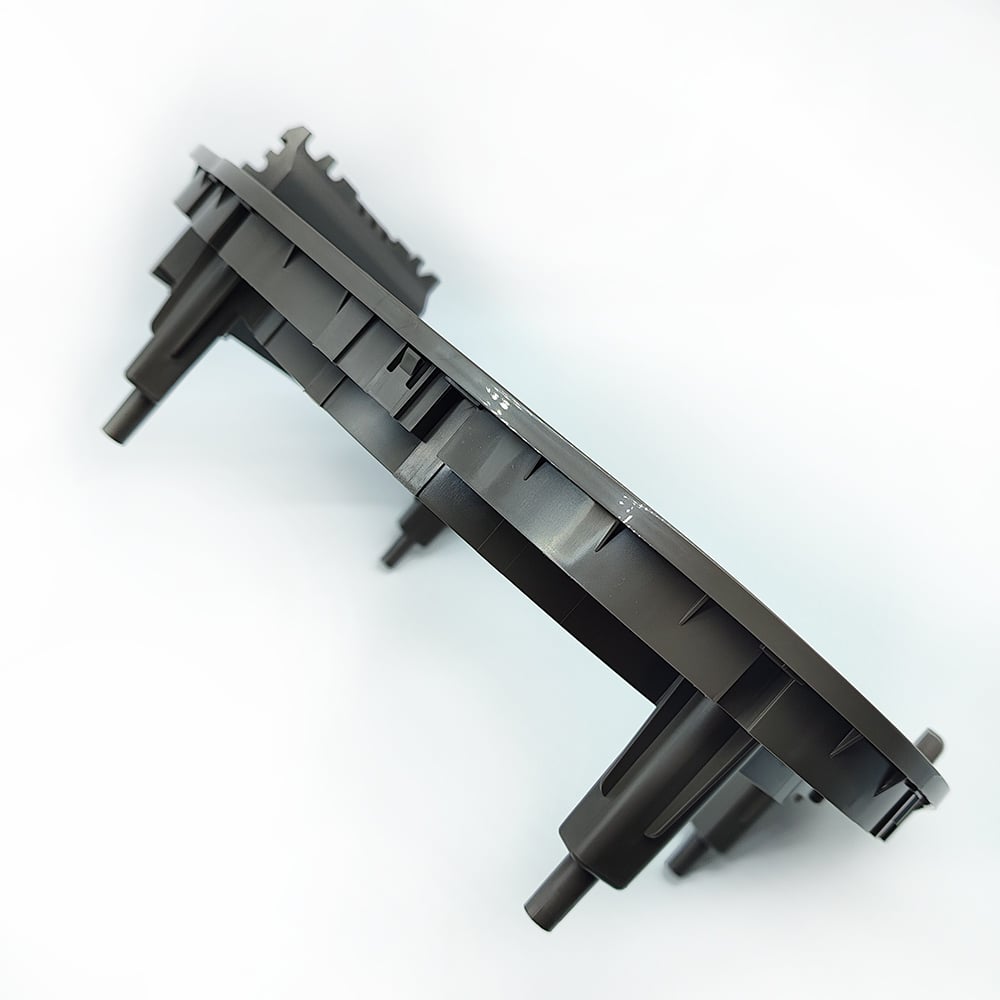
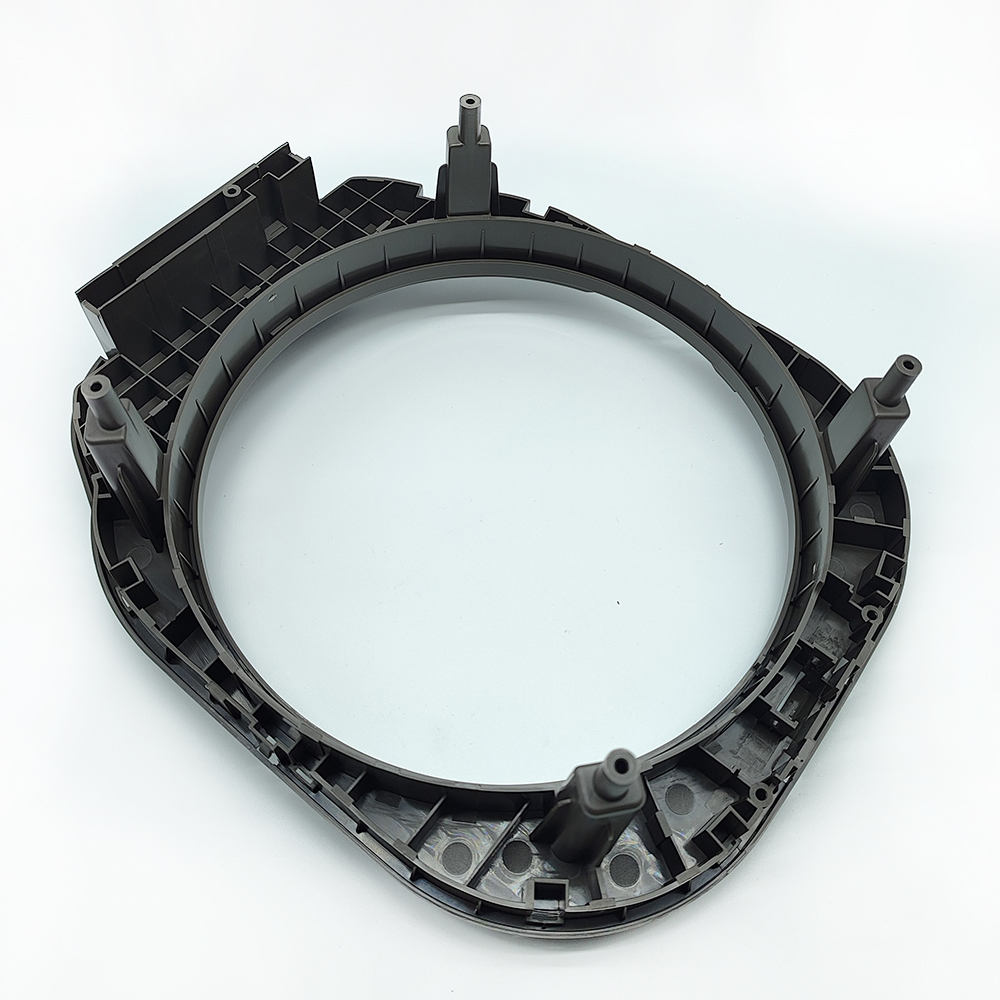
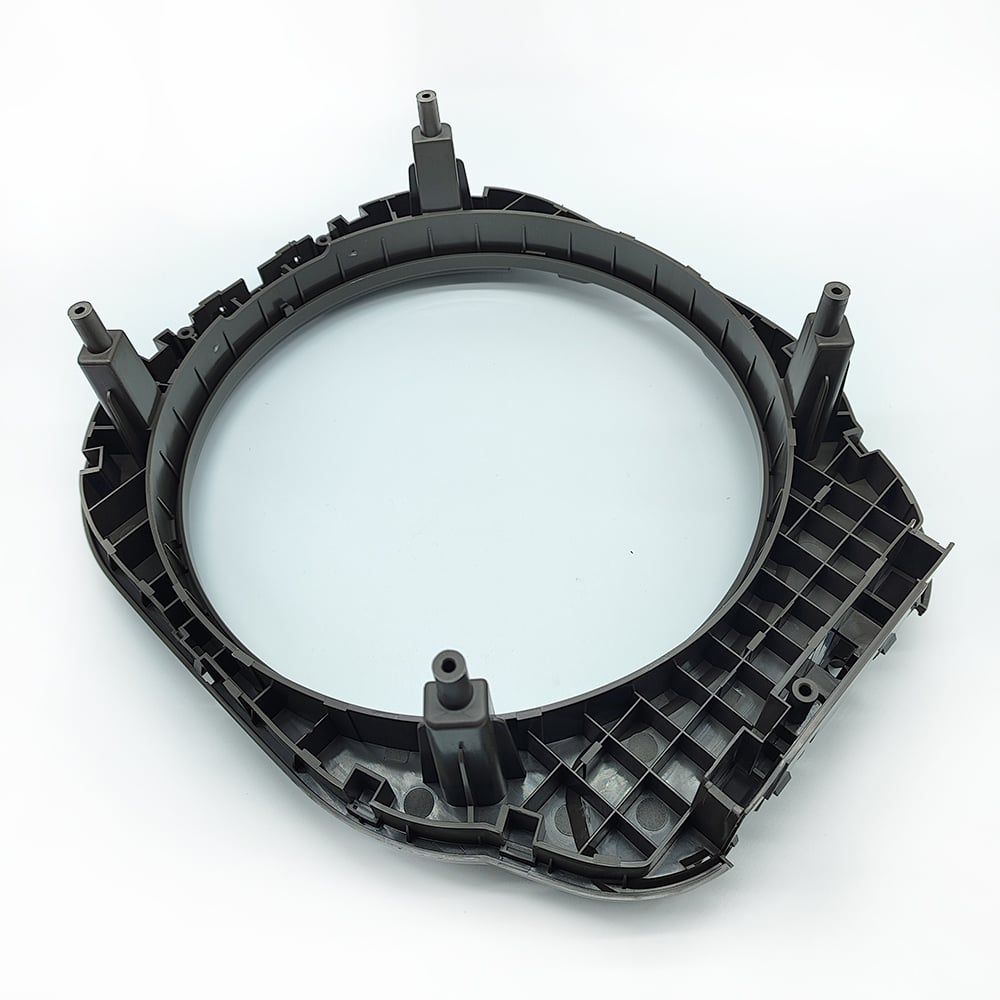
IM01-05-Color injection molded plastic casing for rice cookers
We specialize in the manufacturing of precision metal parts, with a professional design and production team dedicated to providing customers with high-quality, highly consistent metal component solutions. Leveraging advanced progressive stamping die technology, metal drawing processes, and fully automated production lines, we offer one-stop services from design support to mass delivery. Our products are widely used in white goods, automotive parts, and other industrial sectors.
- Overview
- Recommended Products
-
Materials: Primarily utilizes PC/ABS (2.5–4.0mm thickness) for its excellent impact resistance, heat resistance, and dimensional stability—ideal for the part’s exposure to automotive cabin temperatures and industrial environments. Optional materials include ABS (for cost-sensitive applications), PA6+GF30 (for enhanced strength), or PBT (for high-temperature resilience). All materials undergo heat deflection testing (≥110°C for PC/ABS) and tensile strength verification (≥50 MPa for PC/ABS).
-
Production Process: Combines 6-cavity hot runner injection molds to produce the part’s complex geometry (including the snap-fit connectors and mounting lugs visible in the images) with post-molding automated laser inspection for dimensional conformance and structural integrity. The injection process achieves dimensional tolerances of ±0.1mm, while the functional features’ positioning is controlled within ±0.06mm. Fully automated production lines integrate these processes, with in-line vibration testing to verify assembly reliability.
-
Surface Treatment: Supports textured molding (for scratch resistance and aesthetic consistency), matte painting (to match automotive interior themes), or laser etching (for component identification and instructions). All surface treatments undergo abrasion resistance testing (≥800 cycles for textured surfaces) and environmental exposure verification (1,500-hour temperature cycling for automotive applications).
-
Mold Development Cycle: 6 weeks for standard IM01-05 molds, with expedited 5.5-week turnaround for modifications to color, feature layouts, or material selections—essential for aligning with rapid product iterations in automotive and industrial sectors.
-
Sample Delivery Time: 7-8 weeks for standard samples (including mold development); 7 weeks for modified designs using existing tooling. Samples include a 3D dimensional report (verified against the images’ prototypes with ±0.1mm tolerance for the polymer body and ±0.06mm for functional features) and vibration resistance test results.
-
Quality System: Compliant with IATF 16949, with specialized checks for IM01-05: each part undergoes 100% laser scanning for dimensional accuracy, snap-fit pull-out testing, and visual inspection for surface defects.
-
Production Advantage: Automated injection molding lines with robotic part handling and AI-powered laser inspection systems inspect every part for structural flaws, dimensional errors, and feature alignment—ensuring the parts in the images are representative of all units produced. This automation achieves a defect rate of <0.05%, far below industry averages for automotive and industrial plastic components.
- Minimum Order Quantity: 5,000 pieces for standard configurations; 5,000 pieces for custom material/design combinations. Custom orders include a design-for-manufacturability analysis to ensure complex features (like the snap-fits and rib networks in the images) are feasible in high-volume production while maintaining cost efficiency.
-
Structural-Functional Integration: The rib-reinforced internal structure (seen in the images) provides 20% weight reduction compared to solid designs while maintaining load-bearing capacity (≥30kg static load), making it ideal for automotive and industrial frames. Integrated snap-fit connectors enable tool-free assembly, reducing production costs by 25% compared to screw-based alternatives.
-
Durability & Environmental Resistance: PC/ABS construction (as shown in the images) offers excellent impact resistance (≥15 kJ/m²) and compatibility with automotive fluids, industrial chemicals, and temperature extremes—critical for dashboard components and industrial instrumentation. It also withstands temperature ranges from -40°C to 120°C, suitable for diverse operating environments.
-
Precision Dimensional Control: Hot runner injection and laser inspection ensure the part’s wall thickness uniformity (±0.1mm) and feature accuracy (±0.06mm)—essential for aligning displays, sensors, and electronics in automotive and industrial systems.
-
Rapid Customization & Design Flexibility: Our team can modify material grades, color schemes, feature layouts, or surface finishes in as little as 5.5 weeks—enabling clients to adapt IM01-05 to new product launches, such as next-gen automotive instrument clusters or industrial control panel upgrades.
- Cost-Effective Scalability: 6-cavity mold production (100+ parts per hour) and automated inspection drive down unit costs for large orders. For volumes of 12,000+ pieces, IM01-05’s cost decreases by 20%, making it a competitive choice for both automotive OEMs and industrial equipment manufacturers.
-
Automotive Interior: Deployed as dashboard bezel frames (where the snap-fit design and dimensional accuracy align with display modules and control buttons) and instrument cluster housings (the PC/ABS material withstands cabin temperature fluctuations and vibration). It meets automotive durability standards (100,000+ mile testing).
-
Industrial Instrumentation: Used as gauge enclosure frames (for pressure or temperature gauges, where precision dimensions and environmental resistance are critical) and control panel structural components (the rib-reinforced design supports heavy-duty switches and displays).
-
Commercial Equipment: Ideal for vending machine interface frames (the snap-fits allow quick module replacement) and office equipment structural parts (for printers or copiers, where structural integrity ensures long-term reliability).
-
Other Industries: Utilized in marine instrumentation casings (custom-colored variants for shipboard diagnostic equipment) and agricultural machinery control frames (where the material withstands outdoor exposure and mechanical stress). Its flexibility in customization, from structure to finish, makes it suitable for niche structural-functional applications.
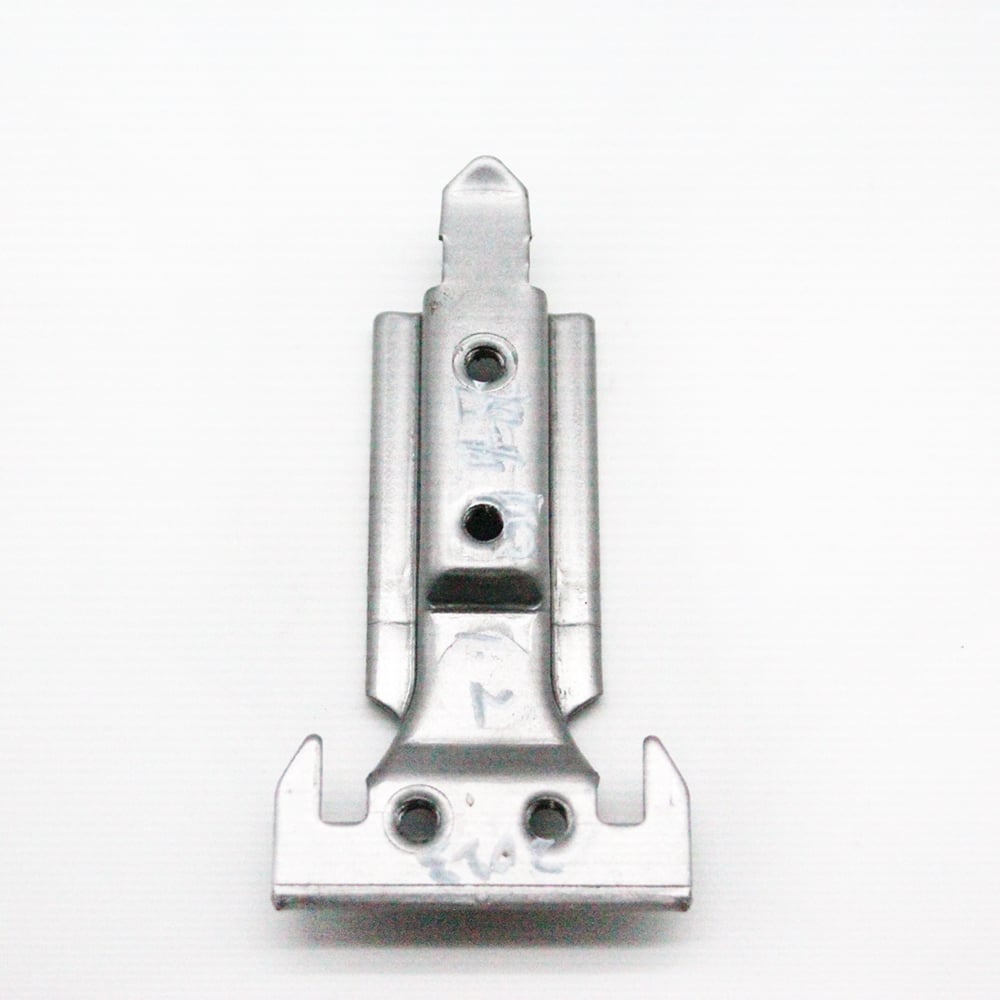
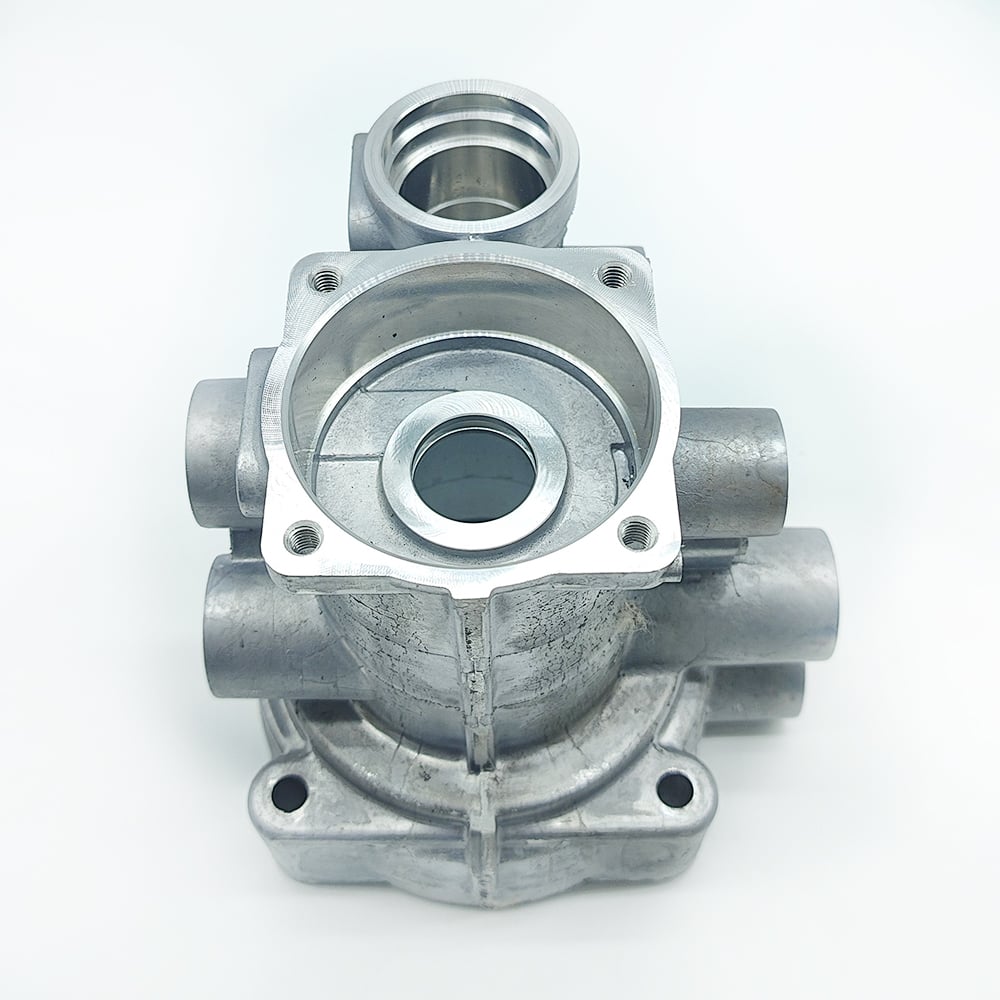
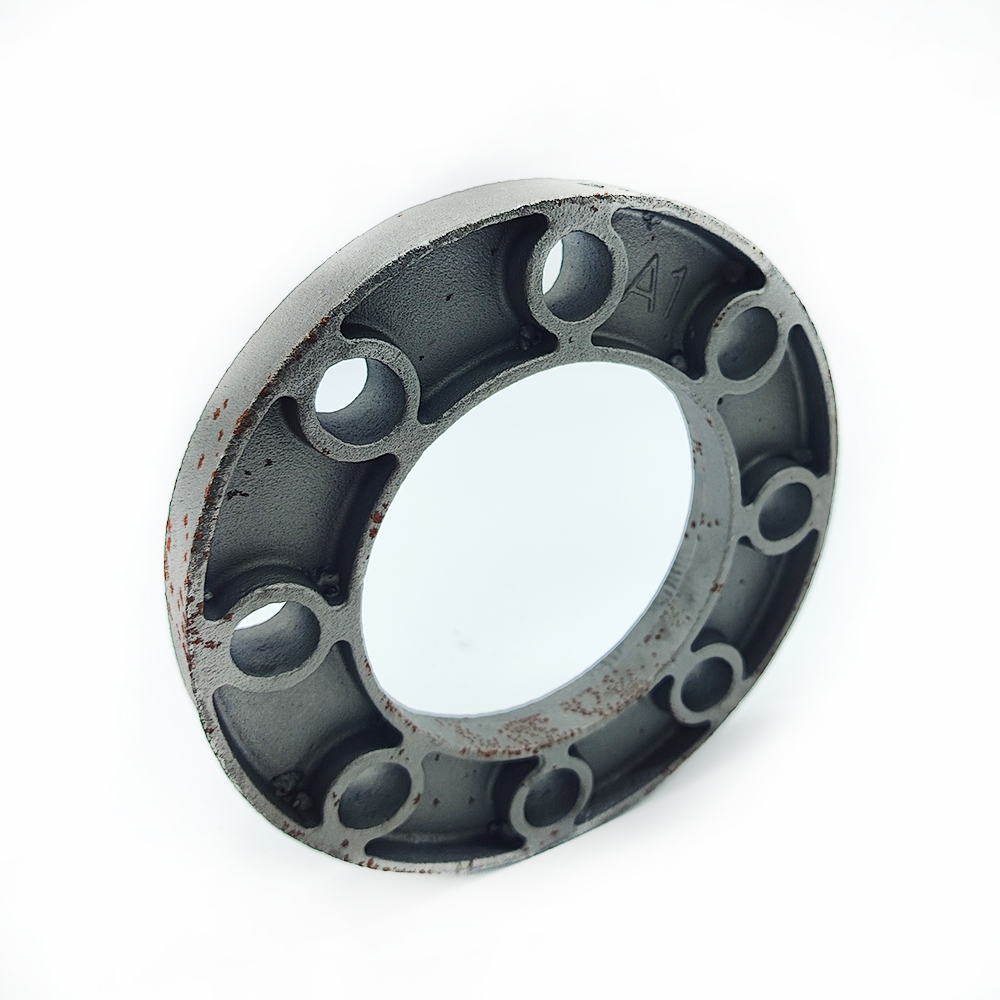
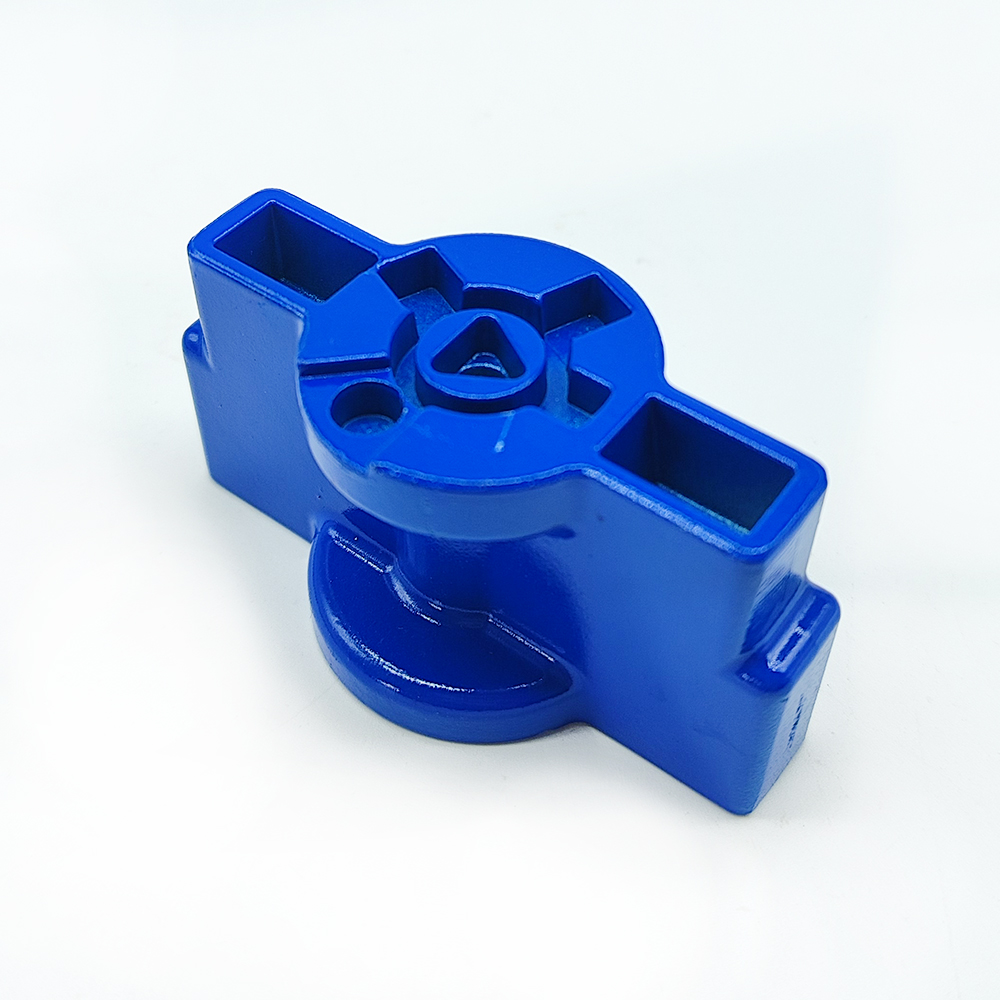
Welcome to our precision plastic injection molded part solution, Model IM01-05—a specialized component engineered for structural-functional integration in automotive and industrial instrumentation sectors. As illustrated in the accompanying images, this part features a robust gray polymer frame with integrated snap-fit connectors, precision-molded mounting lugs, and rib-reinforced structures, making it ideal for applications like automotive dashboard bezels, industrial gauge enclosures, and equipment control panel frames. Our engineering team has optimized IM01-05 to meet the stringent demands of industries where dimensional accuracy, assembly reliability, and environmental resistance converge: the part’s wall thickness is controlled within ±0.1mm, and the functional features (visible in the images) are positioned with ±0.06mm tolerance—critical for seamless integration of displays, sensors, and electronic modules in vibration and temperature-fluctuating environments. Whether you’re an automotive supplier sourcing durable interior components or an industrial brand needing precision-molded instrumentation frames, IM01-05 delivers a solution that merges complex molding requirements with field-ready durability.
Model IM01-05 is tailored for structural-functional applications, with specifications aligned to its role as a precision-engineered polymer component (as seen in the images):
Model IM01-05 leverages its precision-engineered design (visualized in the images) to deliver unique advantages:
Model IM01-05’s precision design (as depicted in the images) makes it a versatile solution across sectors:
In every application, IM01-05’s precision-engineered design—exemplified by the images’ rib-reinforced gray polymer frame, precision mounting lugs, and snap-fit connectors—sets a new benchmark for parts that demand both structural reliability and assembly efficiency in modern manufacturing.
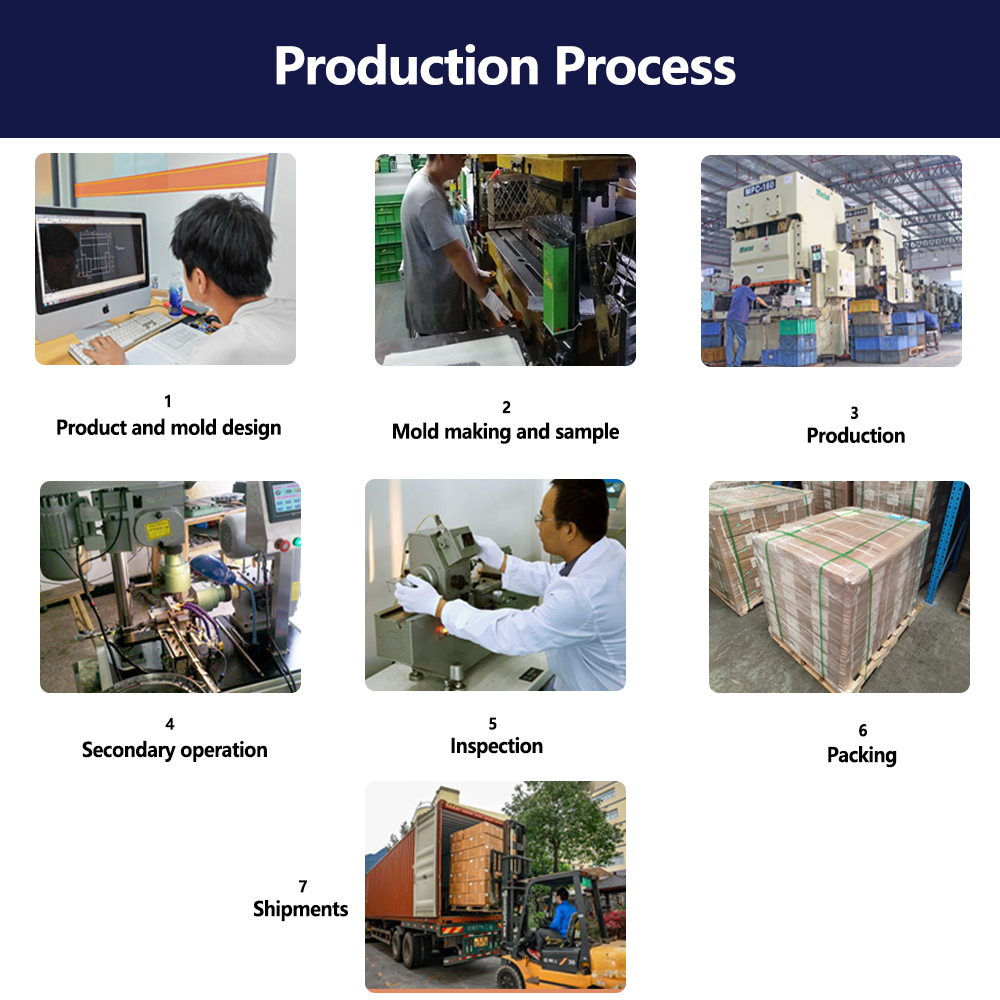
Q: How long does mold development and sample production take?
A: From order confirmation, the mold development cycle is approximately 6-7 weeks. Upon completion, we immediately arrange sample production and delivery, with a total lead time of about 7-8 weeks.
Q: What production process do you use?
A: We primarily use multi-cavity molds and hot runner systems for production, ensuring high efficiency, precision, and excellent consistency.
Q: Do you meet automotive industry quality standards?
A: Yes, we are certified under the IATF 16949 Quality Management System, fully complying with automotive industry quality requirements.
Q: What industries do your production capabilities cover?
A: We can produce not only injection molded products for home appliances but also precision injection molded products for automotive parts.
Q: Do you support multiple surface treatment options?
A: Yes, we offer various surface treatment options including painting, plating, silk screening, and pad printing to meet different application needs.
Q: Is the minimum order quantity negotiable?
A: 5,000 pieces is our standard minimum order quantity. For long-term cooperation or special requirements, we can negotiate flexibly.
Ready to enhance your oven door hinge performance? Contact us now for free technical consultation and a quote! Our engineers and sales team are here to provide professional support.
Email: [email protected]
Tel: 86-15663457251
Choose our reliable oven hinges for your equipment — built strong and precise to support every opening and closing.
Note: This product holds an EU design patent, ensuring unique and proprietary design.