 EN
EN
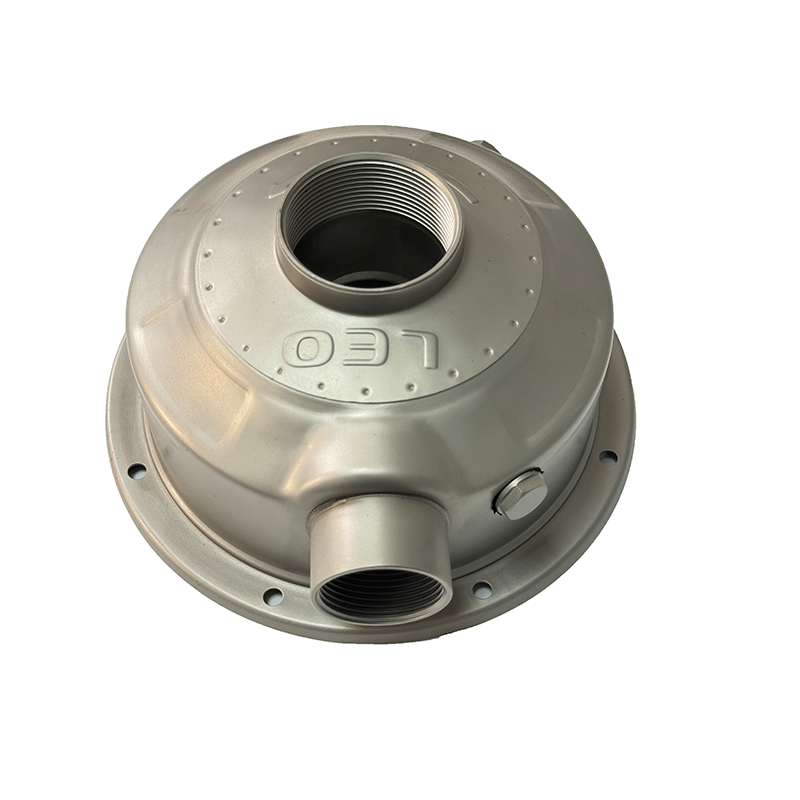
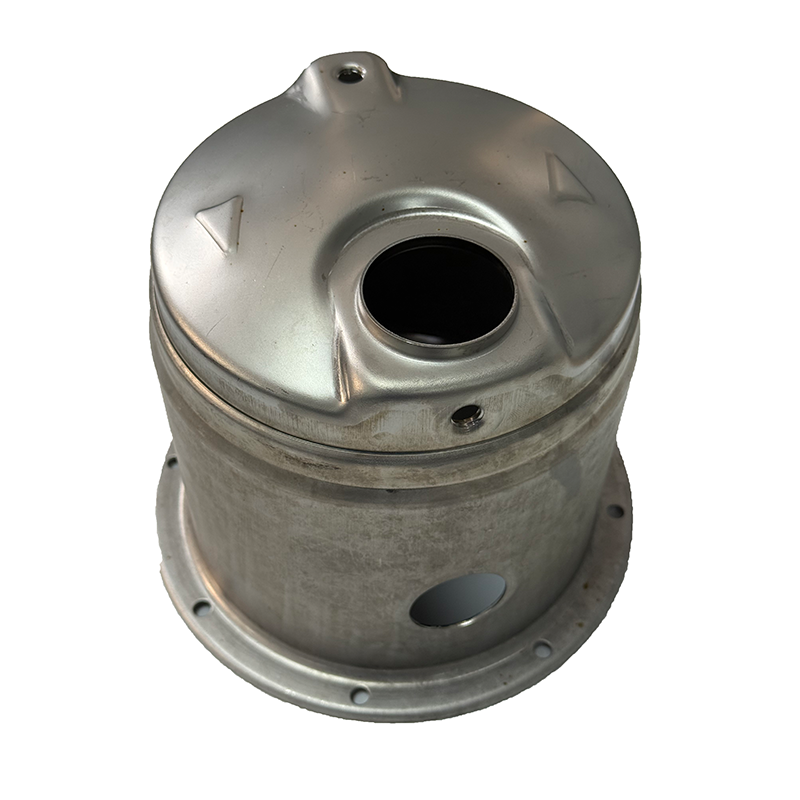
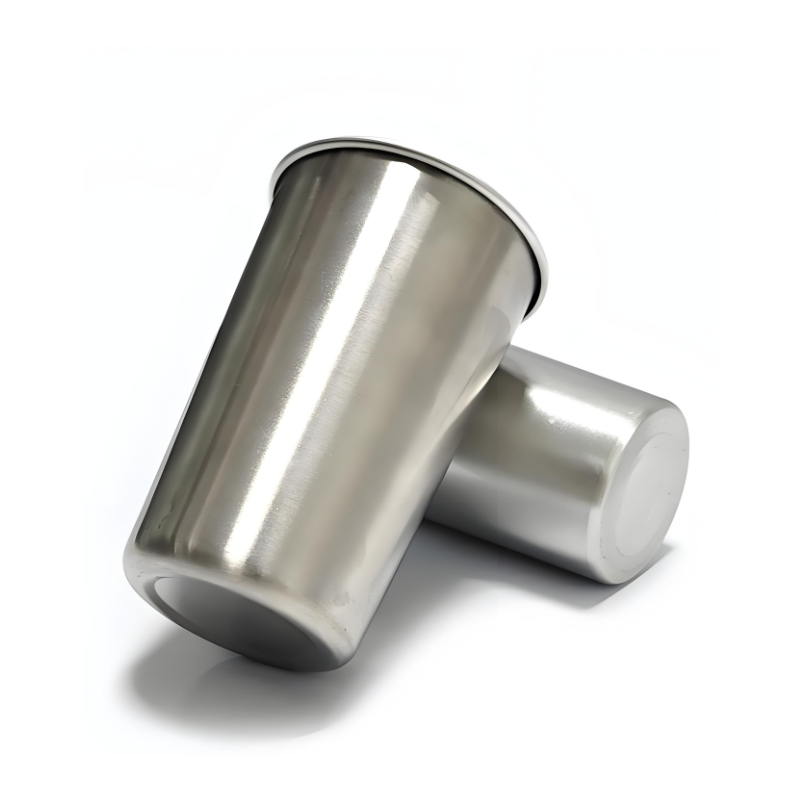
Stretched product
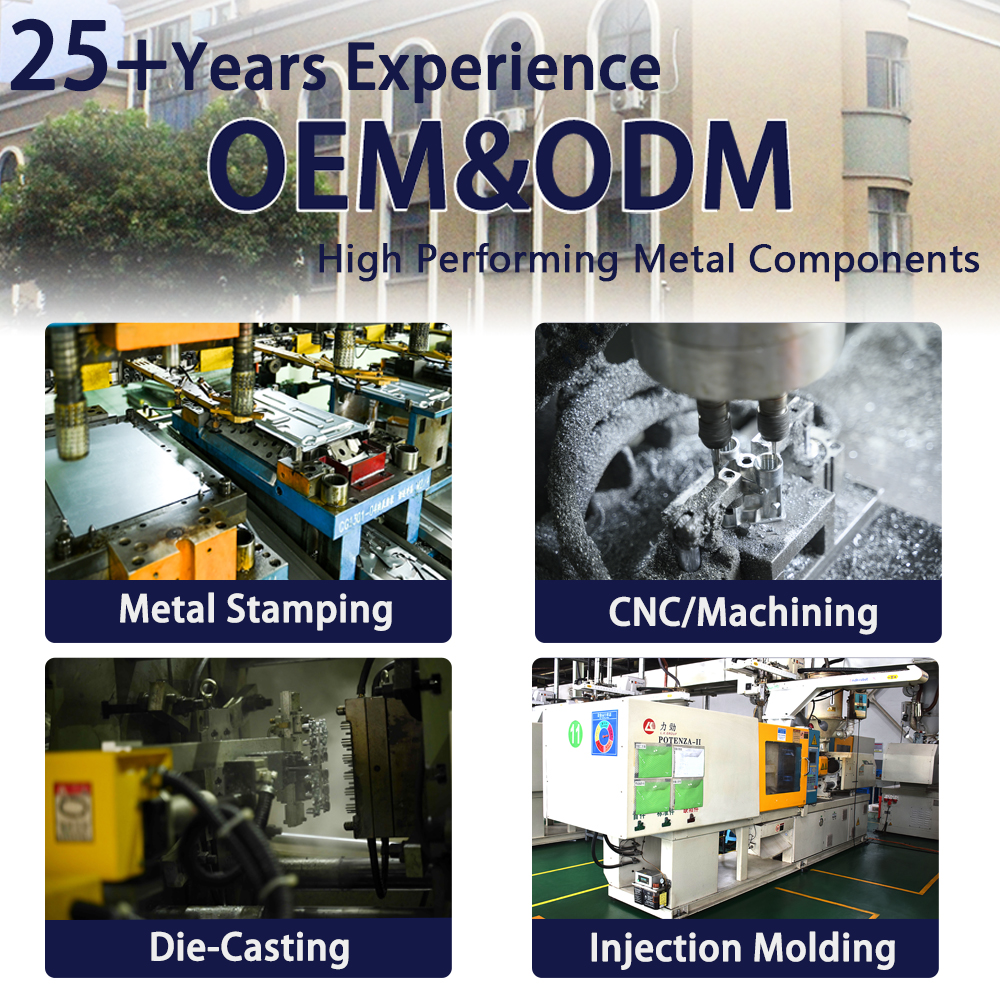
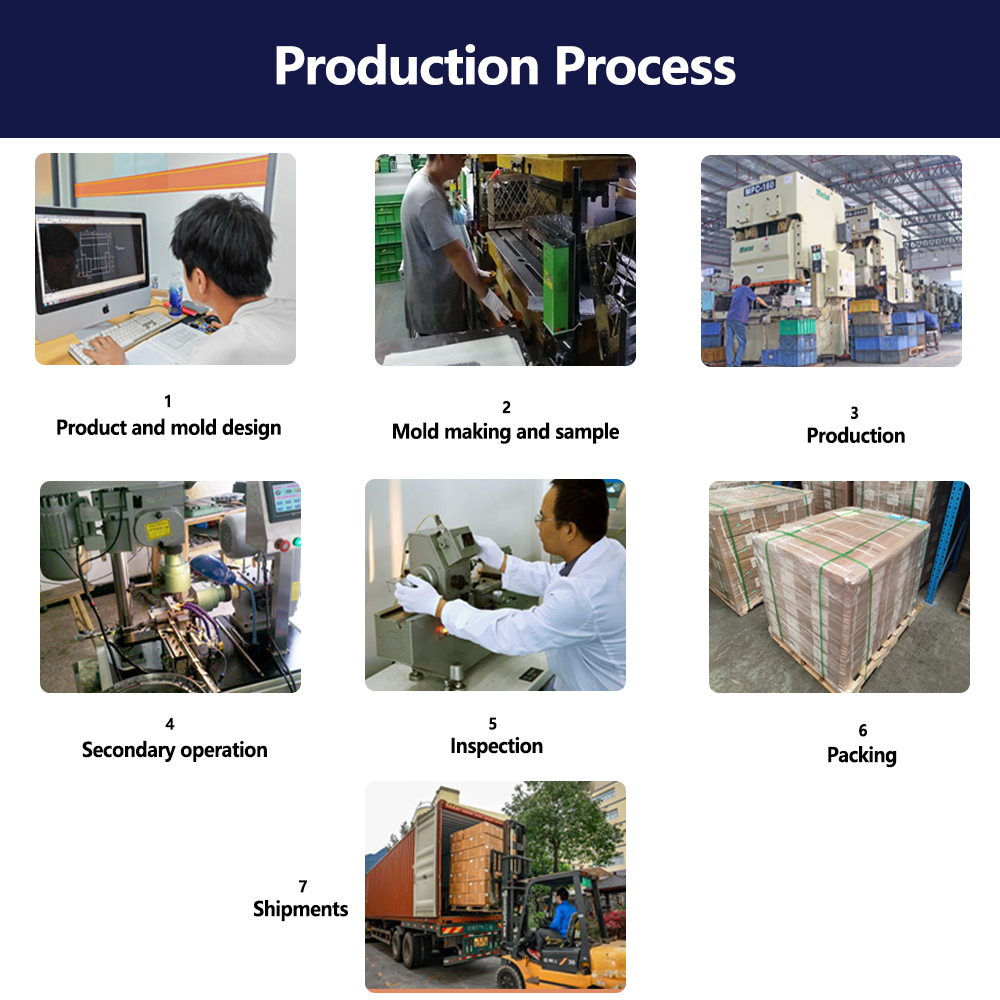
We specialize in the manufacturing of precision metal parts, with a professional design and production team dedicated to providing customers with high-quality, highly consistent metal component solutions. Leveraging advanced progressive stamping die technology, metal drawing processes, and fully automated production lines, we offer one-stop services from design support to mass delivery. Our products are widely used in white goods, automotive parts, and other industrial sectors.
- Overview
- Recommended Products
-
Materials: Primarily utilizes 316L stainless steel (2.5–6.0mm thickness) for its exceptional corrosion resistance, high tensile strength (≥520 MPa), and compatibility with aggressive fluids like hydraulic oil, coolants, and even mild chemicals. Optional materials include 304 stainless steel (for general industrial use) or 6061-T6 aluminum alloy (for lightweight automotive applications where weight reduction is critical). All materials undergo ultrasonic thickness testing and burst pressure verification (withstanding 120+ bar pressure without deformation or leakage).
-
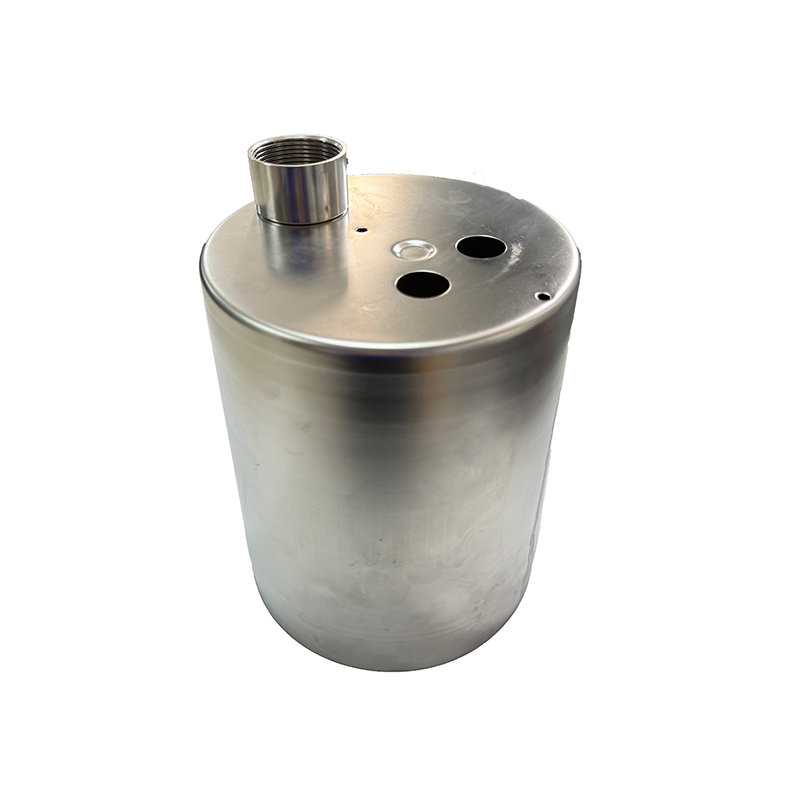
Production Process: Combines deep metal drawing (with 6–9 stages) to form the cylindrical body (ensuring uniform wall thickness and structural uniformity visible in the image) and precision CNC machining for the threaded port, access holes, and mounting features. The drawing process achieves dimensional tolerances of ±0.05mm, while the machining step controls thread accuracy within ±0.01mm. Fully automated production lines integrate these processes, with in-line helium leak testing to verify absolute leak-proof performance.
-
Surface Treatment: Supports electropolishing (for 316L/304 stainless steel variants) to enhance corrosion resistance and surface smoothness (Ra ≤ 0.6μm), bead blasting (for a uniform matte finish in industrial equipment), or passivation (for chemical-resistant environments). The image shows the natural finish of 316L stainless steel, but all surface treatments undergo 150-hour salt spray testing to ensure durability in harsh conditions, including marine and chemical processing environments.
-
Mold Development Cycle: 6 weeks for standard Tensioning Reservoir molds, with expedited 4-week turnaround for modifications to cylinder diameter, wall thickness, port specifications, or hole patterns—essential for aligning with custom system designs and unique application requirements.
-
Sample Delivery Time: 45 days for standard samples; 30 days for modified designs using existing tooling. Samples include a comprehensive test report covering burst pressure (1.8× rated pressure), dimensional conformance (verified against the image’s prototype with ±0.05mm tolerance for the cylinder body and ±0.01mm for the threaded port), and leak testing results.
-
Quality System: Compliant with IATF 16949, with specialized checks for the Tensioning Reservoir: each unit undergoes 100% helium leak testing, dimensional inspection, and visual examination for surface defects or machining errors.
-
Production Advantage: Automated deep drawing and CNC machining lines with AI-powered vision systems inspect every part for wall thickness uniformity, port alignment, surface finish, and dimensional accuracy—ensuring the part in the image is representative of all units produced. This automation achieves a defect rate of <0.03%, far below industry averages for high-pressure containment components.
- Minimum Order Quantity: 1000 pieces for standard configurations; 1000 pieces for custom material/design combinations. Custom orders include a design-for-manufacturability analysis to ensure complex features (like the multi-hole pattern and threaded port in the image) are feasible in high-volume production while maintaining cost efficiency.
-
Ultra-Leak-Proof High-Pressure Performance: The deep-drawn cylindrical body (seen in the image) and precision-threaded port are engineered to maintain absolute integrity under 120+ bar pressure—critical for hydraulic tensioners, fluid reservoirs, and pressure regulation systems in heavy machinery and automotive applications. This eliminates the risk of fluid leakage, reducing operational downtime and maintenance costs by 50% compared to welded or assembled alternatives.
-
Corrosion Resistance & Chemical Compatibility: 316L stainless steel variants (as shown in the image) offer inherent resistance to corrosive fluids, saltwater, and industrial chemicals, making the Tensioning Reservoir ideal for marine, chemical processing, and offshore applications. Electropolished surfaces meet FDA and USP standards for fluid contact in food-grade, pharmaceutical, and medical equipment.
-
Structural Integrity Under Cyclic Loads: The uniform wall thickness (±0.05mm) and reinforced port design ensure the reservoir withstands cyclic pressure loads, mechanical tensioning forces, and vibration—common in automotive engines, industrial machinery, and renewable energy systems. In accelerated life testing, the Tensioning Reservoir survived 20,000+ pressure cycles without fatigue or dimensional degradation.
-
Rapid Customization & Design Flexibility: Our team can modify cylinder dimensions, wall thickness, port types (e.g., switching from BSP to NPT threads), hole patterns, or surface finishes in as little as 4 weeks—enabling clients to adapt the Tensioning Reservoir to new product iterations, such as next-gen electric vehicle fluid management systems or advanced industrial hydraulic components.
- Cost-Effective Scalability: High-speed deep drawing (70+ parts per hour) and automated CNC machining drive down unit costs for large orders. For volumes of 3,000+ pieces, the Tensioning Reservoir’s cost decreases by 25%, making it a competitive choice for both high-margin industrial equipment and mass-market automotive parts.
-
Industrial Hydraulics: Serves as hydraulic tensioner reservoirs (where high-pressure capacity and leak-proof design maintain tension in conveyor systems, cable assemblies, and heavy machinery) and industrial fluid storage tanks (storing hydraulic oil, coolants, or lubricants in manufacturing facilities). Its corrosion resistance ensures reliability in harsh factory environments.
-
Automotive Parts: Deployed as engine oil reservoirs (the precision port and leak-proof design prevent fluid loss under high engine temperatures and vibrations) and transmission fluid pressure regulators (the cylindrical body withstands dynamic loads and thermal expansion). It meets automotive durability standards (200,000+ mile testing).
-
Chemical Processing & Marine: Ideal for corrosive fluid containment vessels (where 316L stainless steel resists acids, bases, and solvents) and maritime fluid tanks (withstanding saltwater exposure in shipboard hydraulic systems and bilge pumps).
-
Renewable Energy: Applied in wind turbine hydraulic tensioning systems (supporting cable tensioning with high-pressure fluid management) and solar panel tracking system components (reliable fluid storage for hydraulic actuators).
-
Other Industries: Utilized in medical device fluid reservoirs (electropolished surfaces meet biocompatibility standards for diagnostic equipment) and aerospace component prototypes (lightweight aluminum variants for fluid management in test systems). Its flexibility in customization, from material to port configuration, makes it suitable for niche high-performance applications.
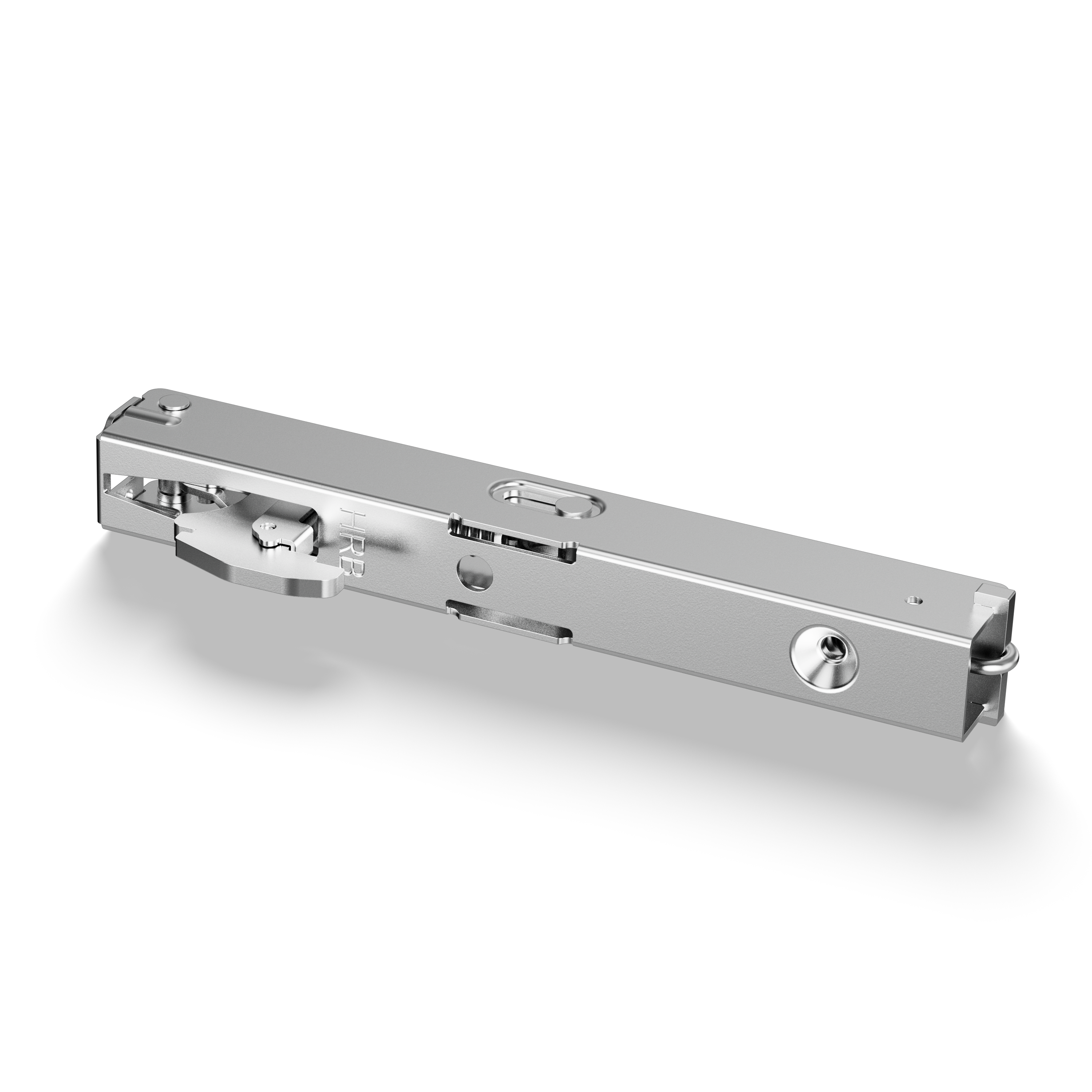
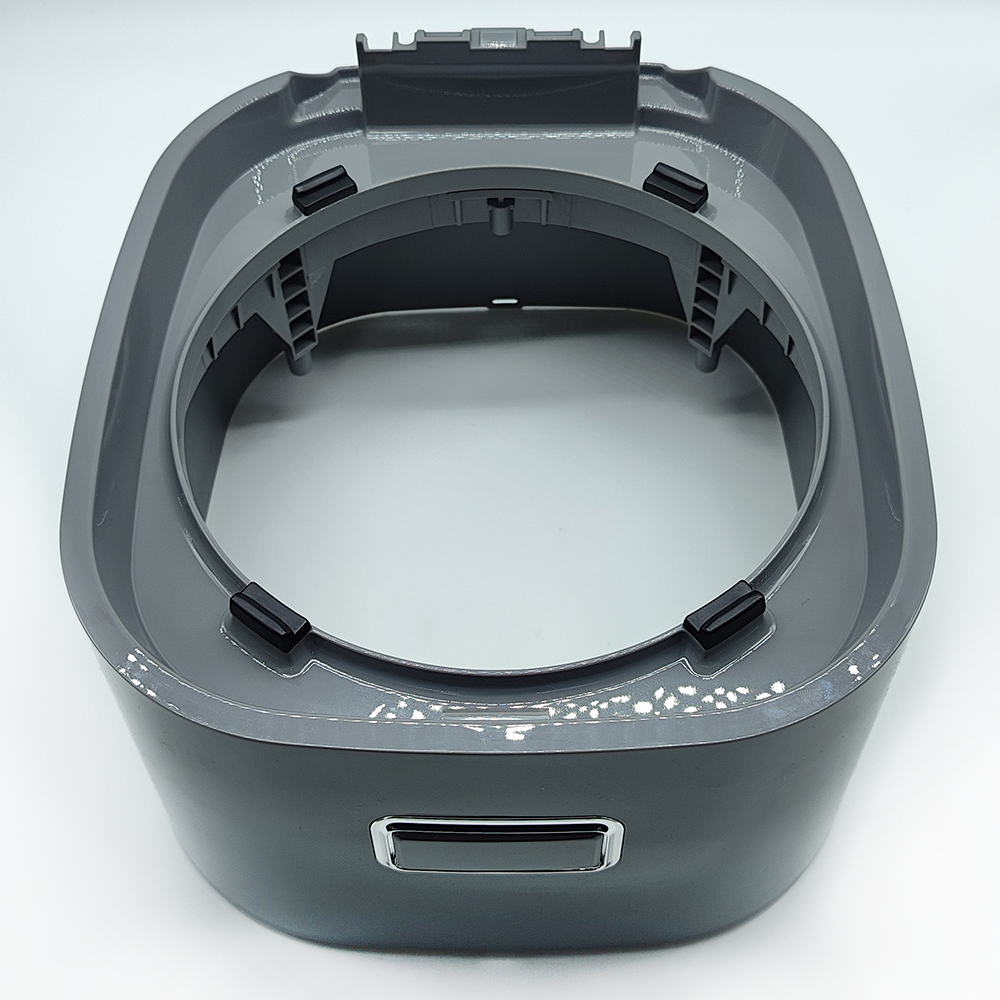
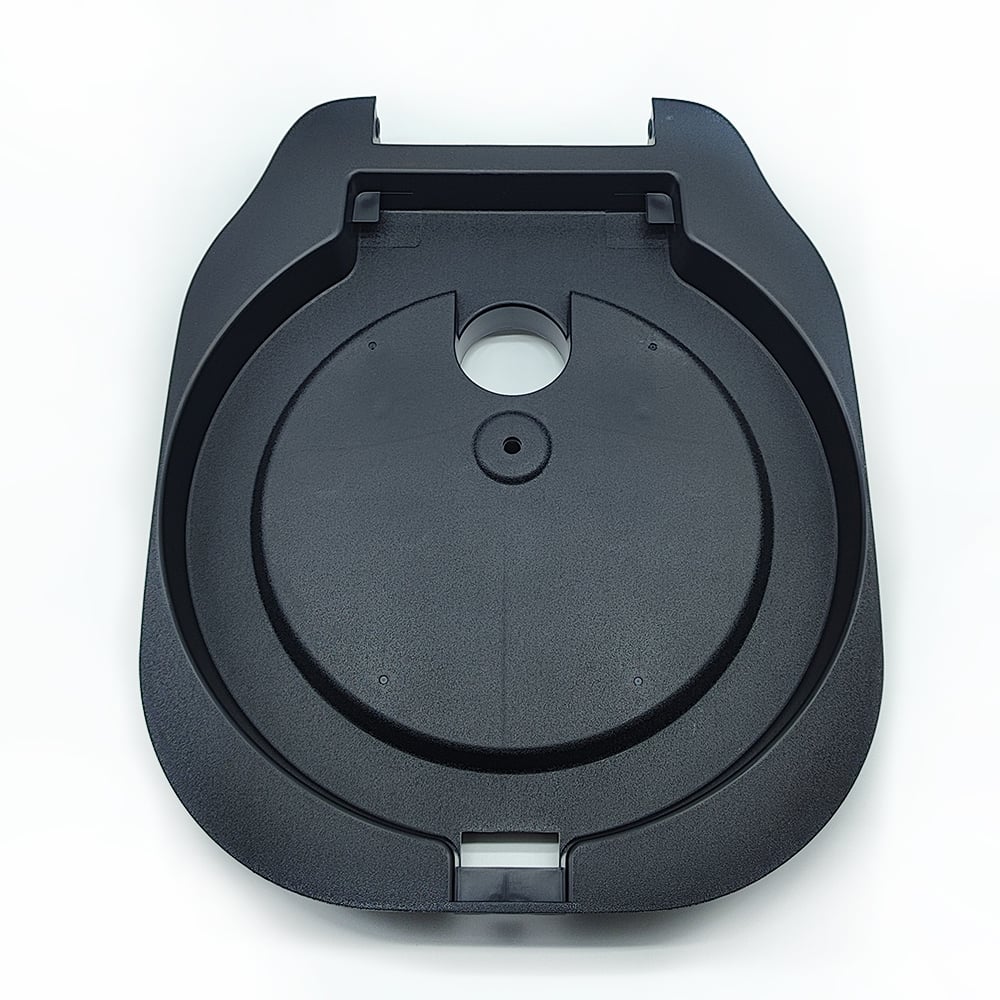
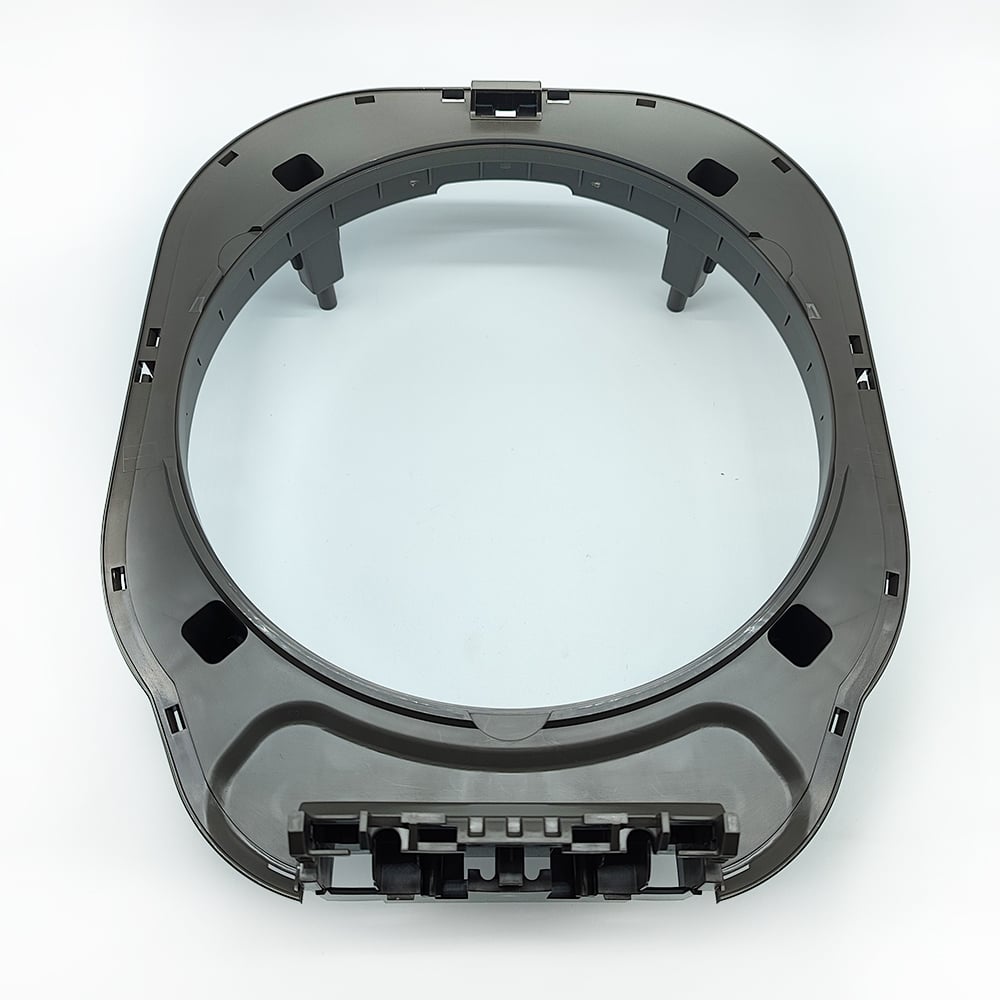
Welcome to our precision metal part solution, the Tensioning Reservoir (Model: Tensioning)—a specialized component engineered for high-pressure fluid storage and mechanical tensioning systems across industrial and automotive sectors. As illustrated in the accompanying image, this reservoir features a seamless stainless steel cylindrical body, a precision-threaded inlet port, and strategically positioned access holes, making it ideal for applications such as hydraulic tensioner reservoirs, industrial fluid containment tanks, and automotive pressure regulation systems. Our engineering team has optimized the Tensioning Reservoir to meet the stringent demands of industries where leak-proof performance, structural integrity, and dimensional precision are critical: the cylinder’s wall thickness is controlled within ±0.05mm, and the threaded port (visible in the image) is machined with ±0.01mm tolerance—essential for maintaining pressure integrity in high-stress, cyclic-load environments. Whether you’re an industrial equipment manufacturer needing reliable fluid storage or an automotive supplier sourcing precision tensioning components, the Tensioning Reservoir delivers a solution that merges complex manufacturing requirements with robust functionality.
The Tensioning Reservoir is tailored for high-pressure fluid management and tensioning applications, with specifications aligned to its role as a precision-engineered containment component (as seen in the image):
The Tensioning Reservoir leverages its precision-engineered design (visualized in the image) to deliver unique advantages:
The Tensioning Reservoir’s precision design (as depicted in the image) makes it a versatile solution across sectors:
In every application, the Tensioning Reservoir’s precision-engineered design—exemplified by the image’s seamless cylindrical body, precision-threaded port, and strategic access holes—sets a new benchmark for parts that demand both high-pressure reliability and adaptability in modern manufacturing.
Q: How long does mold development and sample production take?
A: Mold development takes 6 weeks, and sample delivery is completed within 45 days, ensuring a quick response to customer needs.
Q: What production process do you use?
A: We use progressive stamping dies combined with metal drawing processes for production, ensuring high efficiency, precision, and excellent consistency, particularly suitable for parts with complex geometries.
Q: Do you meet automotive industry quality standards?
A: Yes, we are certified under the IATF 16949 Quality Management System, fully complying with automotive industry quality requirements.
Q: What are the advantages of metal drawing process?
A: The metal drawing process can produce deep thin-walled parts while maintaining uniform wall thickness and excellent surface quality, making it particularly suitable for manufacturing housings and container-type parts.
Q: What industries do your production capabilities cover?
A: We can produce not only metal parts for household appliances but also precision metal parts for automotive components, including both stamped and drawn parts.
Q: Do you support multiple surface treatment options?
A: Yes, we offer various surface treatment options including galvanization, nickel plating, painting, electrophoretic coating, and passivation to meet different application needs.
Q: Is the minimum order quantity negotiable?
A: 1,000 pieces is our standard minimum order quantity. For long-term cooperation or special requirements, we can negotiate flexibly.
Ready to enhance your oven door hinge performance? Contact us now for free technical consultation and a quote! Our engineers and sales team are here to provide professional support.
Email: [email protected]
Tel: 86-15663457251
Choose our reliable oven hinges for your equipment — built strong and precise to support every opening and closing.
Note: This product holds an EU design patent, ensuring unique and proprietary design.