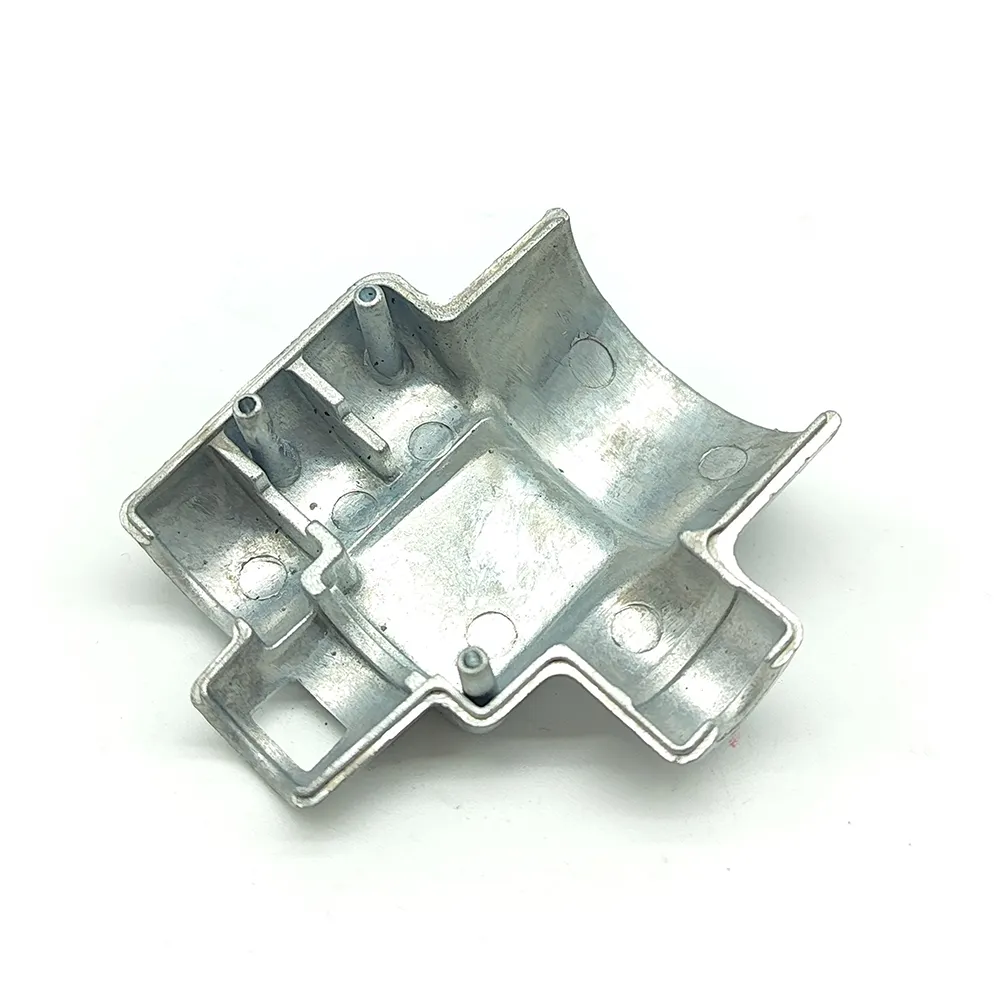
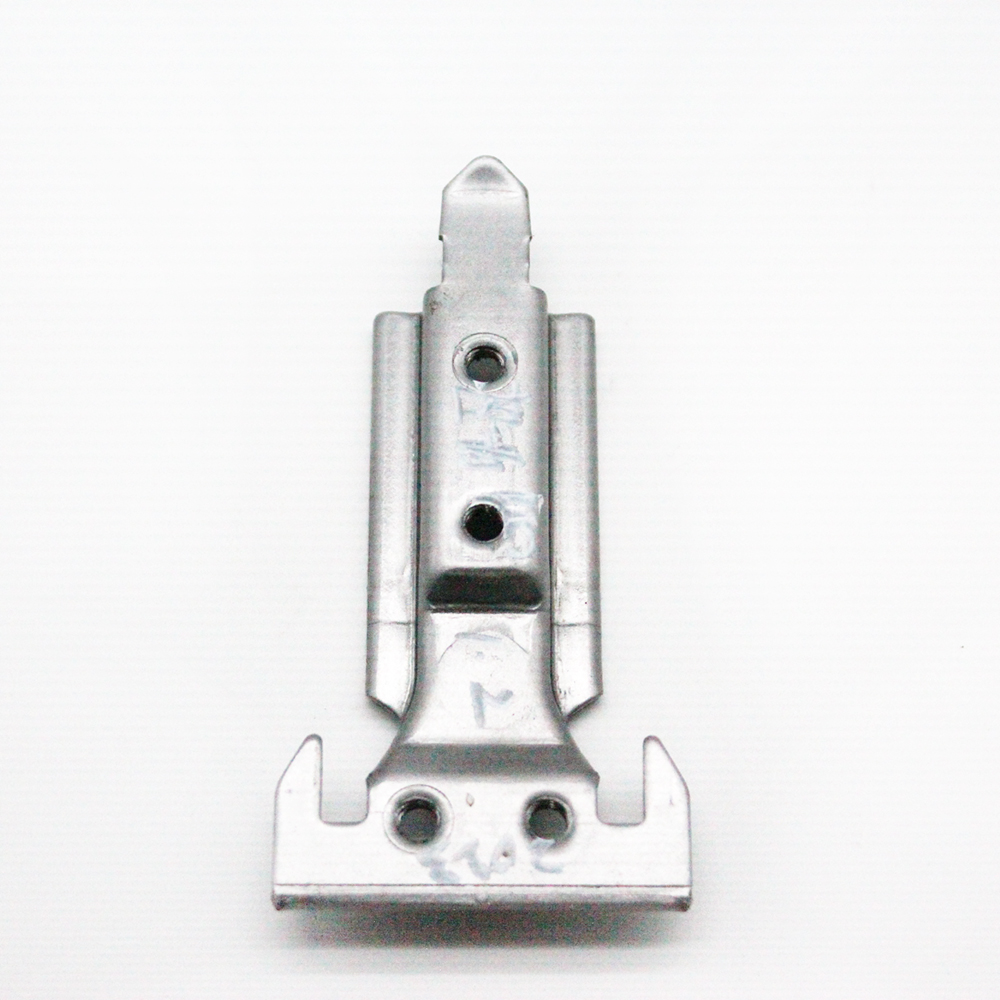
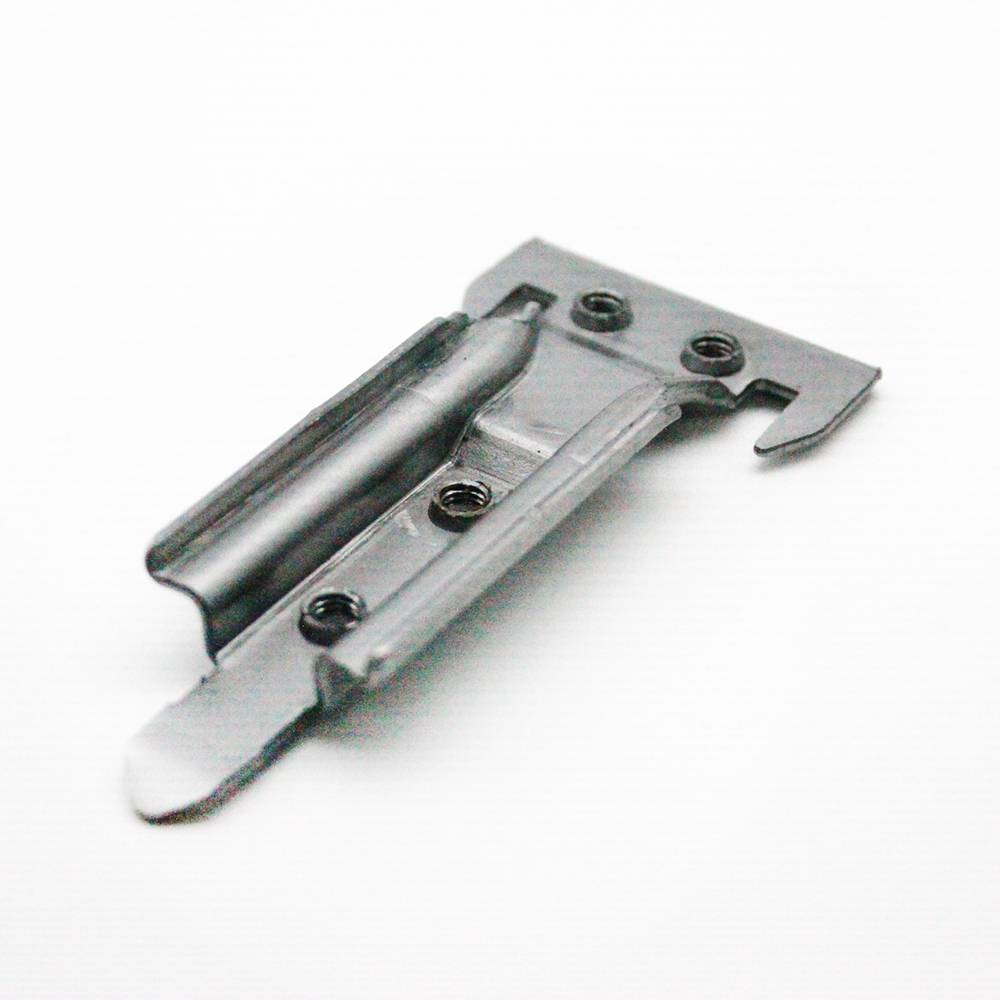
In the world of custom metal fabrication, the processes of anodizing and sheet metal anodizing are essential for improving surface qualities and enhancing the cosmetic appeal of products. Anodizing is an electrochemical process that converts the outer surface of metal—typically aluminum and its alloys—into a durable, corrosion-resistant, and decorative finish. This treatment not only extends the service life of components but also provides a professional, high-end appearance that is highly valued across industries such as automotive, aerospace, consumer electronics, architecture, and medical devices.
At HRB Industries Corporation, we employ anodizing processes to add significant value to our products. Anodizing improves the ability of metals to resist corrosion, wear, and environmental degradation, making them ideal for both indoor and outdoor applications. Additionally, the porous nature of the anodic oxide layer allows for the absorption of dyes, enabling consumers to choose from multiple colors to meet their specific branding and design needs. Whether a client requires clear anodizing for a natural metallic look or vibrant colored finishes for product differentiation, we deliver consistent, high-quality results.
The anodizing process begins with thorough surface preparation. All previous coatings, surface contaminants, oils, and corrosion products must be completely removed from the metal surface through a series of cleaning, degreasing, and etching steps. This ensures that the anodic oxide layer grows uniformly and adheres strongly to the substrate. The metal is then immersed in an anodizing bath containing an electrolytic solution—typically sulfuric acid—where a controlled electrical current is applied. This causes the growth of a protective anodic oxide layer with precisely controlled thickness and porosity.
After the desired oxide layer is achieved, the metal undergoes sealing to close the pores and lock in the dye (if applied), further enhancing corrosion resistance and durability. The properties of the anodic oxide layer—including hardness, thickness, and color—are carefully monitored to meet specific application requirements.
Our engineers, educated at top institutions, actively work on continuous process improvements to achieve their visions of efficiency, quality, and sustainability. They refine chemical formulations, optimize current densities, and implement advanced monitoring systems to ensure consistent, repeatable results. A rigorous quality control system, paired with our ISO 9001:2008 certification, guarantees that every anodized product meets the highest industry standards. At HRB Industries, anodizing is not just a process—it is a commitment to quality, durability, and customer satisfaction.

 EN
EN