
 EN
EN
Why Choose Custom Injection Molding Over Stock Enclosures
When a product design needs a plastic housing, the fastest option is an off-the-shelf enclosure from a catalog. The trade-off is that a stock box rarely matches your board layout, your mounting holes, your vents, or your brand. Custom injection molding exists to close that gap: you design the housing around the product, and a molder builds a tool to produce exactly that part. Engineers and sourcers weigh custom injection molding when three things matter: fit, function, and total cost over the product life. If any of those three are compromised by a stock part, custom injection molding is worth the tooling investment. That is the short answer to why a growing number of sourcing teams look at custom injection molding for their enclosures first.
Injection Molding Enclosures: From Rice Cookers to Chassis
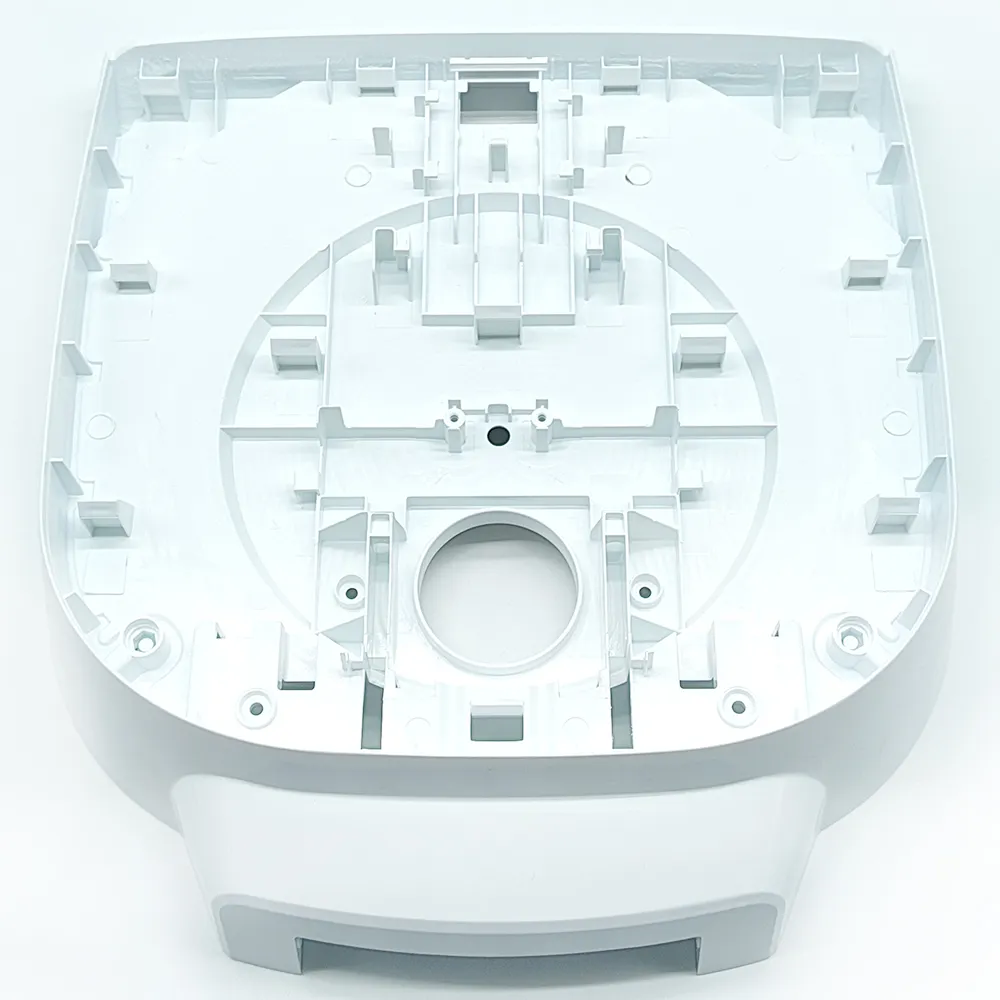
Many custom injection molding projects start with an enclosure. Typical examples include a rice cooker housing and a chassis or enclosure housing for electronic equipment. An injection molding enclosure is more than a cover: it has to hold internal components, support mechanical fasteners, manage airflow, and survive everyday handling. Molders that run custom injection molding routinely support automotive, home appliance, agricultural machinery, and medical device customers, because each sector brings different requirements for impact, temperature, and appearance. When you source custom plastic enclosures, the part is molded as one piece from a tool designed around your geometry, which removes the seams, gaps, and tolerance stacks that appear when you adapt a stock box. That single-piece construction is often the deciding factor in choosing custom injection molding.
Insert Molding vs Overmolding: When to Use Each
Two custom injection molding processes deserve attention during specification: insert molding and overmolding. Insert molding places a pre-made component, usually a metal insert or a threaded nut, into the mold before the plastic is injected, so the metal becomes part of the finished plastic part in a single cycle. It is the right choice when you need a load-bearing thread, a bushing, or an electrical contact embedded in the housing. Overmolding injects a second plastic layer over a first part, typically a soft grip or a sealing lip over a rigid base. Both are part of a full custom injection molding service, but they solve different problems: insert molding adds a functional element, while overmolding adds a surface or interface. The difference between insert molding and overmolding affects tooling cost and cycle time, so discuss it early. Asking your molder which of the two fits your design is a normal part of any custom injection molding quotation.
What to Check Before You Order Custom Plastic Enclosures
Before you commit tooling budget to custom injection molding, review the design for a few practical points. Wall thickness should stay as uniform as possible to avoid sink marks; ribs and bosses need proper depth; draft angles help ejection. Then decide the material class, such as ABS, PC, or a blend, based on impact and temperature requirements for custom injection molding. Ask for a mold flow review if the part is large, because filling and cooling behavior affect warpage. Confirm how the molder will handle surface finish, because texture and color on custom plastic enclosures are set at the tool stage and are expensive to change later. Finally, clarify who owns the tool and what the maintenance terms are. These checks are standard practice in custom injection molding projects, and they protect both cost and schedule.
A Practical Sourcing Scenario: Enclosure Redesign
Consider an anonymous example from a home appliance program. A manufacturer used a standard off-the-shelf chassis to house a controller board, then paid a second supplier to machine cutouts for connectors, vents, and a display window. The added operations raised cost and created a tolerance stack between the stock box and the board. The team switched to custom injection molding for the chassis enclosure. The injection molding enclosure redesign produced the cutouts in one shot, integrated mounting bosses for the board, and cut the part count from three pieces to one. The prototype was checked for insert alignment, and the first articles were reviewed against the drawing before production. The tooling cost was significant, but per-part cost dropped and assembly time fell, which is the usual trade-off when you move from a modified stock part to custom injection molding.
PPAP, Lead Time and the Warehouse Question
Custom injection molding introduces documents and lead times that stock parts do not have. One item worth asking for is PPAP, the production part approval process package, which verifies that the molded part meets the drawing before volume production. A supplier that can deliver PPAP for your custom injection molding program quickly shortens your time to market; some molders complete the PPAP cycle in about 12 days. You should also check the shipping point. For buyers outside the supplier's country, a four-to-six-week ocean lead time can be the difference between hitting a launch date and missing it. A supplier with a US warehouse can hold molded inventory closer to your assembly line. HRB Industries Group is one example of this model; it added a US warehouse in 2003. None of this replaces good design or a solid drawing, but PPAP turnaround and warehouse location are practical items to put on your custom injection molding checklist.
Frequently Asked Questions
Q: What is custom injection molding?
A: Custom injection molding is a manufacturing process where a mold is built around your part design and molten plastic is injected into the cavity under pressure to produce the part in repeated cycles. The tool is custom, so the part geometry, material, and features follow your drawing.
Q: What is the difference between insert molding and overmolding?
A: Insert molding places a pre-made metal or plastic component inside the mold before injection during custom injection molding, embedding it in the finished part. Overmolding injects a second plastic layer over an existing part to add grip, sealing, or cushioning. Choose insert molding to add functional elements and overmolding to add a surface layer.
Q: Is custom injection molding worth it for small production runs?
A: It depends on your volume and tooling budget. If you need a custom plastic enclosure that no stock product matches, custom injection molding avoids the cost of modifying stock parts at volume. Work through the tooling cost, per-part price, and assembly savings to decide.
Table of Contents
- Why Choose Custom Injection Molding Over Stock Enclosures
- Injection Molding Enclosures: From Rice Cookers to Chassis
- Insert Molding vs Overmolding: When to Use Each
- What to Check Before You Order Custom Plastic Enclosures
- A Practical Sourcing Scenario: Enclosure Redesign
- PPAP, Lead Time and the Warehouse Question
- Frequently Asked Questions

