
 EN
EN
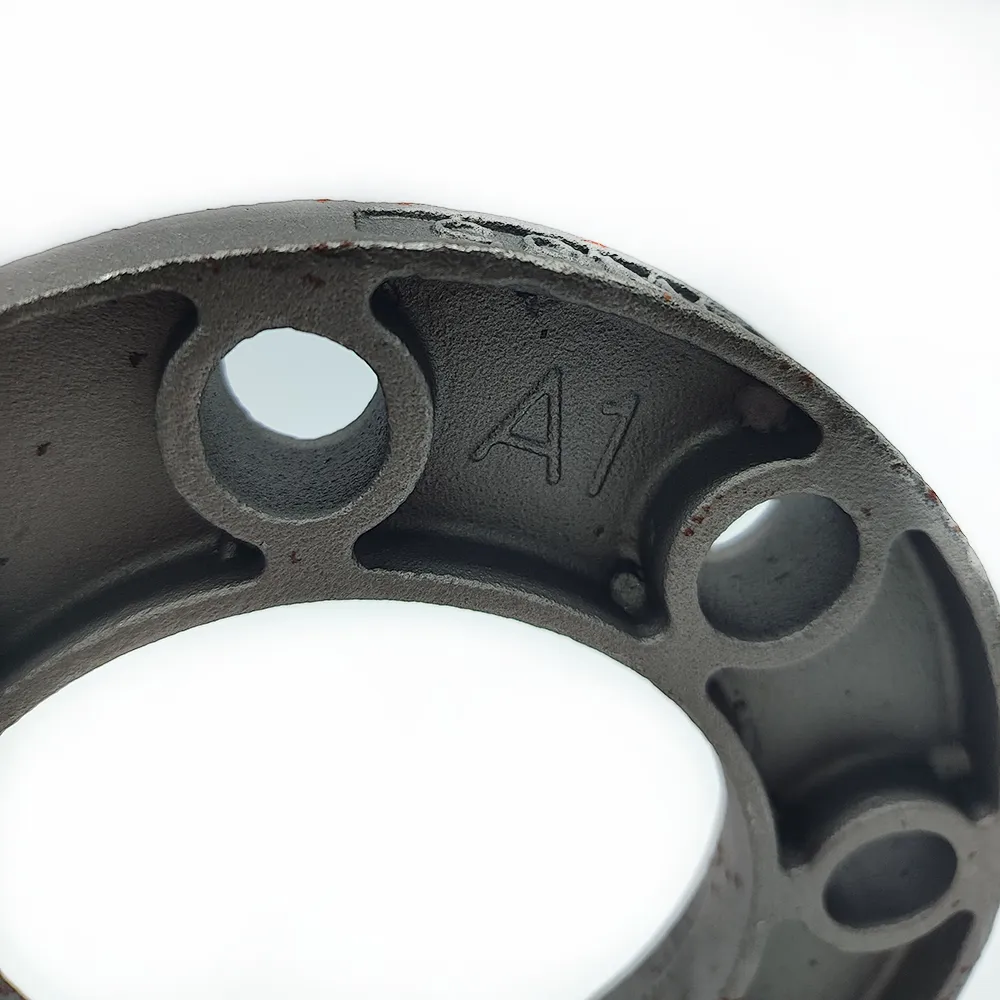
Understanding the Importance of Aluminum Die Casting Surface Finish in Modern Manufacturing
As a veteran in the custom metal fabrication industry since 1998, HRB Industries Group has seen firsthand how the final touch on a component can define its success in the market. In the realm of high-precision manufacturing, the aluminum die casting surface finish is much more than a cosmetic choice; it is a critical engineering decision that affects the part’s durability, corrosion resistance, and functional performance. Whether you are developing complex water pump housings or delicate home appliance components, the choice of finish dictates how the product will withstand environmental stressors like moisture, heat, and friction. Our engineering team, which has delivered over 38 million products with a 0 PPM (parts per million) defect rate, emphasizes that selecting the right finish during the Design for Manufacturing (DFM) stage is the most cost-effective way to ensure long-term reliability.
Mechanical Finishes: The Foundation of Surface Quality
The first step in achieving a superior aluminum die casting surface finish often involves mechanical processes such as sandblasting, shot blasting, or vibratory deburring. These methods are essential for removing "flash"—the excess metal that escapes between die halves—and smoothing out parting lines. At our ISO 9001 certified facilities, we utilize shot blasting to create a uniform, matte texture that not only improves the aesthetic of industrial parts but also provides the necessary "tooth" for subsequent coatings to adhere to. For premium consumer goods, mechanical polishing can elevate a raw casting to a mirror-like shine. Based on our experience with global brands like John Deere, we’ve found that a well-executed mechanical pre-treatment significantly reduces the failure rate of decorative topcoats.
Anodizing: Superior Protection and Aesthetic Versatility
Anodizing is perhaps the most popular electrochemical option for aluminum die casting surface finish. By creating a controlled oxide layer on the surface, anodizing provides exceptional corrosion resistance and surface hardness. We offer three primary types: Type I (Chromic Acid) for thin-film aerospace applications, Type II (Sulfuric Acid) for standard decorative and protective needs, and Type III (Hard Anodizing) for extreme wear resistance. For example, when manufacturing automotive air conditioning valves, we often recommend Type III anodizing to ensure the components can withstand constant thermal cycling without degradation. The porous nature of the anodic layer also allows for vibrant dyeing, making it a favorite for consumer electronics where branding and color consistency are paramount.
Powder Coating and Painting: Durable Solutions for Harsh Environments
For parts destined for outdoor use or heavy-duty machinery, powder coating is an unbeatable aluminum die casting surface finish. Unlike traditional liquid paint, powder coating involves electrostatically applying a dry powder that is then cured under heat to form a "skin." This finish is significantly more resistant to chipping, scratching, and UV fading. In our work with agricultural equipment manufacturers, we frequently apply high-durability powder coatings to rotary hoe parts, ensuring they remain protected even in abrasive soil conditions. While liquid painting offers a wider range of colors and thinner films, powder coating remains our go-to recommendation for clients seeking a balance between high-quality aesthetics and rugged environmental protection.
Electroplating and Chemical Conversion: Enhancing Functionality
When a project requires specific electrical properties or a high-end metallic look (like chrome), electroplating is the preferred aluminum die casting surface finish. This process involves depositing a thin layer of another metal—such as nickel, chrome, or tin—onto the aluminum substrate. For electronic connectors, we might use gold or silver plating to maximize conductivity. Conversely, for projects where cost-efficiency and corrosion protection are the only requirements, Chromate Conversion Coating (often called Chem Film) is a stellar choice. It provides a protective barrier without adding significant thickness, which is crucial for maintaining the tight tolerances we achieve in our CNC machining division.
Choosing the Right Finish for Your Application
Navigating the various aluminum die casting surface finish options can be complex, but it is a journey we take alongside every client. At HRB Industries Group, our "Black Belt" quality team and experienced engineers work to match your specific industry standards—be it automotive (TS-16949), medical, or home appliances—with the most appropriate finishing technology. We don't just provide a service; we provide a vertically integrated solution from initial casting to final assembly and U.S.-based warehousing. By considering factors like environment, budget, and desired lifespan, we help you select a finish that not only looks professional but performs flawlessly in the field.
Table of Contents
- Understanding the Importance of Aluminum Die Casting Surface Finish in Modern Manufacturing
- Mechanical Finishes: The Foundation of Surface Quality
- Anodizing: Superior Protection and Aesthetic Versatility
- Powder Coating and Painting: Durable Solutions for Harsh Environments
- Electroplating and Chemical Conversion: Enhancing Functionality
- Choosing the Right Finish for Your Application

