
 EN
EN
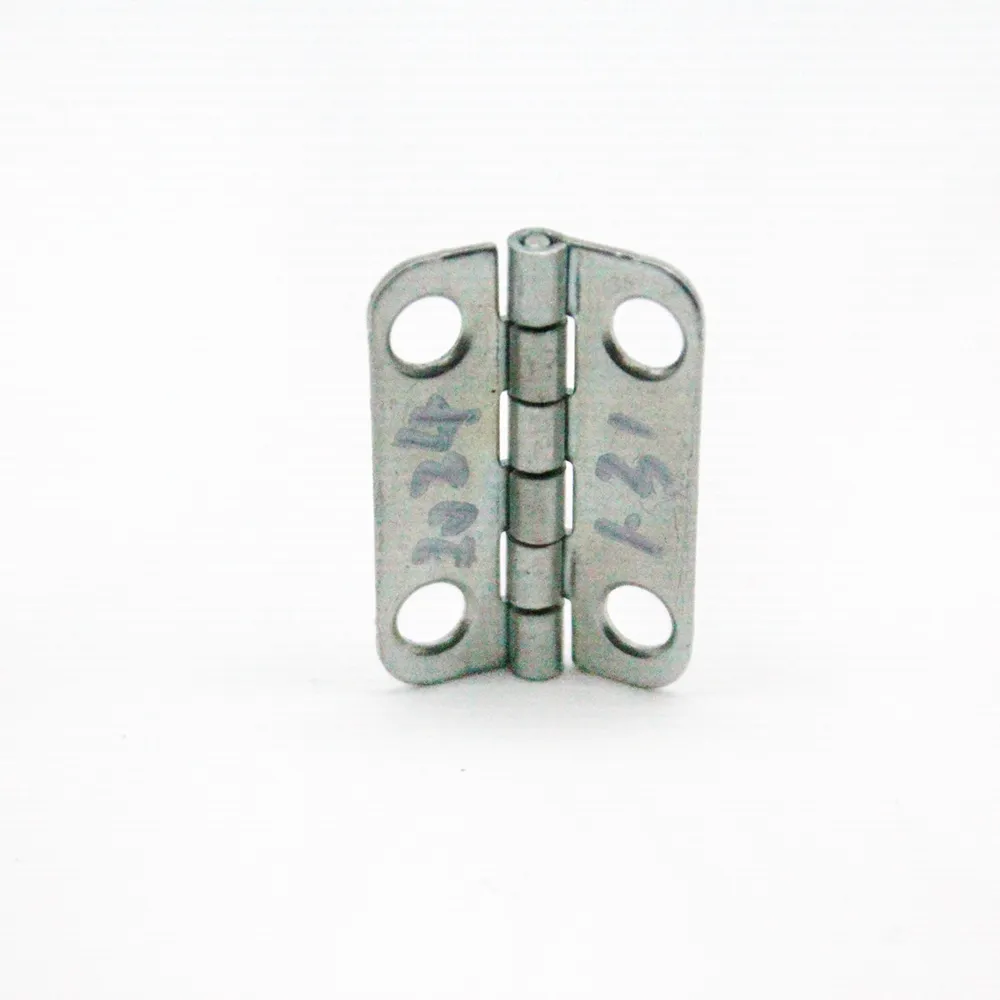
Why Use Stamping for Prototype Parts
Custom metal stamping prototyping gives engineers a practical way to validate form, fit, and function before committing to full production tooling. For product teams working on brackets, contacts, shields, clips, or housings, custom metal stamping prototyping bridges the gap between a CAD model and a production-ready part without the cost and lead time of a progressive die. The key is understanding when stamping is the right prototyping method, how prototype tooling differs from production tooling, and what quality checkpoints, such as burr inspection and dimensional verification, should accompany the first articles. This guide explains how to use custom metal stamping prototyping effectively, what to specify when requesting prototype parts, and how to evaluate suppliers who can move from prototype to production without retooling from scratch. When the final production process will also be stamping, custom metal stamping prototyping is the most representative and cost-effective validation path available to engineers.
When to Choose Stamping for Prototyping
Custom metal stamping prototyping is most useful when the final production process will also be stamping. If the end goal is a stamped part, prototyping with the same process gives engineers realistic material behavior, springback data, and tolerance feedback that 3D printing or machining cannot replicate. For simple geometries in thin gauge steel, aluminum, or copper alloys, custom metal stamping prototyping can produce first articles in days rather than weeks. It is less suitable for very complex geometries that require deep drawing or multi-stage forming, where the prototype die would need to approximate the production die closely. Engineers should also consider volume: if the prototype run needs only ten pieces, machining or laser cutting may be more economical, but if the run needs several hundred to a few thousand pieces for testing and pilot assembly, custom metal stamping prototyping becomes the clear choice. The goal is to match the prototype process to the production process so that the data from custom metal stamping prototyping transfers directly into the production die design.
Prototype Die vs Production Progressive Die
The distinction between a prototype die and a production progressive die is central to custom metal stamping prototyping. A prototype die, sometimes called a single-stage or compound die, is designed for shorter runs, simpler maintenance, and faster fabrication. It may not include all the features of the production die, such as in-die sensing or multi-stage progression, but it produces parts that are dimensionally and functionally representative. A production progressive die, by contrast, is engineered for high volume, long life, and tight tolerances across millions of cycles. The advantage of custom metal stamping prototyping with a prototype die is that the data from the prototype run, including springback measurements and formability limits, can directly inform the production die design. Some suppliers with in-house tooling capability can build the prototype die and later upgrade it into a progressive die, reducing the transition time between custom metal stamping prototyping and full production. The comparison table below summarizes the key differences between prototype and production dies.
Specifying Quality Checkpoints for Prototype Stamped Parts
Quality control during custom metal stamping prototyping is often treated as optional, but it should not be. Even at the prototype stage, engineers should define acceptance criteria for burrs, dimensional accuracy, and surface defects. Burr height is a common checkpoint; automated inspection systems can detect burrs as small as 0.03 mm, and controlling burr height early prevents it from worsening in production. Dimensional verification should cover critical features such as hole positions, bend angles, and overall flatness. If the prototype part will be used in functional testing, surface defects that could affect corrosion resistance or fatigue life should be scanned and documented. By establishing these checkpoints during custom metal stamping prototyping, engineers create a quality baseline that carries forward into the production PPAP process. This disciplined approach also helps suppliers understand expectations before they invest in production tooling, reducing the risk of costly rework during the custom metal stamping prototyping to production transition.
Practical Prototyping Scenario: Developing a Metal Bracket for an Appliance Assembly
Consider an engineering team developing a mounting bracket for a home appliance housing. The bracket needs to hold a small motor at a precise angle and survive vibration testing. The team chooses custom metal stamping prototyping because the production volume target of 50,000 pieces per year justifies a progressive die, and they want to validate the material choice and bend geometry before committing to production tooling. The supplier builds a single-stage prototype die in-house, stamps 200 first articles, and provides dimensional inspection reports and burr measurements. The prototype parts reveal that the bend radius causes more springback than the CAD model predicted, so the team adjusts the die compensation before the production die is built. Because the supplier maintains a US warehouse established in 2003 to address overseas shipping lead times that typically run four to six weeks, the prototype parts arrive within days rather than weeks. This scenario shows how custom metal stamping prototyping with an integrated supplier can de-risk a program before the production investment. The supplier serves industries including automotive, home appliances, agricultural machinery, and medical devices, which means the prototype process benefits from cross-industry process knowledge.
Moving from Prototype to Production
The transition from custom metal stamping prototyping to full production should be planned from the start. Engineers should confirm that the prototype supplier has the capability to build and maintain production tooling, not just prototype tooling. In-house tooling capability is a strong indicator, because it means the supplier controls die design, fabrication, maintenance, and modification under one roof. The PPAP process is the formal bridge between prototype and production. A supplier that can complete PPAP in twelve days rather than six weeks gives engineers a shorter validation cycle, which is especially valuable when the prototype has already revealed design changes that need to be locked in. Industries served by the supplier also matter; a supplier experienced in automotive, home appliances, agricultural machinery, and medical devices brings cross-industry process knowledge that improves both the custom metal stamping prototyping phase and the production die. When the supplier offers multiple manufacturing processes alongside stamping, such as CNC machining and injection molding, engineers can prototype complementary components in parallel, further compressing the development timeline.
Cost and Lead Time Considerations for Prototype Stamping
Cost and lead time are the practical constraints that shape most custom metal stamping prototyping decisions. A prototype die costs a fraction of a production progressive die because it uses simpler construction and fewer stages. Lead time for a prototype die can be as short as one to two weeks if the supplier has in-house tooling, while a production progressive die may take six to eight weeks. Engineers should also factor in the cost of inspection and PPAP. While the prototype run itself may seem inexpensive, the value of catching a design error at the prototype stage, before the production die is cut, is often ten to twenty times the cost of the prototype tooling. Custom metal stamping prototyping is therefore not just a cost center but a risk management tool that protects the larger production investment. A supplier with a US warehouse that reduces overseas shipping from four to six weeks to days can further improve prototype iteration speed, making custom metal stamping prototyping a faster and more responsive process for engineering teams under schedule pressure.
Q: Is custom metal stamping prototyping suitable for low-volume parts?
A: Yes, if the production process will also be stamping and the volume is in the hundreds to low thousands. For very small quantities under fifty pieces, laser cutting or machining may be more economical, but custom metal stamping prototyping gives more realistic material and tolerance data.
Q: How long does a prototype die typically last?
A: A prototype die is designed for shorter runs and may last several thousand to tens of thousands of strokes depending on material and complexity. It does not need to match the millions of cycles expected from a production progressive die, which keeps fabrication time and cost lower.
Q: Can a prototype die be converted into a production die?
A: In many cases, yes, especially if the supplier has in-house tooling capability. The prototype die may serve as the basis for the production die, with additional stages or features added as volume demands. This approach shortens the transition from custom metal stamping prototyping to full production.
Table of Contents
- Why Use Stamping for Prototype Parts
- When to Choose Stamping for Prototyping
- Prototype Die vs Production Progressive Die
- Specifying Quality Checkpoints for Prototype Stamped Parts
- Practical Prototyping Scenario: Developing a Metal Bracket for an Appliance Assembly
- Moving from Prototype to Production
- Cost and Lead Time Considerations for Prototype Stamping

