
 EN
EN
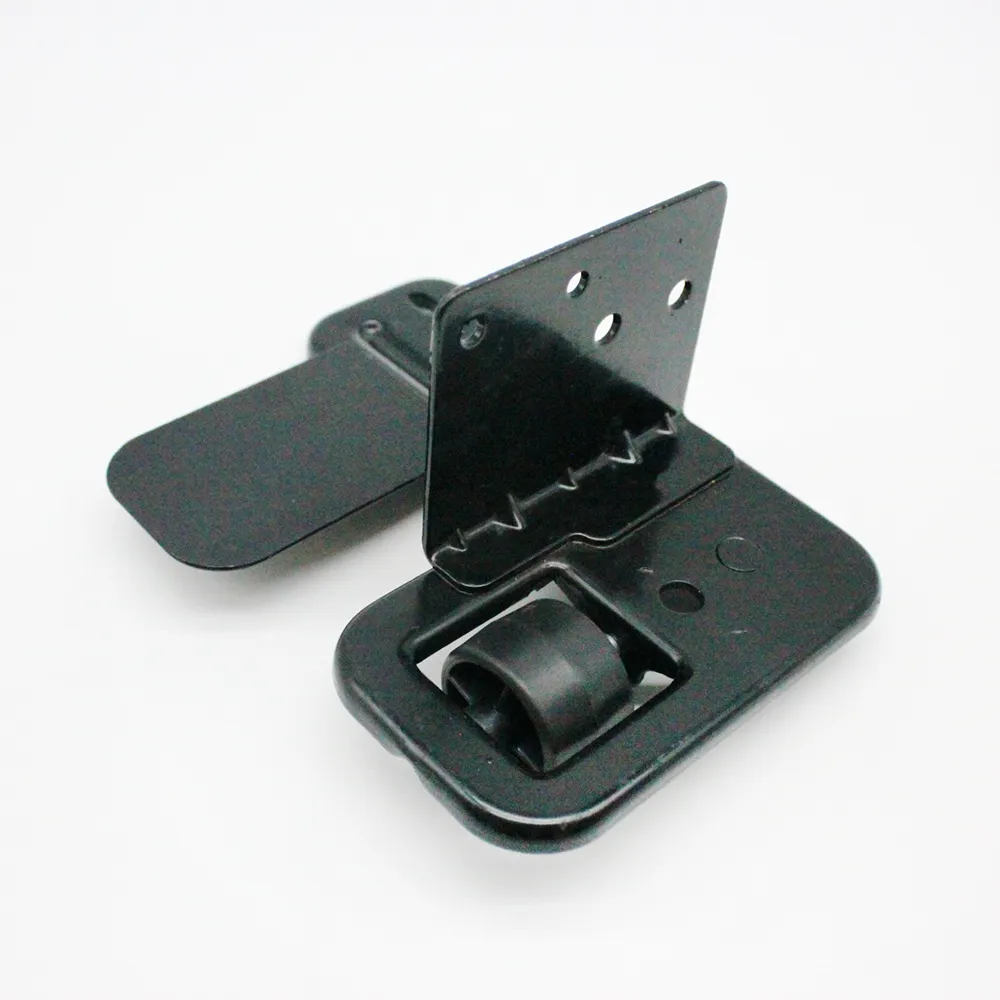
What Is Precision Custom Metal Stamping?
Precision custom metal stamping is a highly efficient manufacturing process used to create complex metal components with tight tolerances and consistent quality. It involves shaping flat metal sheets—such as steel, aluminum, brass, or copper—through specialized dies and high-precision stamping presses. This process can produce thousands or even millions of identical parts with exceptional accuracy.
In industrial manufacturing, precision custom metal stamping is widely used in industries such as automotive, electronics, appliances, construction equipment, and industrial machinery. Components like brackets, connectors, housings, terminals, and structural parts are commonly produced through this process.
From my experience working with manufacturing suppliers and reviewing projects across various industries, many engineers choose precision custom metal stamping when they need high-volume production with reliable dimensional accuracy. Compared with machining or casting, the process is faster, more repeatable, and significantly more cost-effective for large production runs.
Companies like HRB Industries Group specialize in providing custom metal stamping solutions tailored to customer requirements. Their engineering teams often work directly with clients to optimize part design, select appropriate materials, and ensure production efficiency from prototyping to mass manufacturing.
High Precision and Consistent Product Quality
One of the main reasons manufacturers choose precision custom metal stamping is the ability to achieve extremely tight tolerances and repeatable quality. Modern stamping equipment uses advanced tooling, computer-controlled presses, and precision dies to maintain consistent measurements across thousands of parts.
In industries such as automotive and electronics, even minor dimensional deviations can cause assembly failures or performance issues. Precision custom metal stamping ensures each part meets strict specifications, making it ideal for components that must integrate perfectly with other systems.
According to industry research from organizations such as the Precision Metalforming Association (PMA), stamping processes can achieve tolerances within fractions of a millimeter when properly engineered. This level of accuracy helps reduce defects, improve assembly efficiency, and enhance overall product reliability.
Manufacturers like HRB Industries Group often combine stamping with additional processes—such as bending, forming, or surface finishing—to deliver fully finished parts ready for assembly. This integrated approach ensures consistency while reducing the need for secondary machining.
Cost Efficiency for High-Volume Production
Another significant advantage of precision custom metal stamping is its cost efficiency, particularly for large production volumes. Once the stamping dies are designed and installed, the manufacturing process becomes extremely fast and repeatable.
A single stamping press can produce hundreds or even thousands of parts per hour, dramatically lowering the cost per unit compared to machining processes. While tooling development may require an initial investment, the long-term savings become substantial when producing large quantities.
In real manufacturing scenarios, companies that transition from CNC machining to precision custom metal stamping often reduce production costs by 30–60% for suitable parts. The reduction comes from faster production speeds, less material waste, and fewer manual operations.
HRB Industries Group helps customers evaluate whether their parts are suitable for precision stamping and can recommend design adjustments that further reduce material consumption and tooling wear, improving overall cost efficiency.
Design Flexibility and Complex Part Geometry
Many people assume stamping only works for simple shapes, but modern precision custom metal stamping can produce surprisingly complex geometries. With progressive dies, manufacturers can perform multiple operations—such as punching, bending, embossing, and forming—within a single production cycle.
This capability allows engineers to integrate several manufacturing steps into one process. For example, a metal bracket may require holes, curves, structural ribs, and mounting features. Precision custom metal stamping can create all of these elements simultaneously without additional machining.
From a design perspective, this flexibility helps reduce part count, simplify assemblies, and improve structural integrity. Engineers can design lighter, stronger components that still meet mechanical requirements.
Experienced stamping manufacturers like HRB Industries Group often assist customers during the design stage. By applying Design for Manufacturability (DFM) principles, they help ensure the part geometry works efficiently with stamping processes while maintaining the desired mechanical performance.
Wide Range of Material Options
Precision custom metal stamping supports a wide variety of materials, allowing manufacturers to choose the most suitable metal for their application. Common materials include stainless steel, carbon steel, aluminum alloys, brass, copper, and specialty metals.
Each material provides different mechanical properties such as strength, corrosion resistance, electrical conductivity, or heat resistance. For example:
-
Stainless steel is commonly used for corrosion-resistant industrial components.
-
Aluminum offers lightweight performance for automotive and aerospace applications.
-
Copper and brass are ideal for electrical connectors due to their conductivity.
Through my observations in manufacturing supply chains, selecting the right material often determines the long-term durability of stamped components. Experienced manufacturers evaluate not only the mechanical properties but also how the material behaves during stamping operations.
HRB Industries Group typically works closely with clients to recommend materials that balance performance, cost, and manufacturability. Their technical teams can also provide surface treatments such as plating, anodizing, or powder coating to enhance durability.
Faster Production and Shorter Lead Times
Speed is another major reason companies choose precision custom metal stamping. Compared with many other metal fabrication methods, stamping can produce parts extremely quickly once tooling is completed.
Progressive stamping dies allow multiple forming steps to occur in a single press stroke. This means that raw metal strips can enter the press and fully formed parts exit in seconds. For large manufacturing programs, this efficiency significantly reduces lead times.
For example, in appliance manufacturing or automotive supply chains, production schedules often demand thousands of parts delivered within tight deadlines. Precision custom metal stamping provides the production speed necessary to meet these requirements.
Manufacturers like HRB Industries Group maintain advanced stamping equipment and automated production lines to ensure stable output capacity. Their experience in managing large-volume orders allows them to maintain consistent delivery timelines while ensuring product quality.
Reliable Partner for Custom Manufacturing Solutions
Choosing the right manufacturing partner is just as important as choosing the right production method. Precision custom metal stamping requires deep expertise in tooling design, material selection, and process optimization.
An experienced supplier will analyze part drawings, recommend structural improvements, and ensure the tooling design maximizes production efficiency. They will also implement strict quality control systems to ensure every batch meets customer specifications.
HRB Industries Group has developed strong capabilities in custom metal fabrication, including precision stamping, CNC machining, and assembly services. Their integrated approach allows customers to source multiple manufacturing processes from a single supplier, simplifying supply chain management.
For businesses looking to improve production efficiency, reduce costs, and maintain high product quality, precision custom metal stamping remains one of the most effective solutions in modern manufacturing.

