
 EN
EN
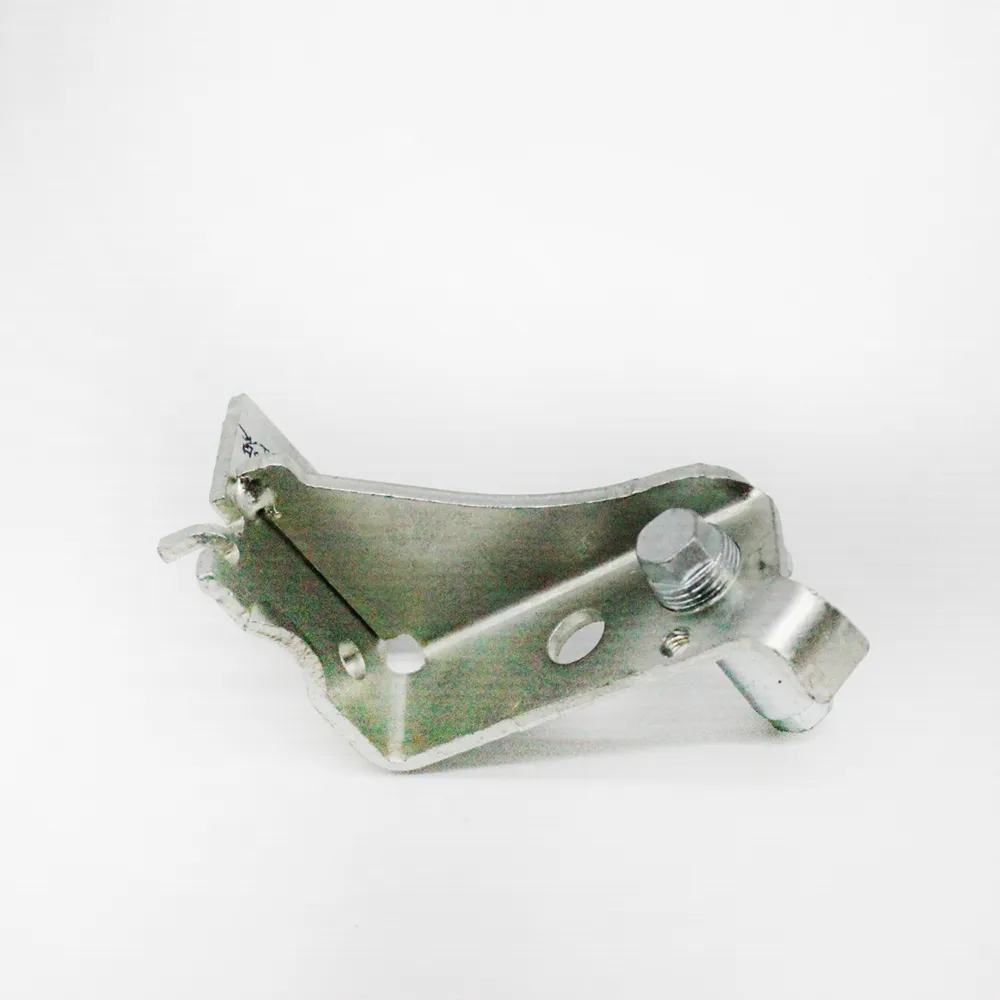
Understanding the Basics of CNC Turning and CNC Milling
In modern precision manufacturing, cnc turning and cnc milling are two of the most widely used machining technologies. While each process has its own strengths, combining them allows manufacturers to produce complex parts with higher precision, efficiency, and consistency.
CNC turning is typically performed on a lathe where the workpiece rotates while a stationary cutting tool removes material. This process is ideal for producing cylindrical components such as shafts, bushings, and threaded parts. CNC milling, on the other hand, uses rotating cutting tools to remove material from a stationary workpiece, making it suitable for creating flat surfaces, slots, pockets, and complex contours.
At HRB Industries Group, engineers often integrate cnc turning and cnc milling within a single manufacturing workflow to achieve high accuracy and reduce secondary operations. This combination allows manufacturers to produce parts with both rotational symmetry and intricate geometric features.
Why Modern Manufacturing Combines CNC Turning and CNC Milling
Manufacturers increasingly combine cnc turning and cnc milling because modern products require more complex geometries than traditional machining methods can efficiently produce.
For example, many automotive and industrial components begin as round bar stock. CNC turning is first used to create the basic cylindrical structure—diameters, tapers, and threads. Once this primary shape is formed, CNC milling operations can add features such as keyways, mounting holes, slots, and precision surfaces.
From an engineering perspective, integrating cnc turning and cnc milling reduces production steps and minimizes repositioning errors. According to machining research and guidelines from organizations like SME, combining multiple machining processes improves dimensional accuracy and overall productivity.
In real manufacturing environments, this integrated approach can significantly shorten production cycles while maintaining tight tolerances required in industries such as automotive, aerospace, and industrial machinery.
A Real Manufacturing Example: Complex Mechanical Components
In our machining projects at HRB Industries Group, many custom components require both rotational precision and complex surface features.
For instance, consider a precision transmission shaft used in mechanical equipment. The manufacturing process often begins with CNC turning to create the main shaft diameter, bearing seats, and threaded sections. After the turning stage, the part moves to CNC milling where additional features such as spline slots, lubrication channels, or mounting flats are machined.
By combining cnc turning and cnc milling, engineers can produce a single part with multiple functional features while maintaining tight tolerance control. This approach not only improves part quality but also reduces manual handling and alignment errors.
Such integrated machining solutions are particularly valuable when producing high-precision industrial parts that require both strength and dimensional accuracy.
Multi-Axis Machines Enable Seamless Integration
Advancements in machine tool technology have further improved how cnc turning and cnc milling work together. Modern multi-axis CNC machines, such as mill-turn centers, allow both operations to be performed within a single machine setup.
In a mill-turn system, the workpiece can rotate like it would in a turning operation, while milling tools simultaneously perform cutting tasks from multiple angles. This eliminates the need to move the part between different machines, reducing setup time and increasing production efficiency.
Manufacturers working with advanced equipment, including suppliers like DMG MORI, demonstrate how mill-turn technology enables complex parts to be completed in a single setup. This level of integration is especially useful for producing aerospace components, hydraulic fittings, and precision mechanical assemblies.
For machining providers such as HRB Industries Group, adopting multi-axis technology allows engineers to deliver faster lead times while maintaining strict quality standards.
Benefits of Combining CNC Turning and CNC Milling
The integration of cnc turning and cnc milling provides several significant advantages for manufacturers and customers alike.
First, it improves machining accuracy. Since the part remains aligned within the same coordinate system, there is less risk of misalignment during secondary operations.
Second, it increases manufacturing efficiency. Combining processes reduces machine transfers, setup time, and manual labor, which ultimately lowers production costs.
Third, it enables more complex part designs. Engineers can incorporate features such as internal cavities, angled holes, and detailed surface profiles without requiring multiple machining stages.
Finally, this integrated approach supports consistent quality for both prototype development and large-scale production. Companies specializing in precision machining, such as HRB Industries Group, rely on the synergy between cnc turning and cnc milling to deliver reliable industrial components.
How Engineers Optimize CNC Turning and CNC Milling Workflows
Successful integration of cnc turning and cnc milling requires careful planning during the design and programming stages.
Engineers must determine the optimal sequence of operations, tool paths, and fixture setups. In many cases, turning operations are performed first to establish the main geometry and reference surfaces. Milling operations then add detailed features that require multi-directional cutting.
Advanced CAD/CAM software plays an essential role in this workflow. It allows engineers to simulate machining processes, detect potential collisions, and optimize cutting strategies before production begins.
By applying engineering expertise and advanced machining technologies, manufacturers like HRB Industries Group can produce precision components that meet demanding industrial requirements.
The Future of Integrated CNC Machining
As manufacturing technology continues to evolve, the collaboration between cnc turning and cnc milling will become even more important. Automation, intelligent tool monitoring, and digital manufacturing systems are further enhancing machining capabilities.
Future smart factories will increasingly rely on integrated machining centers that combine turning, milling, drilling, and even additive manufacturing within a single system. This will allow manufacturers to produce complex parts faster, with fewer production steps and improved quality control.
For companies seeking reliable precision machining solutions, integrating cnc turning and cnc milling remains one of the most effective strategies for producing high-quality industrial components efficiently.
Table of Contents
- Understanding the Basics of CNC Turning and CNC Milling
- Why Modern Manufacturing Combines CNC Turning and CNC Milling
- A Real Manufacturing Example: Complex Mechanical Components
- Multi-Axis Machines Enable Seamless Integration
- Benefits of Combining CNC Turning and CNC Milling
- How Engineers Optimize CNC Turning and CNC Milling Workflows
- The Future of Integrated CNC Machining

