
 EN
EN
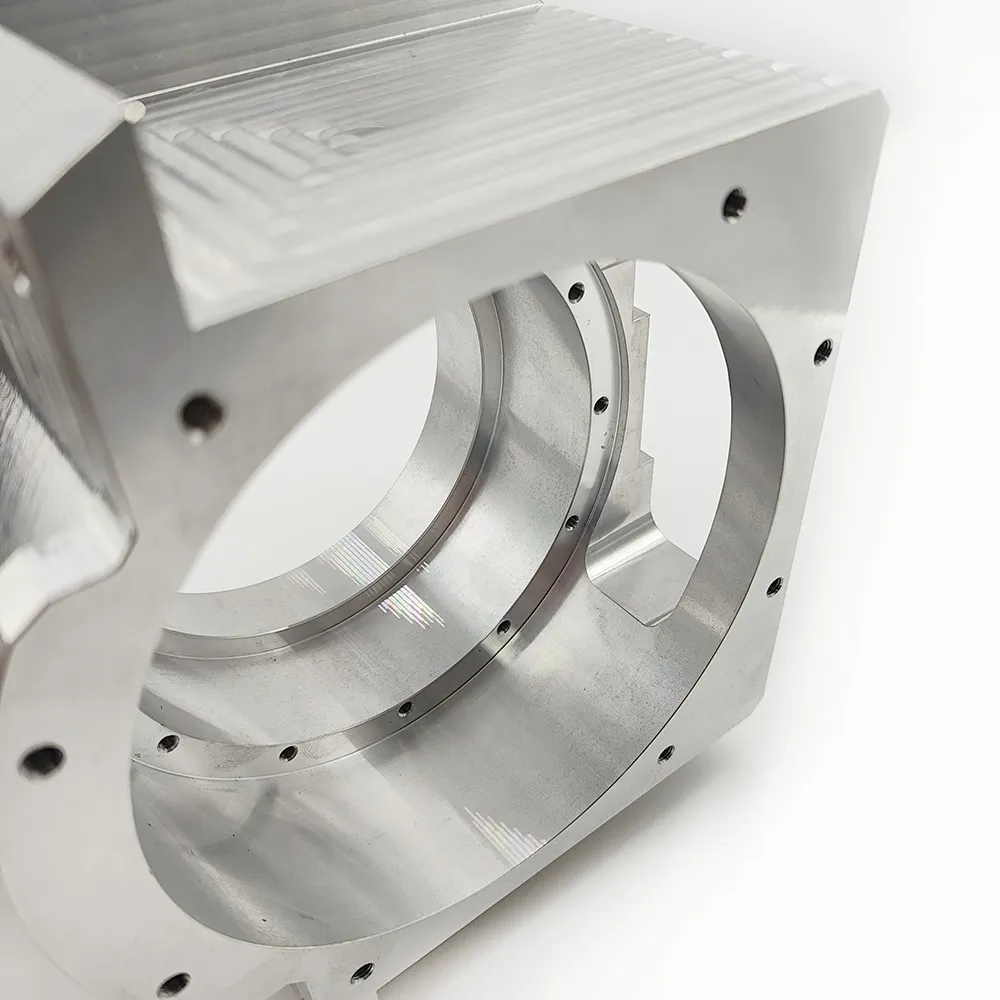
Choosing the right CNC machining manufacturer is a pivotal decision that can determine the success of your product development and supply chain stability. In the industrial manufacturing sector, the difference between a prototype that works and one that fails often comes down to the microscopic tolerances and material integrity provided by your partner. Based on years of handling complex mechanical components at HRB Industries Group, we have found that the most successful partnerships are built on a foundation of technical transparency and verified quality systems. When you look for a partner, you aren't just buying machine time; you are investing in their quality control philosophy and their ability to solve geometric challenges that others might deem "unmanufacturable."
Assessing Technical Expertise and Advanced Equipment Capabilities
The first step in vetting a potential CNC machining manufacturer is to look beyond their website and evaluate their actual floor capacity. A high-tier manufacturer should possess a diverse range of equipment, from 3-axis mills for simpler geometries to sophisticated 5-axis CNC machining centers that can handle complex aeronautical or medical components in a single setup. At HRB, we emphasize the importance of "Single-Setup" machining because it eliminates the cumulative errors that occur when a part is moved between machines. Furthermore, technical expertise isn't just about having the machines; it’s about the engineering team’s ability to perform DFM (Design for Manufacturing) analysis. A truly expert manufacturer will review your CAD files and suggest minor adjustments—such as increasing a fillet radius or simplifying a deep pocket—to reduce costs without compromising the part's structural integrity.
Verifying Quality Assurance Protocols and Material Certifications
Trustworthiness in the manufacturing world is measured in microns and certifications. Any reliable CNC machining manufacturer must provide more than just a verbal promise of quality; they should offer documented proof through ISO 9001:2015 certifications and comprehensive inspection reports. When sourcing parts, always ask for a Material Test Report (MTR) to ensure the aluminum, stainless steel, or titanium being used meets international standards (like ASTM or DIN). At HRB Industries Group, we utilize Coordinate Measuring Machines (CMM) and optical comparators to verify that every dimension aligns with the client’s blueprints. A "cheap" manufacturer often saves money by skipping these rigorous inspection steps, which leads to high failure rates during your final assembly. Choosing a partner with a transparent "closed-loop" quality system ensures that if a deviation occurs, it is caught before the parts ever leave the factory floor.
Evaluating Material Versatility and Surface Finishing Options
A versatile CNC machining manufacturer should be a "one-stop shop" capable of handling a vast array of materials and post-processing requirements. Whether your project requires the lightweight strength of AL6061/7075, the corrosion resistance of 316L Stainless Steel, or high-performance plastics like PEEK and Delrin, the manufacturer’s tooling and cooling systems must be optimized for those specific substrates. Beyond the machining itself, surface finishing is where many projects face delays. A professional manufacturer provides integrated services such as Type II/III anodizing, powder coating, bead blasting, and electroplating. This integration is critical because it ensures that the dimensional tolerances—which can be affected by the thickness of a coating—are accounted for during the initial machining phase. By managing the entire lifecycle from raw block to finished, coated component, the manufacturer maintains total accountability for the final result.
Understanding Production Scalability and Lead Time Reliability
In today's fast-paced market, the ability to scale from a single prototype to high-volume production is a significant competitive advantage. When interviewing a CNC machining manufacturer, inquire about their "bridge production" capabilities. Can they handle a 10-unit R&D run as effectively as a 10,000-unit annual contract? Scalability is often limited by a factory's workforce and shift structure. A manufacturer with multiple shifts and automated pallet changers can offer much more reliable lead times than a small shop prone to bottlenecks. At HRB, we understand that a delay in a small CNC component can halt an entire multi-million dollar assembly line. Therefore, look for partners who use ERP (Enterprise Resource Planning) software to track production in real-time, providing you with accurate ship dates rather than vague estimates.
Analyzing Communication Transparency and Long-Term Partnership Value
The final, and perhaps most overlooked, factor in choosing a CNC machining manufacturer is the quality of their communication. Technical manufacturing is a collaborative process. You need a partner who speaks the language of engineering and responds promptly to technical queries or revision changes. Global sourcing can be difficult due to time zones and language barriers, which is why top-tier Chinese manufacturers now employ English-speaking project managers who understand Western engineering standards (ANSI/ASME). A manufacturer that views themselves as a long-term partner rather than a one-time vendor will be more invested in your success, offering cost-saving suggestions over time as they become familiar with your specific product lines. This level of transparency and proactive engagement is what separates a world-class supplier from a simple machine shop.
Table of Contents
- Assessing Technical Expertise and Advanced Equipment Capabilities
- Verifying Quality Assurance Protocols and Material Certifications
- Evaluating Material Versatility and Surface Finishing Options
- Understanding Production Scalability and Lead Time Reliability
- Analyzing Communication Transparency and Long-Term Partnership Value

