
 EN
EN
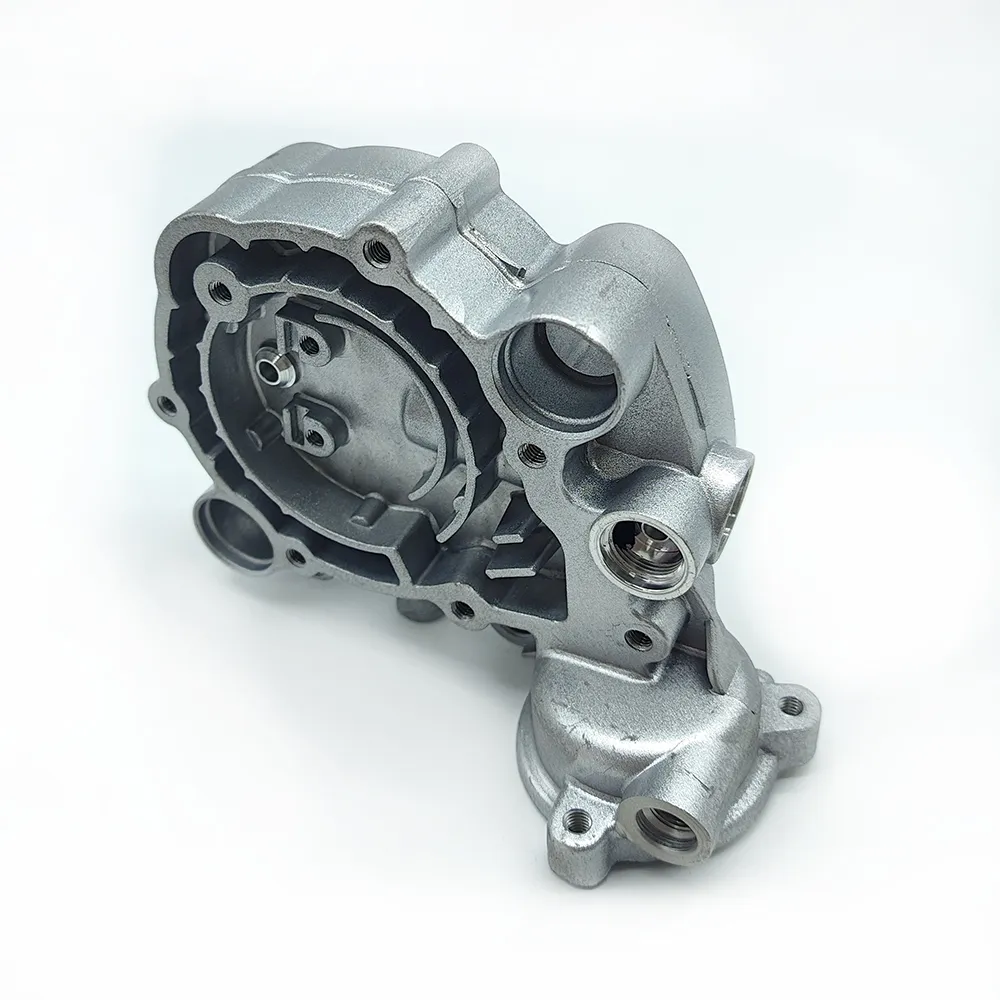
Precision Manufacturing of Powertrain Components with CNC Machining for Automotive
Engine Blocks and Cylinder Heads: Achieving <0.01 mm Tolerances via Multi-Axis Milling
Multi axis CNC machining achieves incredible precision at the micron level for engine blocks and cylinder heads. When tolerances drop below 0.01 mm, this really matters for how well engines burn fuel, handle heat, and last over time. The latest 5 axis milling machines can shape all sorts of complicated parts including coolant channels, valve seat areas, and combustion chambers without needing to reset the workpiece multiple times. This cuts down on those pesky alignment issues that build up when parts get moved around between different fixtures. For materials like temperature resistant A319 aluminum, special cutting paths combined with carefully managed coolant application help stop things from getting warped or distorted during machining. Many shops now use built in probing systems right on the machine itself to check important measurements as they go along. This real time verification makes sure everything stays consistent even when producing thousands of identical parts day after day.
Gearbox and Transmission Parts: Ensuring Repeatability in Helical Gears and Synchronizer Hubs
When it comes to making helical gears and synchronizer hubs, CNC machining delivers outstanding consistency. These components are particularly sensitive because even small tooth profile deviations beyond ±0.005 mm can lead to unwanted vibrations, excessive noise, and early component failure. Modern Swiss-type lathes along with advanced CNC hobbing machines create gears that meet strict geometric dimensioning and tolerancing standards, achieving surface finishes under Ra 0.8 micrometers. What makes these systems remarkable is their ability to automatically compensate for tool wear during operation, keeping pressure angles within just 0.1 degree variation across thousands of production cycles. Manufacturers rely on coordinate measuring machine checks to verify quality, typically seeing around 99.7% success rate on first attempts with synchronizer hubs. This level of precision matters greatly for transmission performance, ensuring smooth gear shifts, proper torque transfer, and long-lasting reliability in both dual-clutch and automated manual transmission systems.
Enabling the EV Transition: CNC Machining for Electric Vehicle Systems
Drive Unit and Inverter Housings: Thermal-Optimized Aluminum Machining
Getting proper thermal control for electric drive units and power invertors is really important if we want them to work efficiently and last longer without breaking down. With CNC machining, manufacturers can create aluminum housing parts that have built-in cooling channels, special fins for heat dissipation, and internal air flow paths designed just right. These parts are made to tight specs around plus or minus 0.025 mm tolerance. When compared to regular die casting methods, these specially machined housings cut down on those pesky hot spots by about 40%. That means components tend to last longer and can handle higher power outputs consistently over time. The weight savings still happen thanks to smart toolpath designs that take out only what's not needed structurally. Plus there's this cool tech where coolant runs through the spindle itself, which helps keep things stable thermally even when running at high speeds for long periods.
Battery Brackets and Structural Mounts: GD&T-Compliant Lightweight Fabrication
When it comes to battery mounting systems, these are really important parts where following GD&T standards isn't just good practice but absolutely necessary for safety reasons. CNC machining gets things right down to about 0 05 mm accuracy thanks to solid fixtures and tools that adapt as needed. This helps maintain consistent force distribution throughout all the units produced. The new topology optimized designs cut down on weight by roughly 15 to 20 percent compared to traditional stamped steel options, plus they make the whole assembly stiffer against twisting forces. Five axis machining creates those complicated shapes around each battery cell that spread out crash loads properly, which is essential for meeting FMVSS 305 safety regulations in EVs. Manufacturers go for high strength aluminum and magnesium because they offer great strength relative to their weight and resist wear over time. What's interesting is how some vibration damping characteristics get built right into the mounting points during machining. And let's not forget about Statistical Process Control monitoring all those key measurements too. Most shops report staying compliant with PPAP docs at around 99 98 percent across different production runs, though nobody actually reaches perfect consistency in real world manufacturing environments.
Accelerating Innovation: CNC Machining for Automotive Prototyping and Low-Volume Production
CNC machining really speeds things up for automotive innovation because it lets manufacturers create detailed prototypes quickly and produce small batches without waiting for expensive tooling setups. Engineers can test how well these parts work about 40 to 60 percent quicker compared to old school methods, hitting super tight tolerances around plus or minus 0.0005 inches (that's about 0.013 mm) on stuff like suspension links, battery casings, and motor mounting brackets. From day one, actual engineering grade materials get put into prototypes too - think aerospace aluminum, titanium, those tough composite materials we see in racing cars. This means they can do serious testing for mechanical stress, heat resistance, and how long parts last when subjected to real road conditions. When designers tweak their digital models, those changes show up almost instantly in physical parts, which helps them fine tune everything from car shapes that cut through air better, driver comfort features, right down to safety aspects during collisions. For specialty cars and new electric vehicle powertrains, this low volume CNC approach fills the space between initial tests and mass production runs. It keeps all those important manufacturing standards intact, maintains the quality of materials, and delivers parts ready for assembly lines without running into the strength issues, rough surfaces, or inconsistent dimensions that sometimes plague 3D printed alternatives.
Ensuring Consistency and Compliance: Quality Control in Automotive CNC Machining Workflows
CMM Validation and SPC Integration for Safety-Critical Parts (e.g., Brake Calipers)
When working on safety critical parts such as brake calipers, CNC machining requires strict quality checks throughout the process. Using Coordinate Measuring Machines (CMMs) allows for checking complex shapes at the micron level against GD&T specs. This ensures everything fits right from pistons to fluid channels and mounting points align properly. These measurements work hand in hand with Statistical Process Control (SPC) systems that watch production data constantly looking for small changes before they become big problems. Take tool wear monitoring during bracket production for instance. The SPC system will actually trigger machine recalibration automatically if dimensions start drifting toward dangerous levels. Putting these two technologies together cuts defects down about 40%, which matters a lot for meeting AS9100 standards. This is particularly crucial when dealing with aluminum alloys since temperature changes can cause them to expand unpredictably. Modern shops have automated connections between CMMs and CNC controllers now, so even in large batches of 50,000 units, failure rates stay extremely low without needing someone to manually check every single piece against specifications.
FAQ
What are the benefits of using CNC machining for automotive components?
CNC machining provides high precision, excellent repeatability, and efficient production for automotive components. It allows for tight tolerances, consistent high-quality output, and the ability to create complex designs, which are crucial for the performance and longevity of automotive systems.
How does CNC machining contribute to the electric vehicle industry?
CNC machining helps in creating lightweight, thermally-efficient components like drive units, inverters, and battery mounting systems for electric vehicles. These components improve vehicle efficiency, manage heat effectively, and meet stringent safety regulations, fostering the growth and development of the electric vehicle market.
Why is quality control important in CNC machining for automotive production?
Quality control ensures that all automotive parts produced through CNC machining meet strict industry standards and safety regulations. Technologies like Coordinate Measuring Machines (CMM) and Statistical Process Control (SPC) help maintain consistency, reduce defects, and ensure all components function reliably and safely in automotive applications.
Table of Contents
- Precision Manufacturing of Powertrain Components with CNC Machining for Automotive
- Enabling the EV Transition: CNC Machining for Electric Vehicle Systems
- Accelerating Innovation: CNC Machining for Automotive Prototyping and Low-Volume Production
- Ensuring Consistency and Compliance: Quality Control in Automotive CNC Machining Workflows
- FAQ

