
 EN
EN
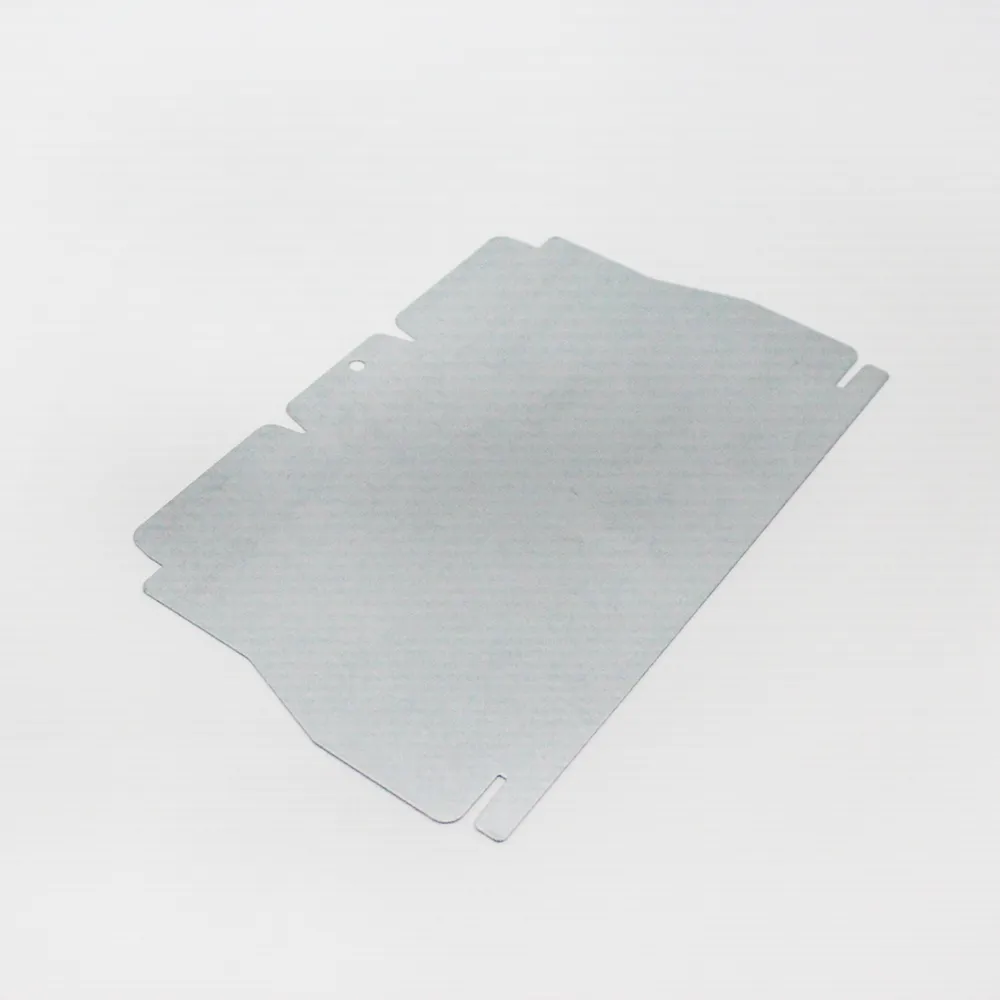
In today’s competitive market, the ability to decrease lead times, cut costs, and deliver quality is not optional, it is imperative. From the last ten years of experience with OEM buyers in the automotive, appliance, and industrial equipment sectors, I have witnessed a distinct trend. It seems that most companies are now moving to integrated solutions. They are moving away from dealing with separate stamping and secondary processing suppliers. Here, custom metal stamping with assembly becomes more of a strategic advantage than a production approach.
Combining Stamping and Assembly
Combining stamping and assembly is no longer considered a good practice. It is now the standard. Integration eliminates gaps and overlaps in processes. This means better quality control, better accountability, and better overall performance. For precision stamping and integrated services like tooling development, welding, riveting, or sub assembly, the combination is advantageous for clients. This is the case for the Harbin Industries Group.
Reduction of Supply Chain Risks
On time delivery is always top of mind for supply chain managers. Planning for negative variability is common and most managers will build in excess lead time to account for variability. What most supply managers do not understand is that supply chain variability can be controlled by reducing production steps. In my experience, one of the most common issues when clients separate stamping and assembly is a lack of alignment on tolerances and accountability. Boxed components are common in industrial assembly and for good reason. If a boxed bracket is sent for assembly and it does not fit, who does the assembler blame, the stamp supplier or the assembly supplier? This lack of accountability and finger-pointing can lead to delays and added costs.
Completion of custom metal stamping and assembly begins with the same engineering team for tooling design, the stamping tolerances, and the downstream assembly requirements. This prevents any compatibility problems. Integrated production also decreases the number of suppliers, streamlines communication, and minimizes the logistics of custom overseas supply chains.
From a risk management perspective, integrating multiple production processes consolidates the risk of transport damage, reduces the cost of holding inventory, and prevents delays caused by logistics outside of a single production site.
Advancing Engineering Integration and Precision
Along with a good knowledge of die design, appropriate material selection, and press calibration, the precision of metal stamping depends on advanced skills and experience. However, the real performance of a product is evaluated only after the assembly and the testing of the product. When stamping and assembly are designed and engineered in a single approach, the tolerances of dimensions are set according to the objectives of practical application and not just in terms of design.
In working with automotive brackets and industrial enclosures, we have seen a more than 20% reduction in the need for modifications after production, owing to the early engagement of assembly engineers with toolmakers. When we practiced design-for-assembly (DFA), we were able to modify the bend radius, positional and flatness control of holes, and other design features to facilitate mechanical assembly.
This is the point where custom metal stamping and assembly is able to show its real technical worth. Instead of just making parts, the manufacturers are making fully operational sub-assemblies that are ready for installation.
Cost Effectiveness Is More Than Just Price per Part
Buyers often consider only stamping cost per piece. However, project costs include transportation, secondary handling, inspections, and coordination with suppliers. Integrated manufacturing simplifies and often eliminates these hidden costs.
When stamping and assembly are done in the same place then:
- • packaging costs are lower
- • optimal internal logistics
- • centralized quality control
- • shorter lead times
From a cost perspective, process integration often reduces total project cost by 10-15%, even when the unit stamping cost is higher. In custom metal stamping with assembly, cost predictability and budget stability improves in longer-term partnerships.
Improved Quality Control and Responsibility
Quality management systems like ISO 9001 require process control and traceability. If stamping and assembly are merged, quality control checkpoints will be part of the process in the flow instead of only at the end.
For example, weld or rivet process flow references before stamping the part. Assembly torque and structural strength tests are recorded in the same quality system. This single system improves problem tracking and makes it easier to manage costs.
Integrated manufacturing improves accountability. Instead of a single component being the responsibility of multiple suppliers, integrated manufacturing makes a single supplier responsible.
Fostering Creativity and Personalization in Design
There is a growing need in modern business for lightweight structures and space-saving, multifunctional components. Innovation is often stifled by the presence of multiple suppliers, as each is focused on their individual process.
Custom metal stamping with assembly allows engineers to rethink the design of parts and simplify assemblies. An example of this is stamping three brackets and then assembling them. An improved die design could allow for another part to be added that includes some of the brackets, with only a few additional pieces to fasten.
From this integrated perspective, the development of more complex products is possible. Advanced stamping and assembly prototyping can be done in parallel, reducing the development cycle for industrial and automotive OEM projects. This is especially critical for rapid iterations, high-volume production, and constrained timelines to market.
Developing a Comprehensive Partnership for the Future
In addition to the financial and technical advantages, combining services can improve interconnectedness. While managing multi-year supply contracts, customers appreciate the manufacturers who can see beyond the geometry of the part to the end result.
Collaborating suppliers have:
- • Advantage of first engineering input.
- • Better volume scaling.
- • Advanced material sizing.
- • Improved machining.
When companies integrate custom metal stamping with assembly into their operations, it shifts their purchasing process from a transactional focus to an integrated, operational manufacturing partnership. This enhances quality, operational efficiency, and the ability for sustained innovative growth.
Table of Contents
- Combining Stamping and Assembly
- Reduction of Supply Chain Risks
- Advancing Engineering Integration and Precision
- Cost Effectiveness Is More Than Just Price per Part
- Improved Quality Control and Responsibility
- Fostering Creativity and Personalization in Design
- Developing a Comprehensive Partnership for the Future

