
 EN
EN
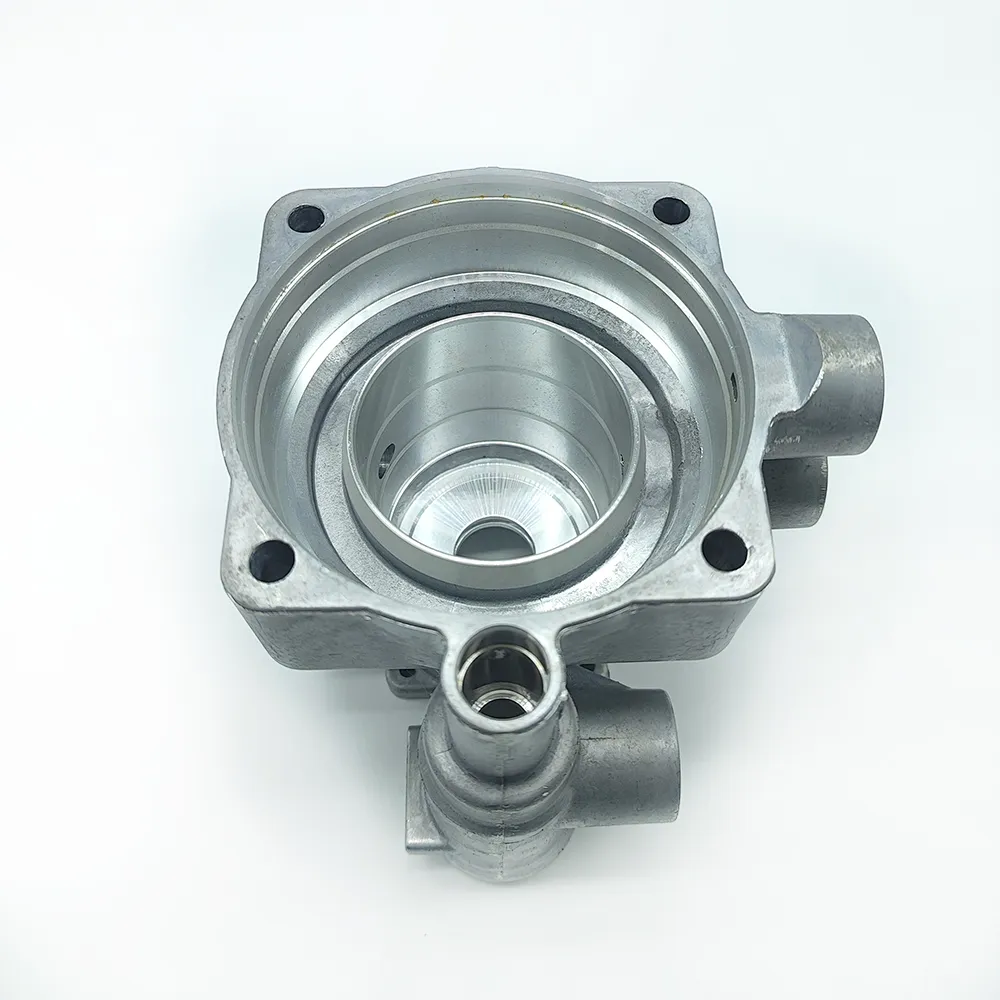
Understanding the Importance of Casting Quality Control
From my experience working with industrial casting projects, I’ve seen that defects caught too late can lead to costly rework, delivery delays, and even customer complaints. That is why casting quality control is not just a technical requirement but a strategic process that affects cost, reputation, and long-term partnerships. Effective casting quality control ensures that each casting meets dimensional, mechanical, and surface requirements before it reaches the customer. Companies like HRB Industries Group integrate casting quality control throughout production, helping clients reduce risks and achieve consistent product performance across different applications such as automotive, machinery, and infrastructure components.
Starting with Material Selection and Process Design
A strong casting quality control system begins long before molten metal is poured. Based on practical production cases, material selection and process design are the first control points. Choosing the right alloy composition, controlling raw material purity, and designing appropriate gating and riser systems are essential steps. HRB Industries Group applies casting quality control at this early stage by verifying chemical composition through spectrometers and simulating mold flow to prevent shrinkage or porosity. This proactive approach shows how casting quality control can eliminate potential defects before they occur, rather than reacting after production.
Process Control during Melting and Pouring
One of the most critical stages I’ve observed is melting and pouring, where temperature and timing directly affect final quality. Effective casting quality control requires strict monitoring of furnace temperature, holding time, and pouring speed. For example, HRB Industries Group uses standardized operating procedures and real-time monitoring systems to maintain consistency. By applying casting quality control at this stage, variations between batches are minimized, ensuring stable mechanical properties and surface integrity. This level of expertise helps customers trust that every casting performs as expected in real-world conditions.
Mold Management and In-Process Inspection
Mold quality is often underestimated, yet it plays a major role in casting quality control. In my experience, worn or poorly prepared molds can introduce defects even when metal quality is perfect. Professional casting quality control includes mold material inspection, dimensional verification, and moisture control. HRB Industries Group conducts in-process inspections to ensure molds meet design specifications before casting begins. This practical, hands-on approach to casting quality control allows issues to be corrected immediately, reducing scrap rates and improving overall efficiency.
Inspection, Testing, and Documentation
Post-casting inspection is where casting quality control becomes visible and measurable. Dimensional checks, visual inspection, and non-destructive testing such as ultrasonic or magnetic particle testing are commonly used. From an expert standpoint, combining multiple inspection methods provides a more reliable assessment. HRB Industries Group documents every inspection step, ensuring full traceability. This transparent casting quality control system builds confidence for customers who require compliance with international standards and detailed quality records for audits or certifications.
Continuous Improvement through Feedback and Expertise
Effective casting quality control is not a one-time setup but a continuous improvement cycle. Based on long-term cooperation with clients, feedback from machining and end-use performance is invaluable. HRB Industries Group integrates customer feedback into its casting quality control system, refining processes and updating standards. By relying on experienced engineers and industry best practices, casting quality control evolves with new technologies and customer requirements. This commitment to accuracy, transparency, and practicality ensures lasting value for customers and strengthens trust in the supplier relationship.

