
 EN
EN
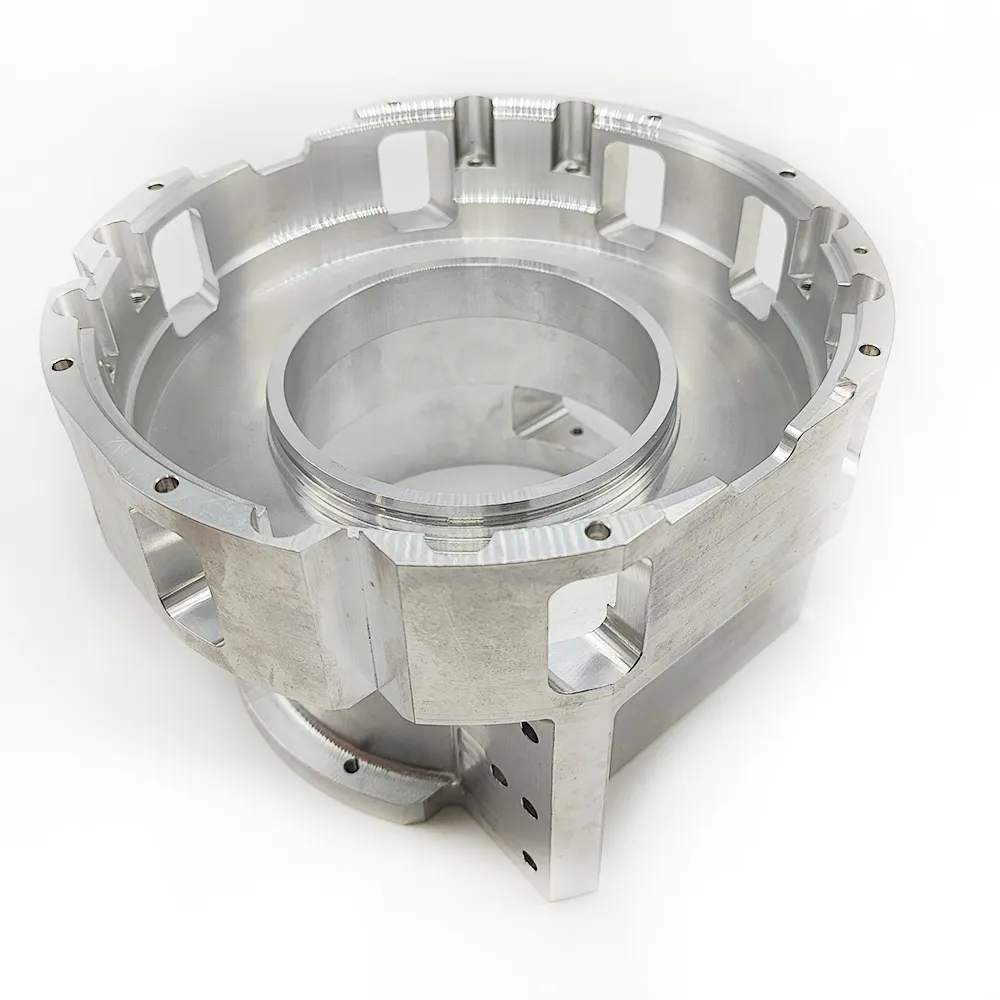
When Custom CNC Turning Parts Beat Standard Parts
When a sourcing engineer needs a round metal component, the first decision is rarely about the machine itself. It is about whether a standard off-the-shelf item will do the job or whether the drawing really calls for custom CNC turning parts. Standard parts win on price and short lead time when geometry is simple, volume is high, and nothing about the part is unusual. But the moment a design carries a tight tolerance, a specific material grade, a custom thread, or a feature that exists only on your print, custom CNC turning parts become the practical option. Buyers typically turn to custom CNC machining for three reasons: dimensional control, material freedom, and the chance to consolidate multiple features into one part. Understanding when those three reasons apply is the first step toward a lower total cost, and it is exactly where custom CNC turning parts start to pay for themselves.
CNC Turning Services a Buyer Can Actually Specify
CNC turning differs from conventional turning in one essential way: the machine follows a programmed path instead of a manually guided cutter, so repeatability no longer depends on operator skill. Many suppliers run 3-axis and 4-axis machining centers that switch between turning and milling on a single setup, which matters for parts with flats, slots, or cross holes that would otherwise need a second machine. An automatic bar feeder keeps the spindle loaded so the machine runs unattended between cycles, and a pallet changer pre-loads the next job to cut changeover time. For the buyer, CNC turning services that combine these features produce cnc turned parts with consistent geometry, faster quotes, and better quality across both simple and complex custom CNC turning parts. ask any candidate how their CNC turning services handle bar feeding, pallet changing, and mixed-volume runs before you shortlist them, and confirm whether custom CNC machining programs can run on the same equipment without a second fixture, so that one shop can quote custom CNC turning parts from prototype to production run.
Tolerance, Workholding and the Work Envelope for Custom CNC Turning Parts
CNC turning tolerances are the most common reason engineers reject standard parts. A catalog part is made to a general industry tolerance and will not hold the critical dimension your assembly depends on. Custom CNC turning parts are machined to the print, and a well-equipped shop can hold CNC turning tolerances to plus or minus 0.0001 inch, or 0.00254 mm, when the design requires it. Reaching that level depends on advanced workholding, because a part that moves during cutting cannot hold tight dimensions no matter how accurate the spindle is. Compare CNC turning services by tolerance capability before you commit, and ask for a sample report on cnc turned parts at the claimed value. You should also confirm the work envelope: if a supplier's envelope is 12 inches by 12 inches by 12 inches, ask whether your largest custom CNC turning part fits with room for tooling. Verifying tolerance, workholding, and envelope size for custom CNC machining prevents expensive surprises later.
CNC Turning Materials From Aluminum to Titanium and Inconel
Material selection is where custom CNC turning parts often justify their cost. A standard part is sold in one material; custom CNC turning parts are machined from the materials your application actually needs. Shops serving automotive, home appliance, agricultural machinery, and medical device customers routinely machine aluminum for lightweight components, stainless steels for corrosion resistance, and titanium for strength-to-weight ratios. For high-temperature environments, Inconel is machinable on the same equipment, although it cuts more slowly and costs more per part. The practical point is that custom CNC turning removes the one-material-fits-all constraint, so your CNC turning materials list is not limited to whatever a distributor stocks. When you request a quote for custom cnc turned parts, state the material grade and whether the raw stock needs a certificate or traceability. Choose CNC turning services with material breadth, from aluminum to titanium and Inconel, so the same supplier can support your program as requirements evolve, and verify that the CNC turning materials actually delivered match the approved grade.
Threads, Knurling, Blind Holes and Contoured Surfaces
A key benefit of custom CNC turning parts is that secondary features are machined into the same part instead of being outsourced or assembled on. Internal and external threads are cut to your pitch and class, eliminating the loose-fit problems that come with purchased standard fasteners. Knurling can be applied directly to the blank, giving a textured grip without an extra operation. Blind holes, deep holes, and contoured surfaces can be programmed directly, which matters for hydraulic fittings, valve components, and any part that carries a profile from the drawing. When a supplier lists these features as standard capabilities, ask for samples, because the ability to machine a feature and the ability to hold it consistently at volume are different things. Custom CNC machining that consolidates threads, knurling, and holes into one cnc turned part is one of the most direct ways custom CNC turning parts reduce part count and assembly labor, and it is a point worth putting on your supplier scorecard for cnc turning services.
A Practical Sourcing Scenario: Prototype to Production
Consider an anonymous example from a medical device program. The engineer needed a small titanium insert with a blind hole, a contoured sealing face, and an internal thread. Nothing in the standard catalog came close, and sourcing standard components would have meant redesigning the assembly or joining multiple parts. Instead, the team ordered custom CNC turning parts from a custom CNC machining supplier that could reverse engineer the existing drawing, produce tooling in-house, and coordinate the heat treatment and surface treatment steps after machining. The prototype arrived within the agreed timeline, the sealing face was confirmed against the print, and the same supplier moved the part into production without changing the process. The price per piece was higher than any catalog item, but assembly cost fell because the single machined component replaced three purchased pieces. For cnc turned parts of this kind, the trade-off, fewer parts and tighter control, is the standard economic case for custom CNC turning.
Sourcing Tips, Lead Time and Inventory Planning
Getting value from custom CNC turning parts depends on how you run the relationship. Start with a complete drawing package and a clear specification of tolerance, material, and surface condition. Document your CNC turning materials in the RFQ, and ask how the supplier coordinates heat treatment and surface treatment, because those steps usually sit outside the machining cell and drive most of the lead time. Check whether the CNC turning services include inventory planning, which lets the shop produce to your forecast and release stock as you need it, and ask where the finished cnc turned parts ship from. A supplier with a US warehouse can shorten delivery for overseas production, which matters when a four-to-six-week ocean lead time would stall your line. HRB Industries Group is one example; it added a US warehouse in 2003 to hold finished inventory closer to North American buyers. That is not a reason to pick a supplier on its own, but it is the kind of supply-chain detail worth adding to your evaluation checklist before you order custom CNC turned parts.
Frequently Asked Questions
Q: What tolerance can I expect from custom CNC turning parts?
A: A well-equipped shop can hold plus or minus 0.0001 inch (0.00254 mm) on critical dimensions, and cnc turned parts are confirmed against the print at volume. Ask the supplier to document the tolerance class and their workholding plan for your custom CNC turning part.
Q: What CNC turning materials are available for custom CNC turning parts?
A: Most shops machine aluminum, steel and stainless steel, titanium, and heat-resistant alloys such as Inconel. State the material grade on your RFQ so the supplier can quote the correct machining time for your custom CNC turning parts, and verify that the CNC turning materials they propose match your approved grade.
Q: Is custom CNC turning cost-effective for small quantities?
A: Yes, for parts no standard product can meet. Because the setup is programmed, one-piece prototypes are feasible, and the same program scales into production. Compare total cost, including assembly and rework, rather than price per part alone, and evaluate whether custom CNC machining on a bar-fed 4-axis center fits your volume.
Table of Contents
- When Custom CNC Turning Parts Beat Standard Parts
- CNC Turning Services a Buyer Can Actually Specify
- Tolerance, Workholding and the Work Envelope for Custom CNC Turning Parts
- CNC Turning Materials From Aluminum to Titanium and Inconel
- Threads, Knurling, Blind Holes and Contoured Surfaces
- A Practical Sourcing Scenario: Prototype to Production
- Sourcing Tips, Lead Time and Inventory Planning
- Frequently Asked Questions

