
 EN
EN
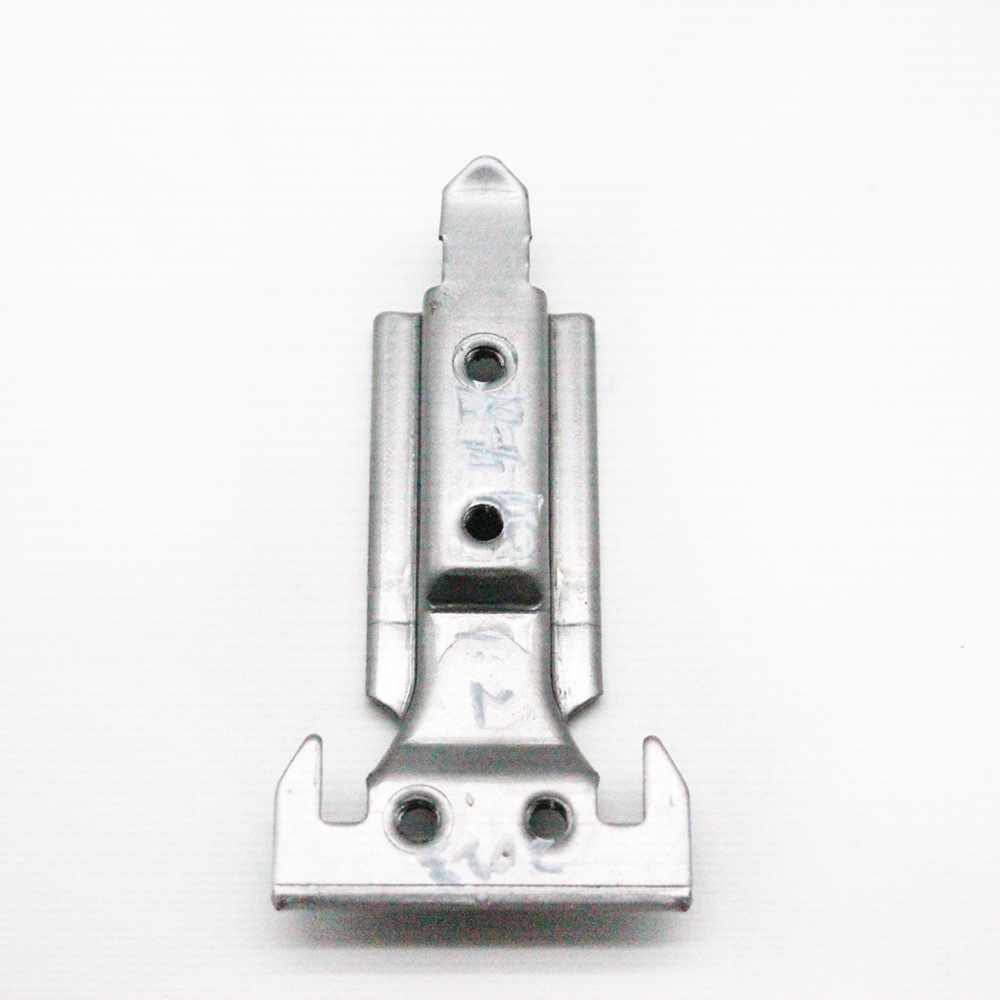
When Standard Stamping Tolerances Create Assembly Problems
Many buyers start with conventional metal stamping and only discover its limits after parts reach the assembly line. A stamped bracket that measures slightly out of spec can pass a quick visual check, yet it triggers alignment problems, fastener issues, and rework downstream. Tolerance drift in precision stamped parts usually shows up first at assembly, where components refuse to line up. The real question is not whether stamping can produce your part, but whether the tolerances hold across every batch you receive, and whether the supplier can prove it with documents you can audit. This is where a precision metal stamping service changes the outcome. A precision stamping service adds automated inspection, tighter tooling control, and auditable quality reports to the same basic stamping process. Before you compare quotes, it pays to understand the real differences in tolerance control, inspection depth, documentation, and the order volumes each type of shop will accept.
What Precision Metal Stamping Delivers
A precision metal stamping service tightens dimensional control and pairs it with deeper inspection, so it suits parts that mate with other components, carry springs, or must sit within a narrow assembly window. Conventional stamping is built around high throughput and low unit cost, with tolerance levels that suit loose-fitting or cosmetic parts. In practical terms, the two routes differ in achievable tolerance, quality control methods, documentation, unit cost, and the order volumes a supplier will accept. When your design uses precision stamped parts that sit against springs, the metal stamping tolerances you can expect from each route decide whether the assembly works. When you outsource to a precision metal stamping service, you pay for measurement, rejection control, and paperwork as much as for the formed metal. Compare these five points against your drawing before you choose.
The Inspection Depth of a Precision Metal Stamping Service
The real test of a precision metal stamping service is how deeply it inspects finished parts. Two defects matter most: burrs on cut edges and spring parts that lose preload. On automated lines, burrs larger than 0.03 mm and spring preload deviations above 3 percent are detected automatically, so defective pieces are rejected before shipment instead of at your assembly station. When your assembly tolerance sits below 0.1 mm, that detection depth protects your lines directly and keeps incoming inspection workload manageable. A precision metal stamping service should publish these thresholds, because they define the metal stamping tolerances that matter most for your assembly. Ask the precision metal stamping service supplier what defects their automated inspection can identify, at what thresholds, and how that data is reported to you.
Case Study: Precision Metal Stamping Service on the Hinge Line
A useful example comes from automated hinge production, where stamped leaves, pins, and springs must fit together with almost no clearance. Hinges are demanding work because every part affects how a door, lid, or housing moves. The manufacturer rebuilt its hinge line with full automation and a European-patented assembly system, achieving a daily output of more than 5,000 hinges and a pass rate above 99.9 percent, against an industry average around 95 percent. Assembly error stays below 0.1 mm. The same line cut the PPAP cycle from six weeks to twelve days and, in SGS-audited internal data from the first quarter of 2024, reduced unit cost by 41 percent and energy consumption by about 15 percent. For buyers, the takeaway is practical: when a precision metal stamping service treats precision as a system that includes tooling, automated inspection, and documentation, quality and lead time improve together. The precision metal stamping service supplier on that line also published its rejection thresholds openly, which made qualification faster.
Practical Sourcing Scenario: Precision Metal Stamping Service at Lower Volumes
Consider a procurement engineer who needs stamped brackets for a medical device launch or a small agricultural machinery line. A conventional high-volume shop quotes a minimum order of 15,000 pieces, which overstocks the project and ties up working capital. A precision metal stamping service that accepts minimum orders of 2,500 pieces lets the engineer validate production early, run pilot quantities, and scale up only when the design is stable. For buyers who need custom precision metal stamping service on a short schedule, a warehouse in the United States shortens replenishment compared with a four-to-six-week ocean freight cycle. A custom precision metal stamping service with regional stock changes the lead-time math for new launches and service parts. Flexible minimums plus regional stock make precision stamping practical for validation batches and aftermarket parts.
Qualifying a Precision Metal Stamping Service Supplier
When you evaluate a precision metal stamping service, focus on the process rather than the promise. Confirm which inspection equipment is used on the line and the rejection thresholds for the defects that matter in your part, especially burrs and spring preload. Review the documentation workflow, including PPAP lead time and the quality reports that ship with every order. Ask which industries the supplier serves routinely, such as automotive, home appliances, agricultural machinery, and medical devices. A precision metal stamping service should state its metal stamping tolerances in writing in the quotation, and a precision metal stamping service supplier that commits to documented values is easier to audit later. A custom precision metal stamping service with a clear inspection plan is also worth more than a cheap quote without one. Clarify minimum order quantities and warehouse locations before you sign a framework agreement.
Frequently Asked Questions About Precision Metal Stamping Service
Q: What tolerance can a precision metal stamping service hold?
A: Capability depends on material, part geometry, and tooling. In practice, precision metal stamping service lines support assembly tolerances below 0.1 mm, and automated inspection can flag burrs above 0.03 mm and spring preload deviation above 3 percent. Confirm the metal stamping tolerances for your specific part, and request a capability report with measured values from recent production lots.
Q: Is precision stamping more expensive than conventional stamping?
A: Unit cost is usually higher because of tighter tooling and deeper inspection, but lower rejection rates, fewer assembly problems, and shorter qualification cycles often reduce total cost. When your design already requires a tight assembly fit, precision stamping is usually the economical choice.
Q: Can I order precision stamped parts in small batches?
A: Yes. Some precision metal stamping service suppliers accept custom precision metal stamping service orders around 2,500 pieces instead of the 15,000 pieces common among conventional high-volume shops. That supports prototyping, validation runs, and service parts without overstocking, and it keeps your precision stamped parts inventory under control.
Table of Contents
- When Standard Stamping Tolerances Create Assembly Problems
- What Precision Metal Stamping Delivers
- The Inspection Depth of a Precision Metal Stamping Service
- Case Study: Precision Metal Stamping Service on the Hinge Line
- Qualifying a Precision Metal Stamping Service Supplier
- Frequently Asked Questions About Precision Metal Stamping Service

