
 EN
EN
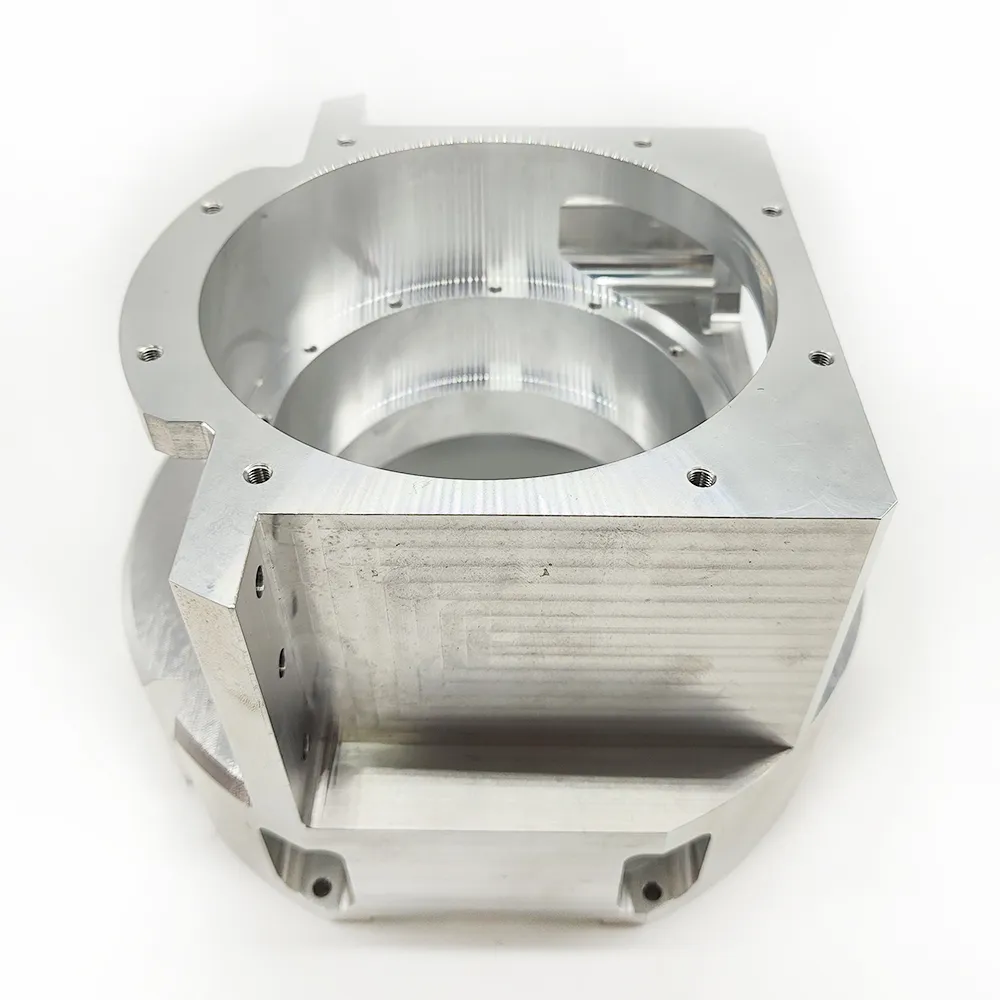
When Outsourcing CNC Turning Services Makes Sense
Many machine shops and OEM buyers ask whether CNC turning should stay in-house or move to an outside supplier. The answer depends on spindle hours, part volume, and the complexity of the geometry. If your internal machines run at capacity, if you need a capability you do not own, or if urgent orders keep interrupting production, outsourcing cnc turning services becomes a practical option. A part that runs out of specification halfway through an order is a risk you cannot see from a brochure, so documented process control matters as much as the machine list. Precision CNC turning adds documented quality, process expertise across materials, and a supply chain that can respond when demand spikes. Before you commit to either path, it helps to understand what a modern turning shop can actually produce and how to compare suppliers on facts rather than promises.
What CNC Turning Services Can Actually Produce
CNC turning services are the natural fit for round, symmetrical parts such as shafts, bushings, pins, fittings, and pulleys. A well-equipped shop runs 3-axis and 4-axis machining centers with an automatic bar feeder, a pallet changer, and advanced workholding, so a part can move from bar stock to finished component with fewer setups. The feature list matters more than the machine list. A capable turning operation produces internal and external threads, knurling, blind holes, deep holes, and contoured surfaces in a single program sequence. When your part is fundamentally cylindrical, turning usually beats milling on cycle time and surface finish, which is why so many round-part programs start with a turning decision. Whether you need custom cnc turning services for a prototype or a scheduled production run, the shop should confirm the envelope and the CNC turning tolerances in writing.
Tolerance and Work Envelope in CNC Turning Services
Precision is the main reason buyers outsource turning at all. Precision cnc turning services hold tolerances around plus or minus 0.0001 in (plus or minus 0.00254 mm) when the geometry and the material allow it. CNC turning tolerances at this level matter for mating diameters, press fits, and bearing seats. Holding them requires rigid workholding and carefully selected insert grades, so ask how the supplier holds tolerance on thin-walled or long parts. Equally important is the work envelope: a 12-inch by 12-inch by 12-inch capacity covers a large share of industrial turning work. Match your largest part to the envelope before committing, because a part near the machine limit may need different workholding or process planning.
Materials and Post-Process Coordination in CNC Turning Services
The material range of a turning shop determines what you can source from it over time. Shops that turn anything from aluminum to titanium and Inconel can serve a broader mix of projects without requalifying a supplier for every alloy. Tooling, cutting speeds, and coolant strategy all change with the material, so experience matters as much as the spindle. Turning is rarely the final step. Ask how the supplier coordinates heat treatment and surface treatment, because a cnc turning services provider that manages those steps delivers a finished part instead of a half-processed blank, which shortens total lead time and removes a handoff risk between vendors.
Practical Scenario: CNC Turning Services from Reverse Engineering to Inventory
Consider a maintenance team that needs a replacement shaft for aging production equipment. No drawing exists, so the supplier uses reverse engineering to capture the geometry, then produces the component with in-house tooling to avoid long tool procurement lead times. The same shop coordinates heat treatment for wear resistance and plans inventory for repeat orders, so the customer reorders without waiting for a full production cycle. For overseas buyers, shipping to a regional warehouse in the United States shortens replenishment compared with the usual four-to-six-week ocean freight cycle. Custom cnc turning services with in-house tooling can cover prototype, spare part, and scheduled production from one supplier, which is a strong argument for building a relationship with cnc turning services before you need them.
CNC Turning Services vs Milling vs Grinding for Round Parts
For round parts, the process choice comes down to geometry, the CNC turning tolerances you need, and cost. Precision cnc turning services are usually the fastest route to a finished diameter, milling handles flats, slots, and features on multiple faces, and grinding achieves the finest finishes when dimensional tolerance is extreme. Many parts use two processes in sequence, such as turning followed by grinding for a bearing journal. Comparing cnc turning services against milling and grinding side by side clarifies when turning is the economical answer and when a hybrid strategy is justified.
How to Qualify a CNC Turning Services Provider
Start with the machines, the work envelope, and the CNC turning tolerances you actually need, then check experience in your industry. Shops that routinely serve automotive, home appliances, agricultural machinery, and medical devices usually maintain tighter process controls and better documentation. Confirm the material list, the post-process services they coordinate, and their approach to reverse engineering and in-house tooling. Ask about turnaround times, inventory planning for repeat parts, and whether a regional warehouse supports your delivery schedule. The right cnc turning services provider should commit to the tolerance you need in writing, so you can audit the claim against measured values from recent lots. Ask for custom cnc turning services references if your part has unusual geometry.
Frequently Asked Questions About CNC Turning Services
Q: What tolerance can precision cnc turning services hold?
A: Precision cnc turning services can hold tolerances around plus or minus 0.0001 in (plus or minus 0.00254 mm) when part geometry and material permit. Confirm the CNC turning tolerances for your specific part, since size, stiffness, and feature complexity affect the result, and request measured values from recent production lots.
Q: Which materials can CNC turning services handle?
A: The practical range covers aluminum through titanium and Inconel. Higher-strength alloys need rigid setups and careful tool selection, so ask the supplier which materials they turn regularly and request references or samples for those alloys.
Q: When should I outsource CNC turning services instead of doing it in-house?
A: Outsource when your own machines run at capacity, when you lack a required capability, or when repeat orders would otherwise interrupt production. CNC turning also helps when you need reverse engineering, in-house tooling, heat treatment coordination, or inventory planning that your shop does not provide, and a cnc turning services provider that handles these steps is worth more than a spindle-hour rate.
Table of Contents
- When Outsourcing CNC Turning Services Makes Sense
- What CNC Turning Services Can Actually Produce
- Tolerance and Work Envelope in CNC Turning Services
- Materials and Post-Process Coordination in CNC Turning Services
- Practical Scenario: CNC Turning Services from Reverse Engineering to Inventory
- CNC Turning Services vs Milling vs Grinding for Round Parts
- How to Qualify a CNC Turning Services Provider
- Frequently Asked Questions About CNC Turning Services

