
 EN
EN
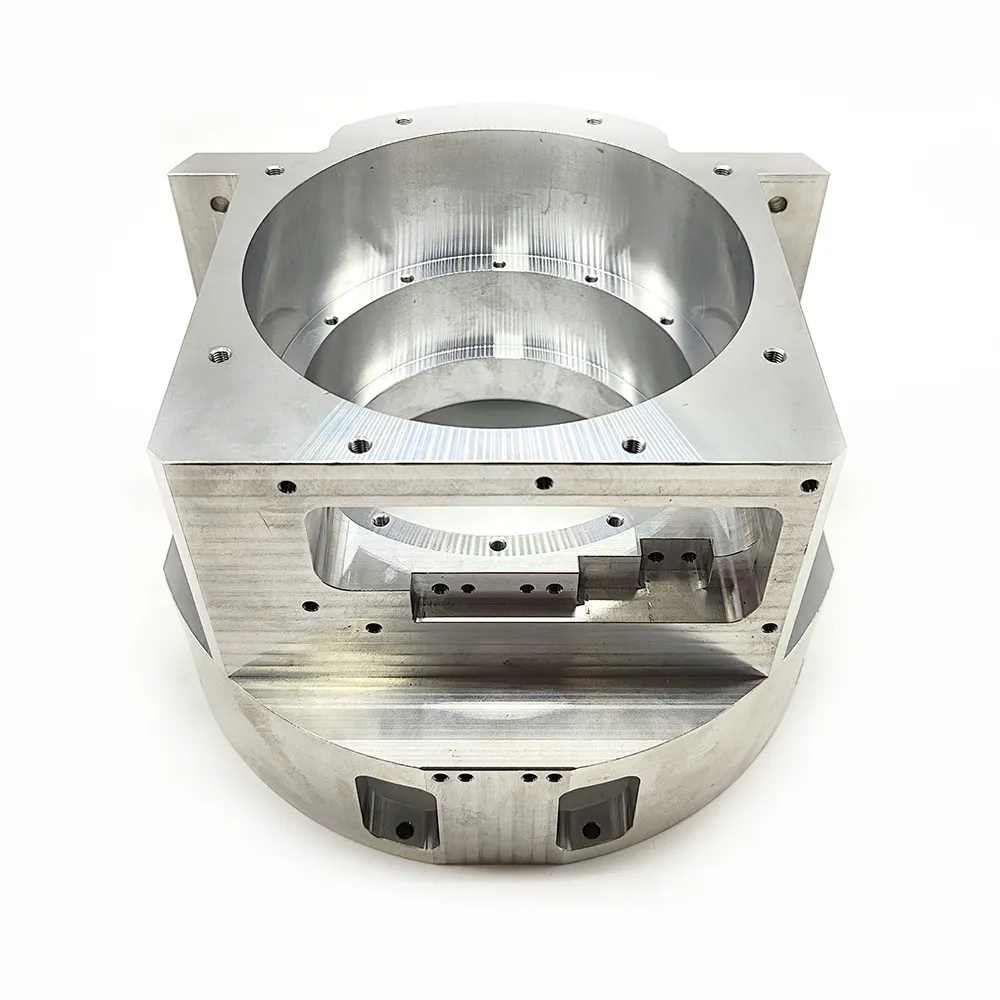
High Strength-to-Weight Ratio for Lightweight Structural Performance
Why aerospace and automotive engineers specify aluminum CNC milling parts for critical load-bearing components
When building load bearing structures, aerospace and automotive engineers often turn to aluminum CNC milling parts because cutting down on weight really boosts overall performance. For planes, saving just one kilogram can actually improve yearly fuel efficiency somewhere around 1.5 to 2 percent according to Boeing data from 2024. The benefits extend to electric vehicles too. Replacing heavier components with aluminum gives EVs approximately 15% extra range between charges. This works so well because aluminum has this incredible strength while being much lighter than alternatives. Car manufacturers need this kind of material balance to satisfy both strict efficiency standards and safety regulations at the same time.
How 6061-T6 and 7075-T6 aluminum alloys deliver optimal tensile strength (310–570 MPa) at just 30–50% the weight of steel
Precision CNC milling unlocks the full structural potential of high-performance aluminum alloys. Their balanced mechanical properties enable lightweight yet robust designs across demanding applications:
| Material | Tensile Strength | Weight vs. Steel | Key Applications |
|---|---|---|---|
| 6061-T6 Aluminum | 310 MPa | 35% | Drone frames, suspension arms |
| 7075-T6 Aluminum | 570 MPa | 30% | Aircraft wing spars, racing components |
| Mild Steel | 400 MPa | 100% | General structural use |
The 7075-T6 alloy comes pretty close to matching the tensile strength found in various types of steel, yet it's just about a third of the weight and cuts machining time down by around threefold. This means shorter wait periods and lower expenses when manufacturing parts like satellite mount components, housing units for electric motors, and all sorts of precision equipment. What makes these materials stand out is their ability to maintain shape even when subjected to continuous forces above 500 MPa. For applications where failure isn't an option, engineers often turn to these alloys because they simply won't let go when things get serious.
Superior Machinability and Lower Production Costs
Faster cutting speeds and higher material removal rates—reducing cycle time by 3–5% versus stainless steel
Because aluminum has such low density and good thermal properties, it allows for incredibly fast surface cutting speeds around 2,500 SFM. That's roughly eight times quicker than what we usually see with stainless steel at about 300 SFM. When it comes down to actual production numbers, this makes a huge difference. Material gets removed at rates 3 to 5 times higher, which cuts down on machining time significantly. Take something like an intricate aircraft bracket for example it takes just 45 minutes to mill compared to the traditional 4 hour process. What does all this mean? Faster production cycles across the board, reduced power usage since machines aren't running as long, and products reach market much quicker while still maintaining that critical level of accuracy manufacturers demand.
Extended tool life and reduced wear: aluminum’s low hardness (HB 95–150) and non-abrasive properties cut tooling costs by up to 200%
Aluminum has Brinell hardness ratings ranging from around 95 to 150 HB, and it doesn't contain those abrasive carbides or hard inclusions that really eat into cutting tools during CNC milling operations. Most shops find that carbide inserts can actually make it through over 10,000 parts before needing replacement, which is roughly three times longer than what's typical when working with stainless steel. Fewer tool changes mean less downtime, no need for extra finishing work after machining, and generally lower maintenance costs on the machines themselves. For manufacturers running high volume production lines where precision matters, aluminum consistently comes out as the most cost effective structural metal option when looking at total expenses per finished part.
Natural Corrosion Resistance and Enhanced Surface Finish Options
Aluminum parts made via CNC milling naturally resist corrosion because they form their own protective oxide layer when exposed to air. This natural shield means manufacturers often don't need to apply additional coatings or paint for many uses across industries, homes, and outdoors settings like making electronics housings or parts for heating systems. According to recent industry reports, this can save around 30 percent on finishing expenses. When working conditions get really tough though, these aluminum surfaces work great with special anodizing processes too. These treatments actually make them last longer and perform better under harsh conditions, which is why so many heavy duty applications still choose aluminum despite what some might think.
Self-passivating oxide layer eliminates need for plating or painting in most environments
The native aluminum oxide layer is just 2–3 nm thick but highly stable, reforming instantly when scratched or abraded. It provides reliable protection in humid, saline, or mildly corrosive settings—extending service life for marine hardware, outdoor sensors, and consumer electronics while avoiding environmentally regulated coating processes.
Anodizing versatility—Type II for aesthetics and Type III hard anodizing for wear- and corrosion-resistant aluminum CNC milling parts in medical and defense applications
The Type II anodizing process gives us those tough, consistent colors we see on everyday items people actually touch and handle. When it comes to really harsh environments though, Type III hard anodizing takes things up several notches. The coatings here can reach above 60 Rockwell C hardness which makes them perfect for stuff like medical implants where sterility is critical, or those precision tools used during surgery. Military equipment deployed in sandy deserts also relies heavily on this treatment because it just holds up better under extreme conditions. After being tested against salt spray for well over 1,000 hours without showing signs of failure, what we get are surfaces that resist wear while providing electrical insulation properties too. Plus they protect against rust and other forms of degradation all at once through one streamlined manufacturing step instead of multiple separate treatments.
Excellent Thermal and Electrical Conductivity for Functional Applications
Thermal management advantages: leveraging 237 W/m·K conductivity in heat sinks, EV power modules, and RF enclosures
The thermal conductivity of aluminum at around 237 W/m·K is almost three times better than stainless steel, which is why it has become the go-to choice for both active and passive thermal management solutions. When we look at CNC machined heat sinks, they work really well at pulling heat away from those power semiconductors. This helps avoid thermal throttling issues and keeps components running longer before failure occurs. For electric vehicles, aluminum housing plays a critical role in maintaining stable operating temperatures within power modules, ultimately slowing down battery degradation over time. Radio frequency enclosures also see benefits from aluminum's properties since it expands and dissipates heat uniformly across surfaces, helping maintain signal quality even when load conditions change dramatically. And let's not forget about electrical conductivity either. At approximately 61% of what copper offers, aluminum still allows engineers to design multifunctional parts like integrated busbars or shielded enclosures where both thermal management and electrical performance need to work together in tight spaces with high reliability requirements.

