
 EN
EN
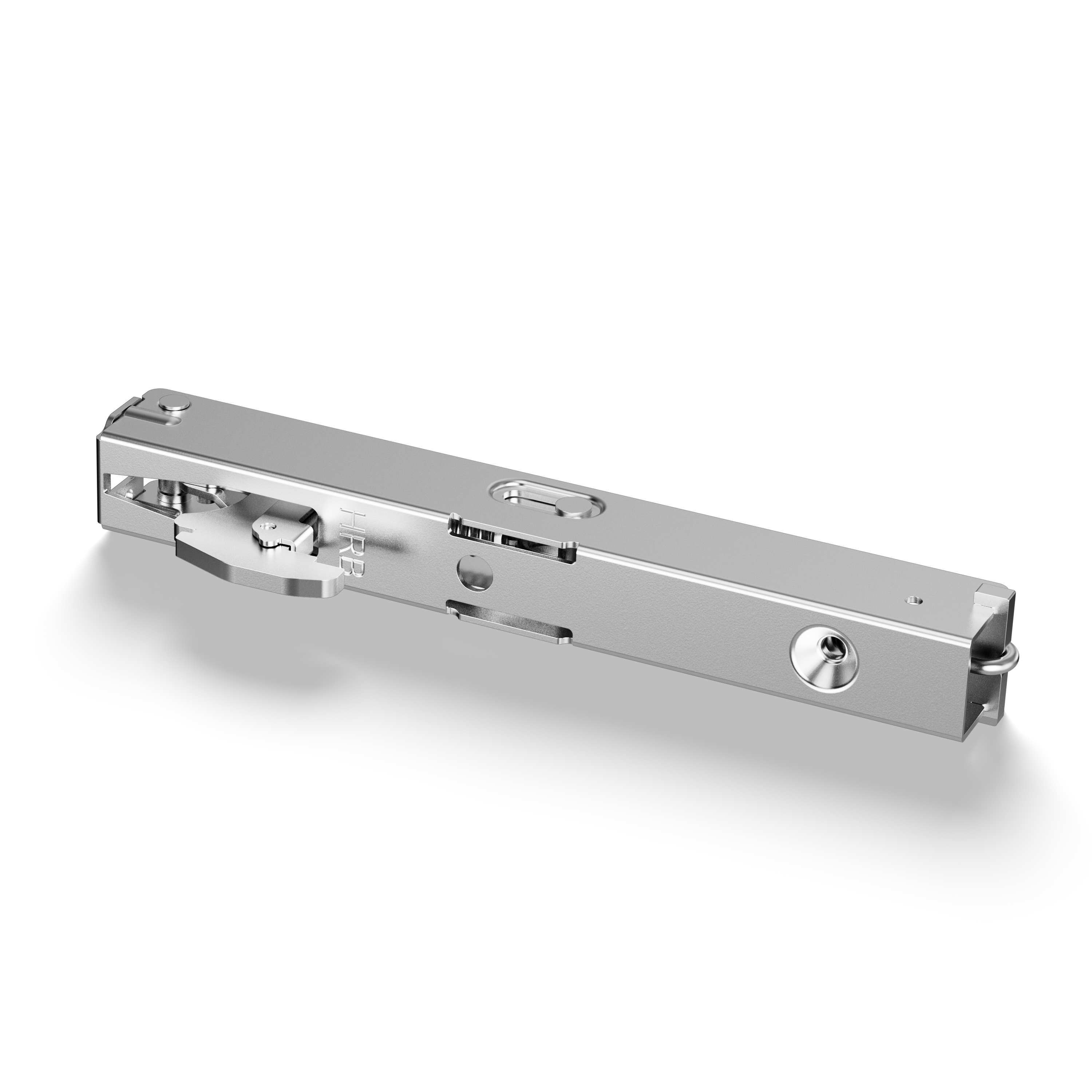
Prioritize Material Integrity and Food-Grade Corrosion Resistance
Why Stainless Steel 304 and 316 Are Essential for Commercial Oven Hinges
For commercial oven hinges, stainless steel grades 304 and 316 simply can't be beat when it comes to resisting corrosion and meeting food safety requirements. Grade 304 holds up well against organic acids and regular air exposure. But when kitchens get really tough on materials, especially with those strong alkaline cleaners that hit pH levels around 12 to 14, grade 316 becomes the better choice thanks to its molybdenum content which fights off chloride damage. These materials pass all the important regulatory tests including FDA guidelines, EU Framework Regulation EC 1935/2004, and NSF ANSI 51 standards, so there's no worry about metals leaching into food products. Plus, their smooth surfaces don't trap bacteria like rougher materials do, making cleaning easier and reducing the chances of contamination during food preparation.
Validating Corrosion Resistance: ASTM A967, ISO 9223, and Real-Kitchen Performance Data
Corrosion validation goes beyond material selection—-it demands rigorous, multi-layered testing. Reputable manufacturers demonstrate performance through:
- Accelerated lab tests: Salt spray exposure per ASTM B117 and passivation per ASTM A967, simulating over five years of service in 500-hour cycles.
- Real-world benchmarking: ISO 9223 corrosivity mapping in live commercial kitchens, tracking hinge integrity under thermal cycling above 250°C and repeated chemical exposure.
Field data from high-volume bakeries confirms 316 stainless steel hinges retain full functionality after three years in 90% humidity with weekly caustic cleanings—-outlasting alternatives by 200% in service life.
Demand Proven Mechanical Reliability Under Thermal and Load Stress
50,000+ Cycle Endurance Testing: Static vs. Dynamic Load Validation for Heavy-Duty Ovens
We test durability by running over 50,000 cycles using two different approaches. For static testing, we check how much weight the hinge can hold when it's not moving, which matters a lot for things like stacking baking sheets in an oven. Then there's dynamic testing where we simulate all those door openings and closings while heating them up past 250 degrees Celsius. This shows us weak spots that just wouldn't appear if we only did one type of test. The combination works really well for commercial kitchen environments where hinges get used constantly day after day. Our accelerated life tests have shown that parts which pass both kinds of testing fail about 63 percent less often than ones that only go through one method.
Critical Design Features: Pin Retention, Self-Lubricating Bearings, and Thermal Expansion Compensation
What keeps mechanical systems from failing? Let's look at three main design elements. First, captive pin retention stops parts from coming loose even when subjected to harsh cleaning procedures. Second, self lubricating bearings allow for smooth movement without needing constant greasing. Third, there are those special thermal expansion slots engineered with precision to handle how metals change shape under extreme heat conditions. These slots stop binding issues that actually cause around three quarters of all hinge problems we see in commercial environments. When combined, these innovations significantly boost the lifespan of equipment past what most industries consider standard performance levels. This matters a lot for industrial applications where machines face far greater wear and tear than typical household appliances do. The stress cycles in these settings can be over four times higher than what residential products experience on a daily basis.
Confirm Environmental Resilience Across Operational Extremes
Sustained 250°C+ Operation and Resistance to pH 12–14 Alkaline Cleaners
The hinges on commercial ovens need to hold up when temperatures stay above 250 degrees Celsius for long periods, which is around 482 degrees Fahrenheit. At this heat level, cheaper metals tend to bend out of shape or start rusting pretty fast. These same hinges also get hit every day by strong cleaning agents with pH levels between 12 and 14. Such harsh chemicals eat away at regular protective layers in just a few weeks time. The MIL-STD-810H standards from 2024 put these components through rigorous tests to make sure they can survive years of going through extreme temperature changes and constant contact with corrosive substances. This kind of durability testing gives manufacturers confidence their products will last in real world conditions.
Stainless steel 316L gets chosen a lot because it stands up better to those pesky pits caused by chlorides in cleaning solutions, thanks to molybdenum being part of its makeup. The ASTM A967 passivation certificate from third parties actually proves how resistant this material is to corrosion. We've seen plenty of evidence from actual industrial kitchens where these hinges keep working fine for at least five years even after facing daily hot washes. There's also something called thermal expansion compensation built right in, which stops them from getting stuck when temperatures change quickly. Think about those self-cleaning ovens that heat up to around 500 degrees Celsius. Despite all that heat fluctuation, the hinges continue to operate smoothly without any issues.
Evaluate the Commercial Oven Hinge Manufacturer’s Capabilities Holistically
Customization Agility, ISO 9001 Quality Systems, and Local Production Advantages
Finding a good commercial oven hinge manufacturer goes beyond looking at what's in their catalog. The best ones actually understand the technical side of things deeply. They can customize parts for different cavity sizes, apply special coatings like nickel plating when dealing with super aggressive environments (think pH levels all the way up to 14), and handle weights over 200kg without breaking a sweat. This kind of flexibility saves money on redesigning ovens later and gets prototypes out the door faster. And don't even think about working with anyone who isn't ISO 9001 certified. According to a study published in the Quality Management Journal back in 2023, companies with this certification see about 40% fewer defects in their thermal components. That means proper documentation throughout the whole process from sourcing alloys to heat treatment right down to quality checks at the end.
| Regional Advantage | Overseas Alternative | Impact on Oven Production |
|---|---|---|
| 3–4 week lead times | 10–12 week shipping | Prevents assembly line delays |
| MOQs of 100 units | 500+ unit batches | Reduces inventory costs by 28% |
| Real-time engineering support | 12+ hour communication gaps | Accelerates design iterations |
When it comes to manufacturing locations, being close really does make a difference. Factories in North America and Europe can react much faster when specifications change, plus they slash shipping related carbon emissions by around 62% according to Logistics Quarterly from last year. Regional plants tend to handle those smaller runs of specialty commercial convection ovens better than larger operations. They keep things running smoothly with tighter metal specs thanks to their automated quality checks. Putting all these elements together makes for more reliable ovens over time and helps companies save money in the long run without compromising on quality standards.
Frequently Asked Questions
What are the benefits of using stainless steel 304 and 316 for commercial oven hinges?
Stainless steel 304 and 316 offer excellent corrosion resistance and meet food safety requirements. They are durable, do not leach metals into food, and have smooth surfaces that reduce bacterial contamination.
How is corrosion resistance validated for oven hinges?
Corrosion resistance is validated through accelerated lab tests like salt spray exposure and passivation, as well as real-world ISO 9223 corrosivity mapping in live commercial kitchens.
Why is it important to validate both static and dynamic load for hinges?
Validating both static and dynamic loads ensures that hinges can withstand constant use and the weight of stacked baking sheets, saving on failures and reducing maintenance and replacement costs.
How do manufacturers confirm the reliability of commercial oven hinges?
Manufacturers confirm reliability through rigorous durability testing, design enhancements like self-lubricating bearings, and adherence to quality certifications such as ISO 9001.
What are the advantages of local manufacturing for commercial oven hinges?
Local manufacturing offers shorter lead times, reduced carbon emissions, real-time engineering support, and can handle smaller production runs efficiently.
Table of Contents
- Prioritize Material Integrity and Food-Grade Corrosion Resistance
- Demand Proven Mechanical Reliability Under Thermal and Load Stress
- Confirm Environmental Resilience Across Operational Extremes
- Evaluate the Commercial Oven Hinge Manufacturer’s Capabilities Holistically
-
Frequently Asked Questions
- What are the benefits of using stainless steel 304 and 316 for commercial oven hinges?
- How is corrosion resistance validated for oven hinges?
- Why is it important to validate both static and dynamic load for hinges?
- How do manufacturers confirm the reliability of commercial oven hinges?
- What are the advantages of local manufacturing for commercial oven hinges?

